Pitcairn Island: a Homecoming
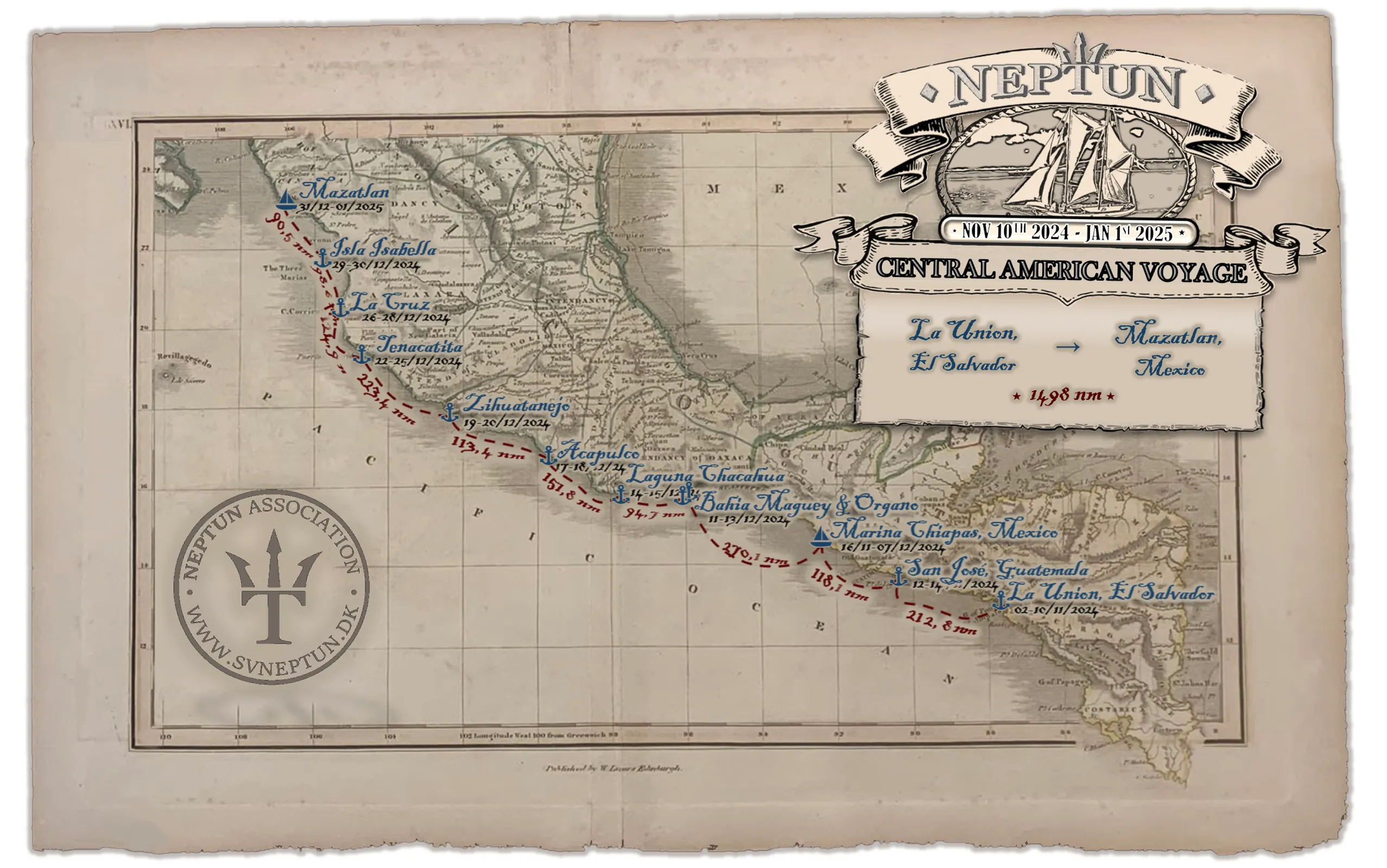
By Victoria Hardy (ship's cook) In the dark hours just before sunrise, Neptun arrived at the infamously perilous anchorage of Pitcairn Island. There is no port and no harbor – only one side of the island that is slightly more protected f…
By Victoria Hardy (ship’s cook)
In the dark hours just before sunrise, Neptun arrived at the infamously perilous anchorage of Pitcairn Island. There is no port and no harbor – only one side of the island that is slightly more protected from the wind than the open ocean. Which side that may be is subject to the whims of changing wind directions. The only way ashore is for the islanders to come out and ferry the crew in to the single landing spot. This inaccesibility is integral to the history of the island. First, we must travel back in time to 1788, when Captain William Bligh set sail from England with HMS Bounty on a mission to collect breadfruit plants from Tahiti and deliver them to the Jamaican sugar plantations. As a nutritious, carbohydrate-dense fruit born from hardy trees that require very little labor, it was hoped that this would be a solution to the shortage of food for the slaves. However, the Bounty never made it to the Caribbean.
Inspired by the heavenly delights of the Tahitian lifestyle (and Bligh’s nasty temper), 19 of the crew mutinied. Taking control of the Bounty and setting Bligh adrift in a long boat with the barest of provisions, they now had to solve the problem of evading British justice. The answer: Pitcairn Island. Even if they were someday located, the island’s steep cliffs and relentlessly crashing waves would serve as a natural defense.
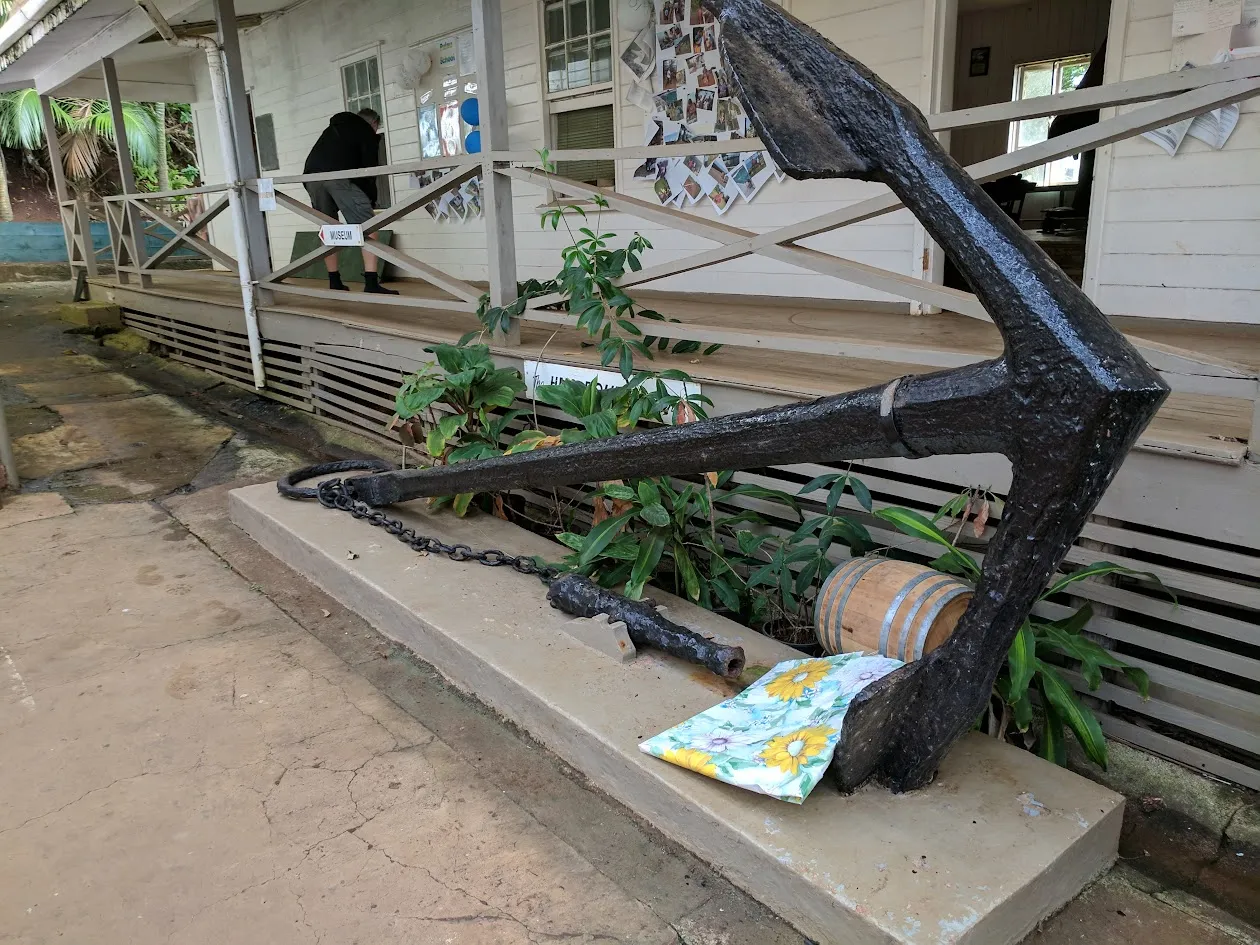
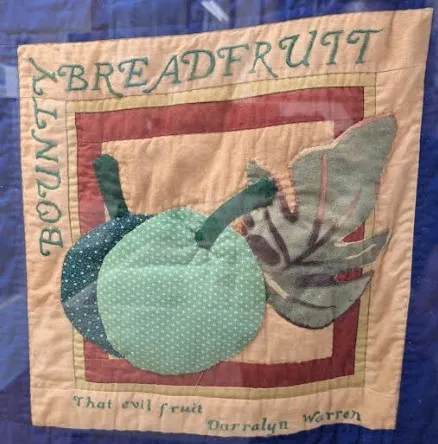
Today there are about 50 permanent residents of this remote island, and almost all of them can trace their ancestry back to the original mutineers and their Tahitian wives. In 1957, Captain Irving Johnson and the Brigantine Yankee visited Pitcairn on one of their many circumnavigations, and helped the locals retrieve the sunken anchor of the Bounty, now on display in the town square. Twenty years later, a former Yankee crew member, Captain Art Kimberly, returned to Pitcairn with his own brigantine: the Romance.
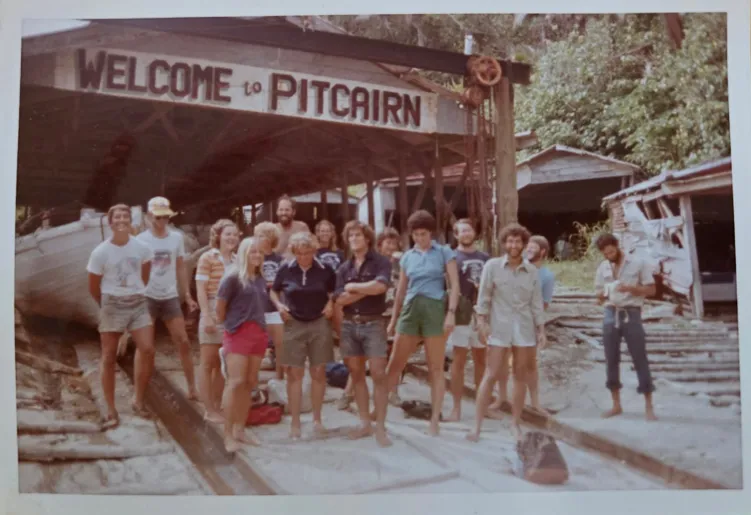
The Romance crew at Pitcairn circa 1979
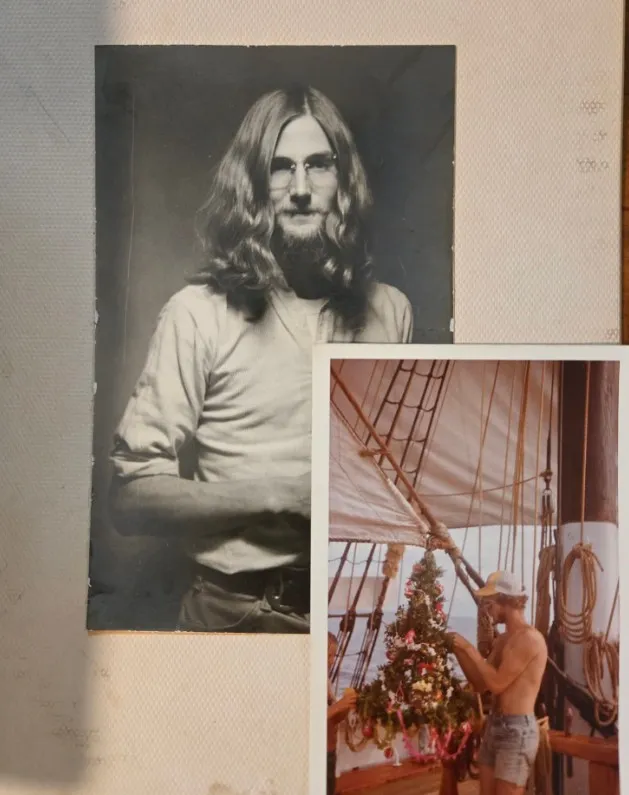
Captain Bert Rogers, Christmas on the Romance
Handcarving figures from miro wood has long been an important part of Pitcairn culture; during their visit, the Romance accompanied a group of islanders to uninhabited Henderson Island to bring back some of this valuable and beautiful carving material. They lived and worked together for weeks. One of the Romance crew, Bert Rogers, wrote a letter home to his mom about the incredible hospitality and feeling of family that he found on Pitcairn. He wrote that he would certainly return, and maybe even settle there. His description of the island rang true for us as well: “a beautiful rock challenging its way up a thousand feet out of the sea, rough and sheer and steep and green – lush and dramatic. What a beautiful place. Filled with the most wonderful people I have ever met. People who brave the incredible roaring boat smashing surf to go in and out of Bounty Bay, and do it matter-of-factly…People who exhibit such love and sharing – open-heartedness, such strength of goodness is the norm, its absolutely thrilling.”
Another Romance alumnus might be a familiar name to those in the sail training community: Captain Dan Moreland of the Picton Castle. Picton Castle has carried on the tall ships legacy of close ties with Pitcairn; our captain Anders Bischoff and chief mate James Rogers visited the island with Picton seven years ago. James’s father (and my stepfather) Bert never made it back to Pitcairn while he was still alive, but we brought his ashes and gave them a permanent home there. With the help of the great-grandkids of the Pitcairn couple Bert lived with and called his second family in his letter home, James and I planted a tau tree and a miro tree with our dad’s cremains. Growing up hearing his stories about the three years he spent on the Romance is what inspired both of us to follow his footsteps, and the reason we are both here today.
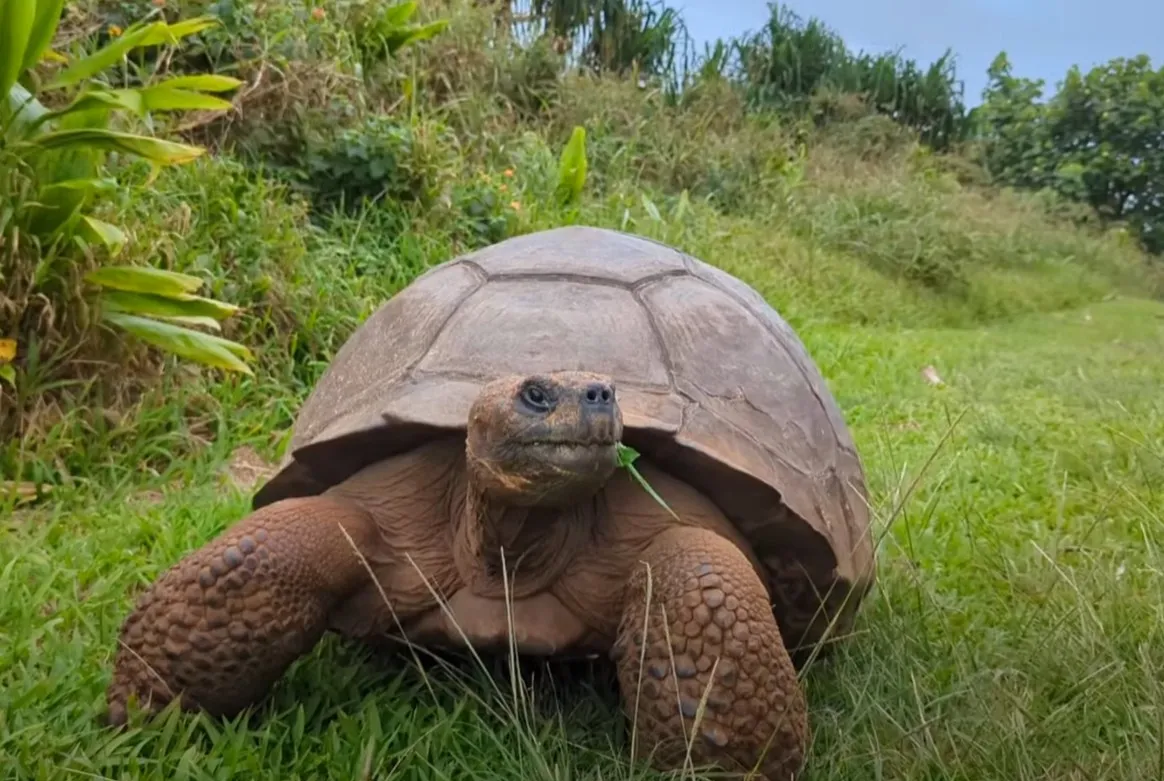
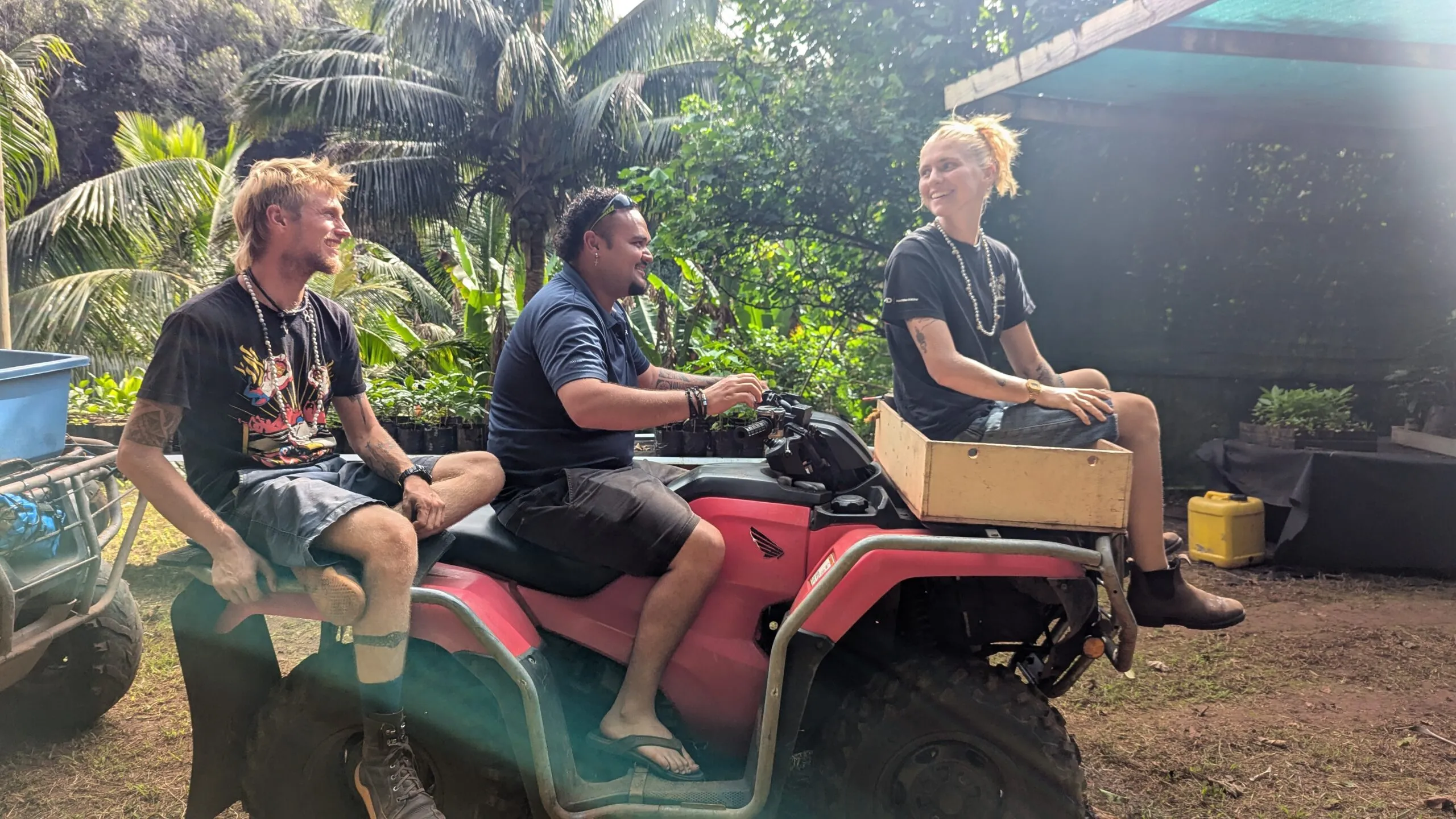
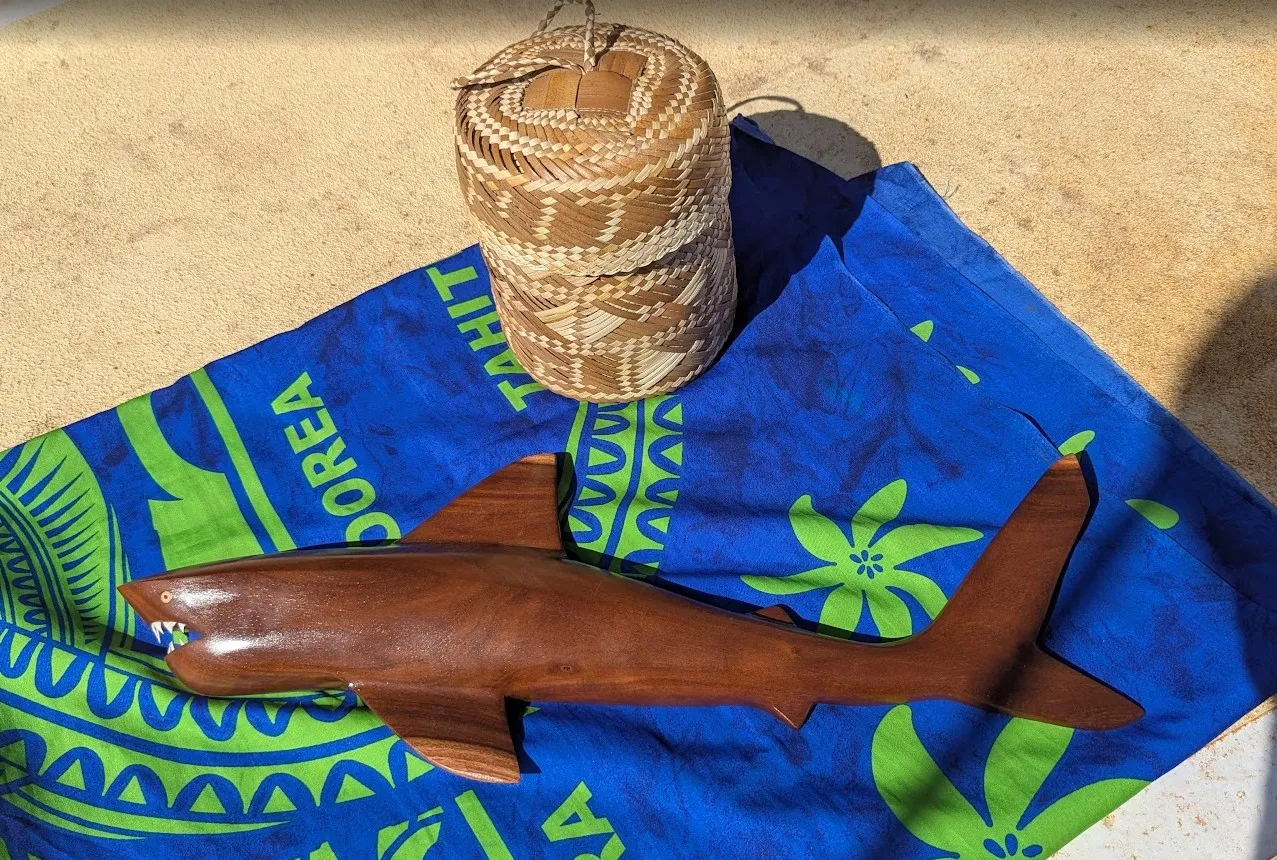
In addition to facilitating that memorial, our Pitcairn friends lived up to dad’s description of their hospitality. Specially for our visit, a market of local artisans opened up, selling hand-woven baskets, wood-carvings, and the exceptional Pitcairn honey. A fleet of islanders on ATVs took our group all over the island: swimming in Saint Paul’s pool, hunting for the island’s oldest resident, Mrs. T – a Galapagos tortoise brought by Irving Johnson, and harvesting breadfruit the Pitcairn way (with a rifle). Along the way, we picked ripe fruit off the plentiful trees: tangerines, star fruit, papaya, guava, pomelos, and more. The second shore party had the good fortune to participate in a community jam session and found the farewell song, Sweet By and By, that had elicited so many tears from the Romance crew was still just as effective today.
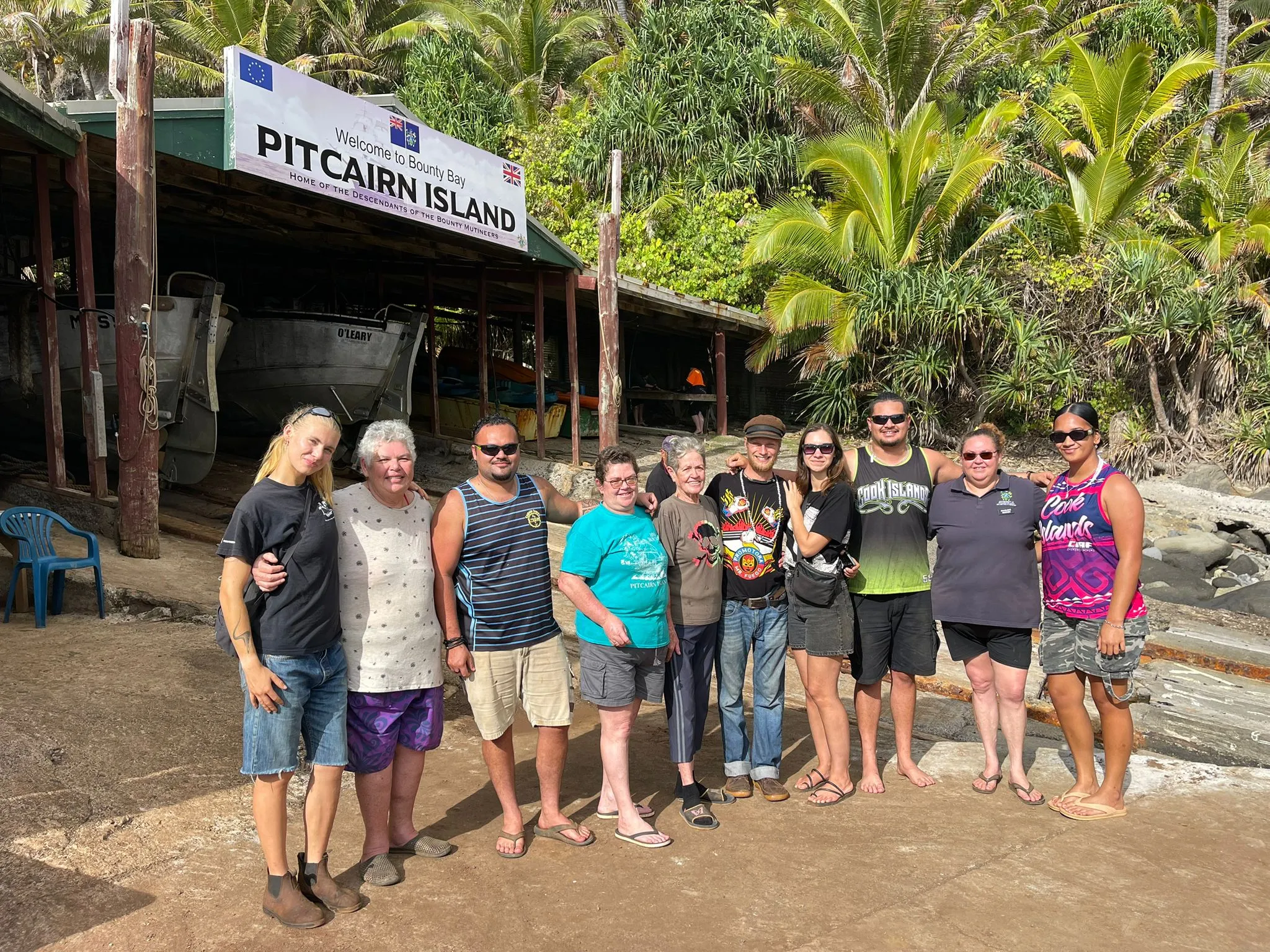
Our visit was cut tragically short when we were reminded just how precarious our position was. At 2:30 in the morning on July 14th, the wind picked up, and soon after the anchor alarm started blaring. By 5:30am the chief mate called for all hands: the anchor was dragging and the seven of us onboard would have to haul it up. For more than two hours we labored on the winch. Just as our aching muscles felt ready to give out and see Neptun dashed on the rocks, reinforcements arrived. Amidst riotous waves, the steadfast Pitcairners delivered our remaining crew to help us get to a safer location, and the only casualty of the morning was a few heads of cabbage. That evening we heaved the anchor up for the second time in twelve hours and got underway for our next port of call: Rikitea, Mangareva.
Want to step ashore where the Bounty mutineers landed?
Pitcairn is reachable only by small crew under sail, the way it was first reached two centuries ago. NEPTUN’s world voyage keeps calling at the islands the airlines forget.