Volcanic Vanuatu
By Victoria Hardy (ship's cook) Tanna The morning after we arrived at the remote island nation of Vanuatu (formerly called The New Hebrides), we awoke to a fine layer of volcanic ash covering the ship, evidence of Mount Yasur's frequent…
By Victoria Hardy (ship’s cook)
Tanna
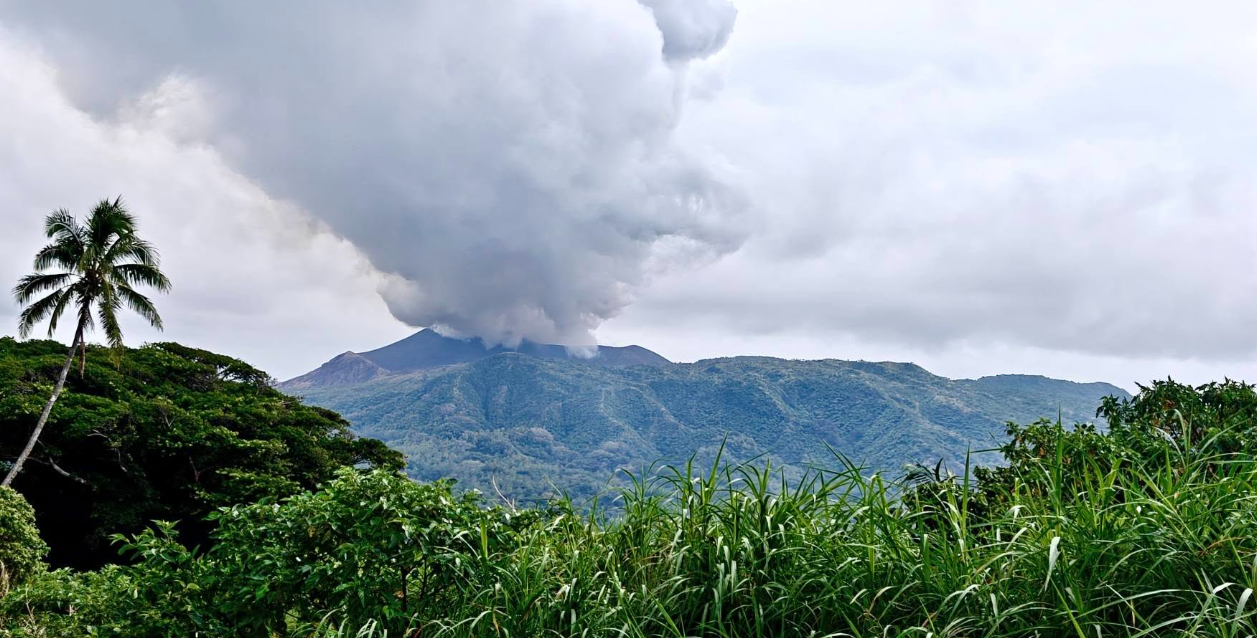
The morning after we arrived at the remote island nation of Vanuatu (formerly called The New Hebrides), we awoke to a fine layer of volcanic ash covering the ship, evidence of Mount Yasur’s frequent eruptions. Since it was Sunday, we had to wait until the next day to get cleared into the country. We had a crew meeting to discuss the plans for the rest of the voyage and a cozy dinner in the salon while it rained on deck. The next afternoon, we were finally able to go ashore amidst torrential downpours that flooded out one of the major roads on the island. By dark, all the shops and restaurants were closed, leaving us to seek refuge in a kava bar. It was little more than bare walls and a tin roof, and we waded in through ankle deep puddles to sit on the low plank benches around the room. From behind the counter, a man served kava in small plastic bowls while the single bare lightbulb flickered in and out. Kava is the ubiquitous South Pacific ceremonial (or post-work relaxation) drink made from pounding kava root into a pulp, and Vanuatu has a reputation for producing some of the strongest kava in the world. My crewmates’ reactions certainly appeared to confirm that!
Anchor Away
We had just finished breakfast on the second morning, and we were all ready to go ashore for the full day tour we had booked when suddenly…the anchor alarm started beeping. The alarm lets us know when we are dragging anchor, and most of the time the issue can be fixed by making an adjustment to our anchor circle on the computer. Not this time. A muster was called. The anchor chain had broken and we were drifting out to sea. Within seconds, the engine startup procedure was initiated and sails were set. The remaining anchor chain was hauled up. Our spare anchor was retrieved from the aft peak and deployed. Local divers were contacted, and they arrived several hours later. Even with sweaty palms and pounding hearts, the crew’s response was admirable. Everyone stayed calm and quickly performed the jobs that needed to be done. Several hours underwater later, our anchor was located, and the divers discovered that our chain had been wrapped around a previously undiscovered sunken boat.
The anchor recovery team
With our tour re-booked, we visited a coffee farm before heading off to the hot springs at the base of the volcano. The truck drove across a stark landscape of black ash dunes and a riverbed which carved through a canyon to arrive at the mouth of a steaming river where it meets the sea. When the water got too hot, we ran into the ocean waves to cool off. Just before sunset, we headed up to the volcano mouth. Looking down, we could see the red glow of lava partially obscured by mist, and hear frequent booming rumbles like thunder. As the sky grew darker, we were rewarded with a show of glowing rocks exploding upwards. The guide warned us not to run if the rocks reached our vantage point – to wait and see where the rocks would land before moving slowly out of their path.
Banam Bay
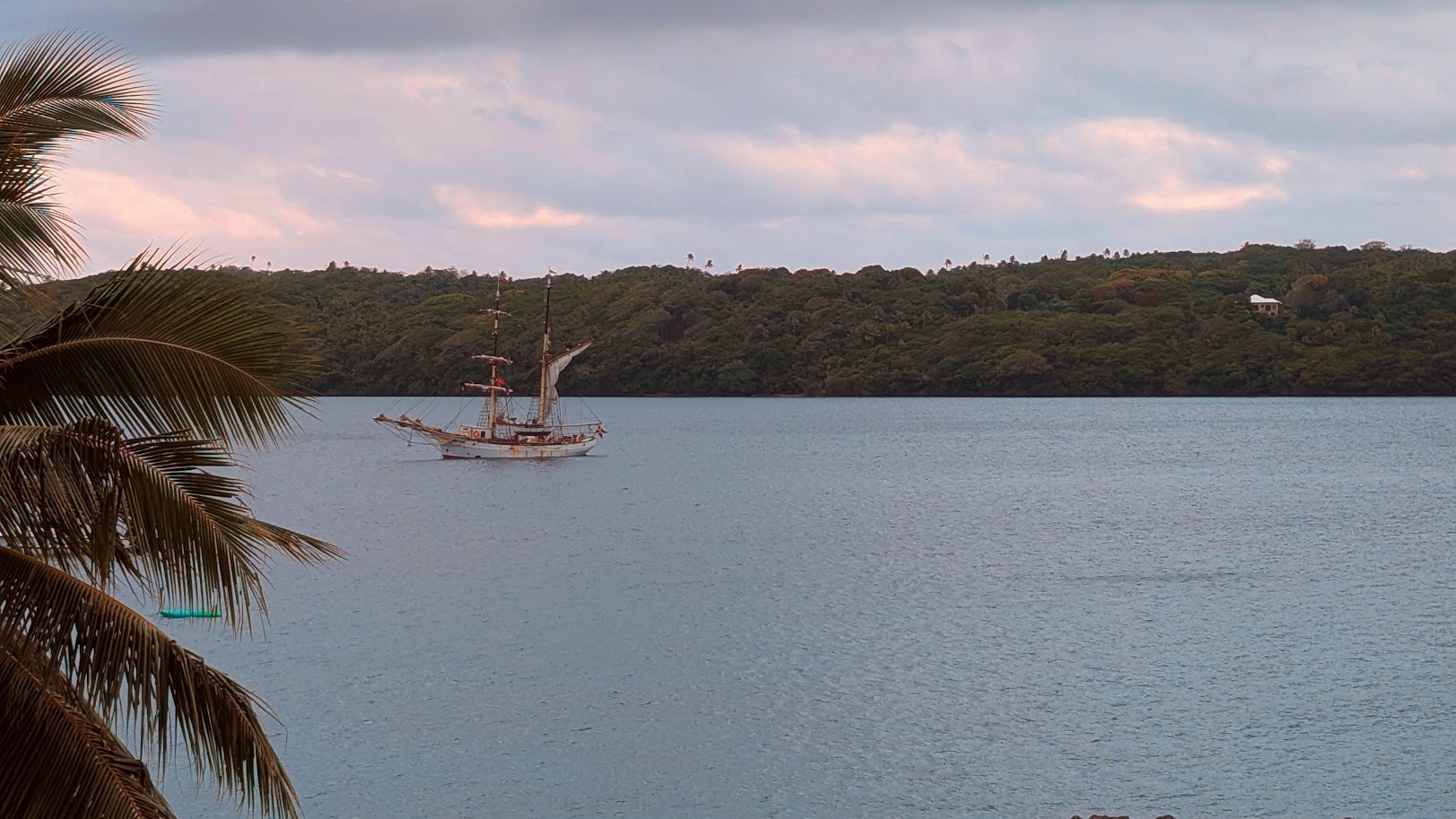
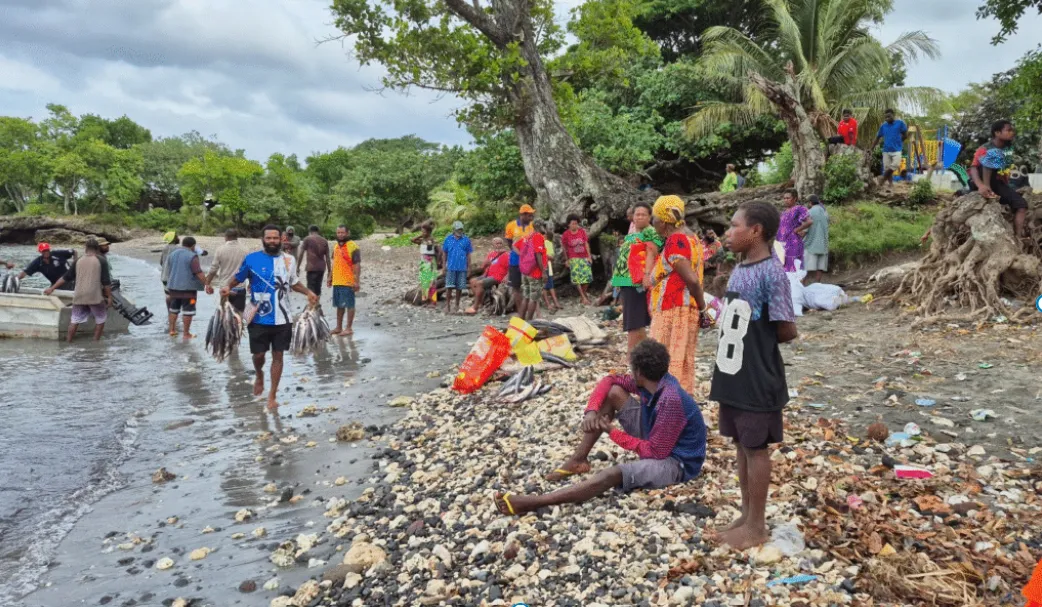
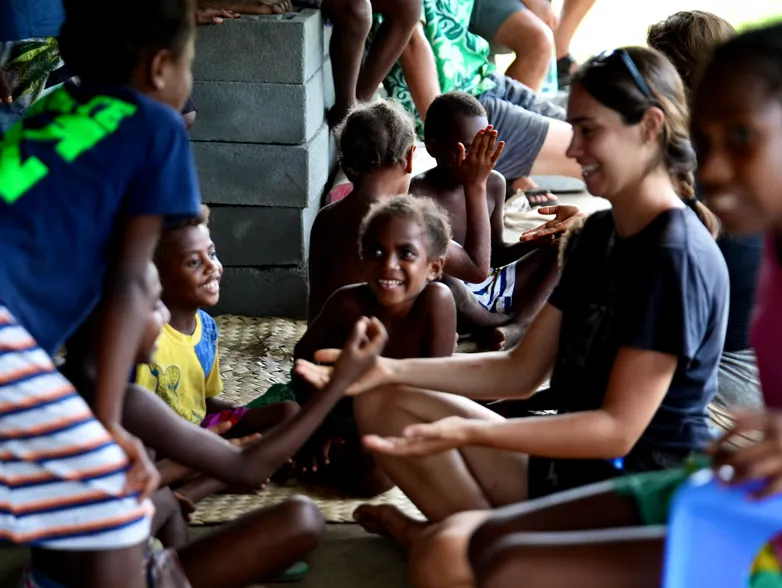
A short day sail brought us to the island of Malekula, and we anchored in Banam Bay. Captain Anders went ashore looking for the chief that hosted the Picton Castle crew when they visited seven years ago. He returned an hour later with Chief Dickson, and a few other men from the village. Two more boatloads of curious locals came out and suddenly we were having a party. We quickly cooked up a huge batch of banana pancakes and popcorn and showed our new friends around the ship. Dickson invited us back to his village, where hordes of gleeful children played games with us, braided our hair, and led us around on tours. When the kids saw how delighted I was with a newborn puppy, they ran to find his two siblings and deposited them in my lap as well.
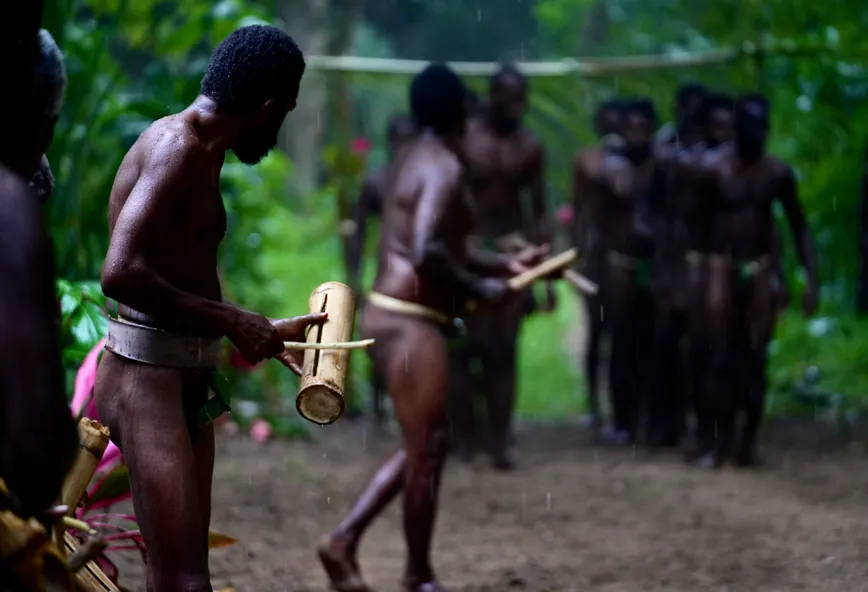
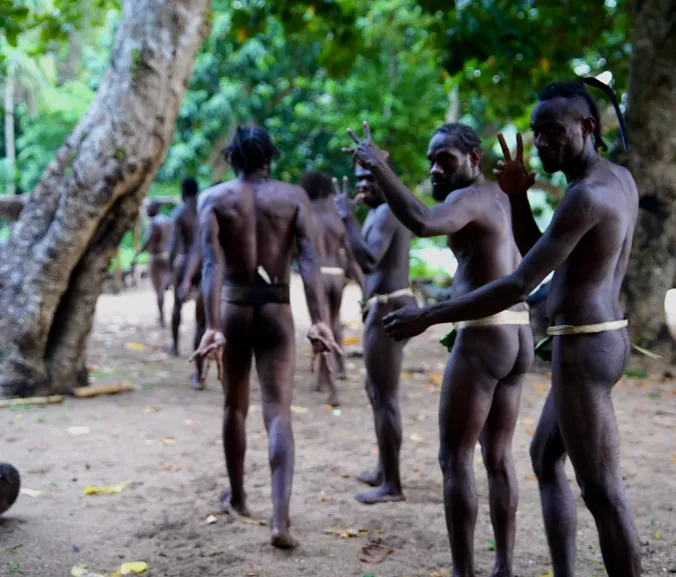
For the rest of the day, we helped put the siding up on a new house and then watched the men of the village perform a kastom dance. A small band of older men played bamboo slit drums, or tam tams while the younger men demonstrated the choreography that they perform for major life events such as weddings, funerals, and circumcisions. All of the performers were clothed in a single banana leaf wrapped around the penis with the end tucked into a waistband, leaving everything else exposed. These sheath-like nambas differentiate between the two categories of tribes on the island: there are big nambas tribes and small nambas tribes, and they do not get along.
Morning Market
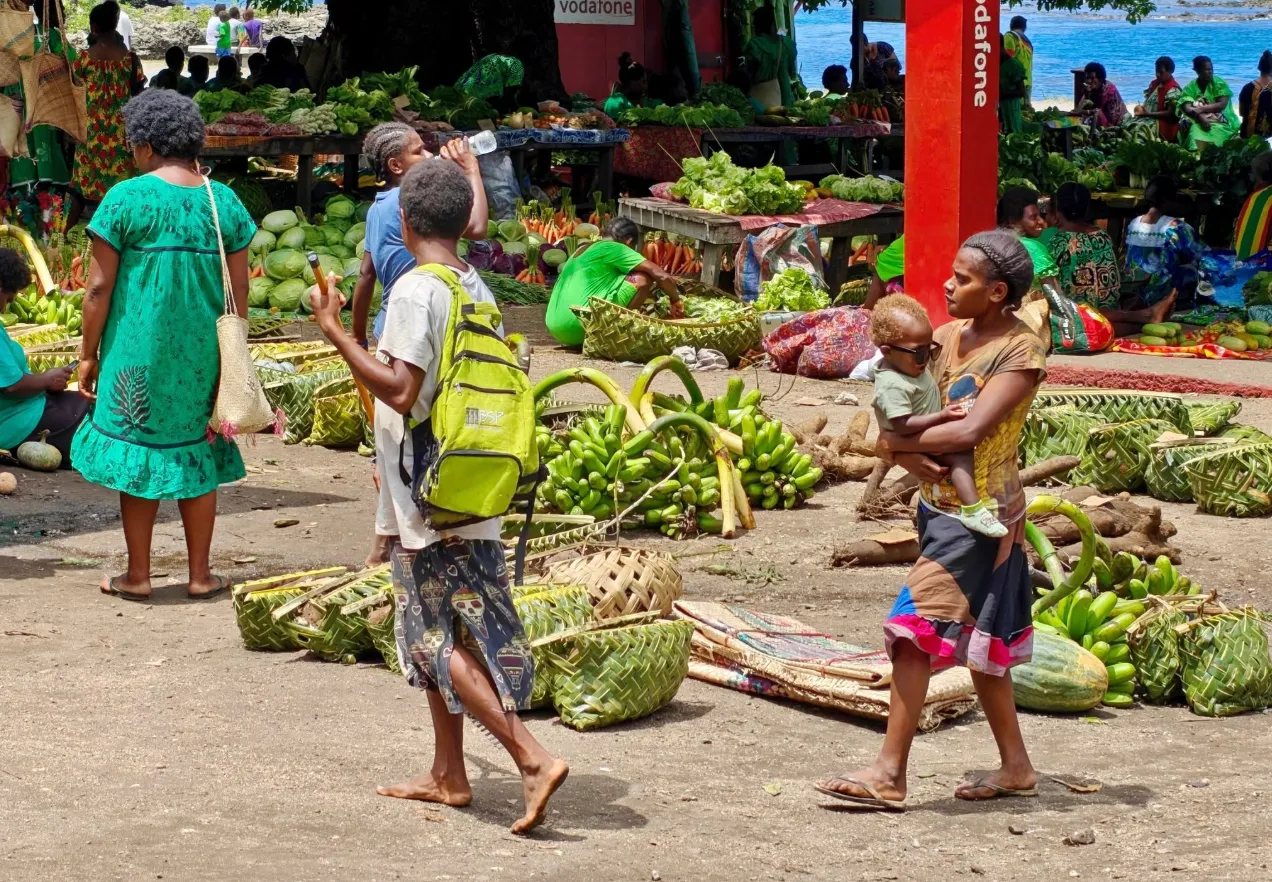
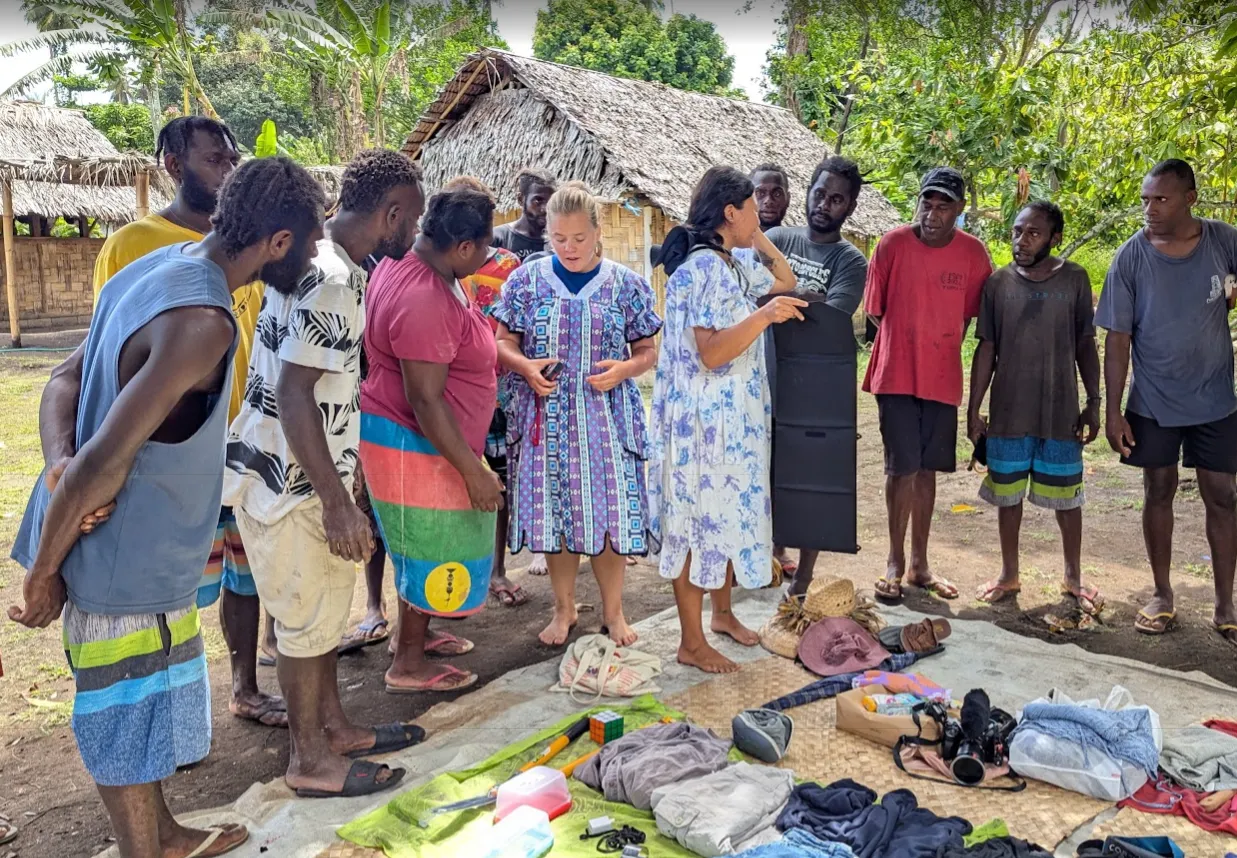
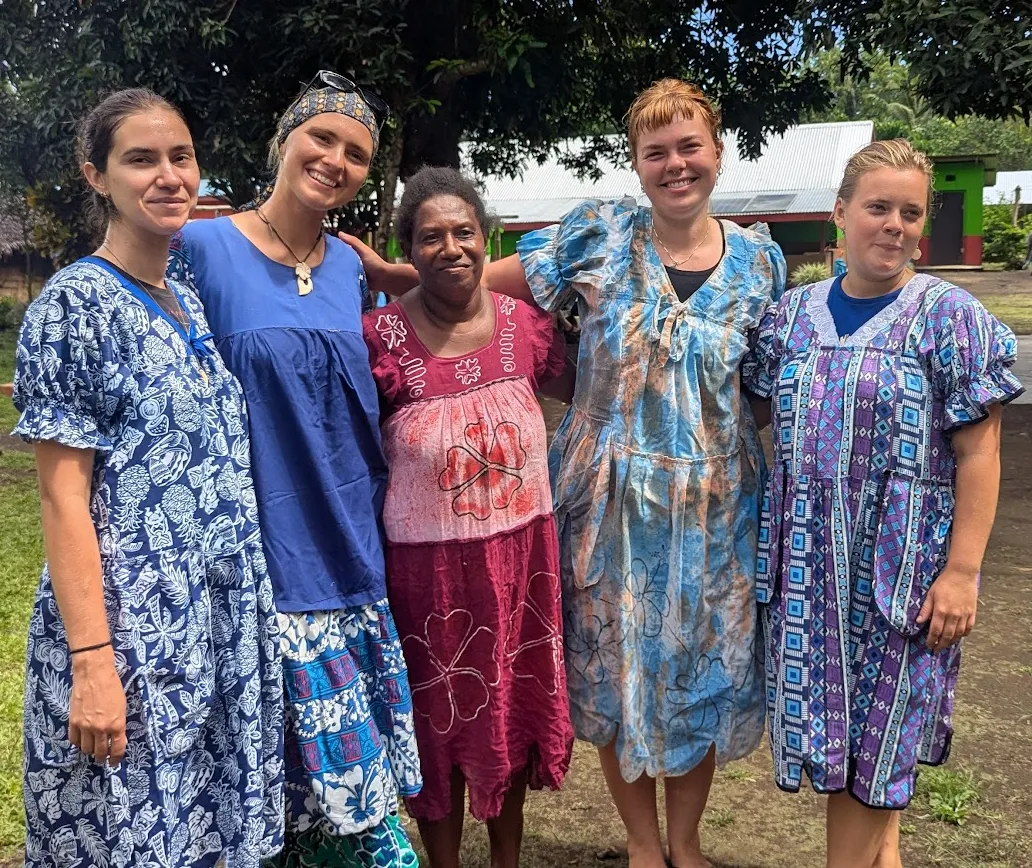
As soon as we arrived at the village on the second day, Dickson’s wife outfitted all the girls in dresses that she had made. We had to be properly attired for the trading day. Everyone from the ship brought things that we were willing to part with and displayed them in the village square, while the villagers displayed their own items on mats next to us. At a word from the chief, all pandemonium broke loose. In exchange for our clothing, tools, canned goods, and one extra large pot, we received giant conch and nautilus shells, woven fans, and a variety of fruits, vegetables, and nuts. I traded sewing needles and two pairs of shorts for a handful of spotted cowrie shells, two boar tusks, and several long green vegetables that I had never seen before, called snake beans by the locals.
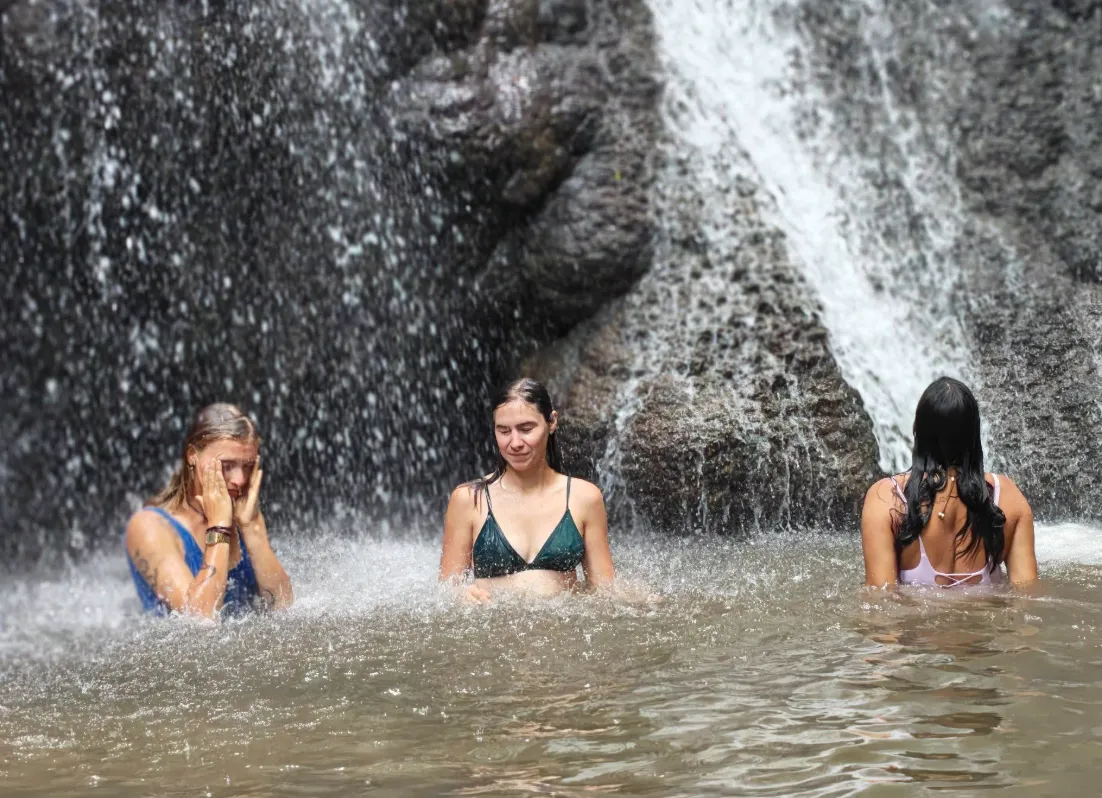
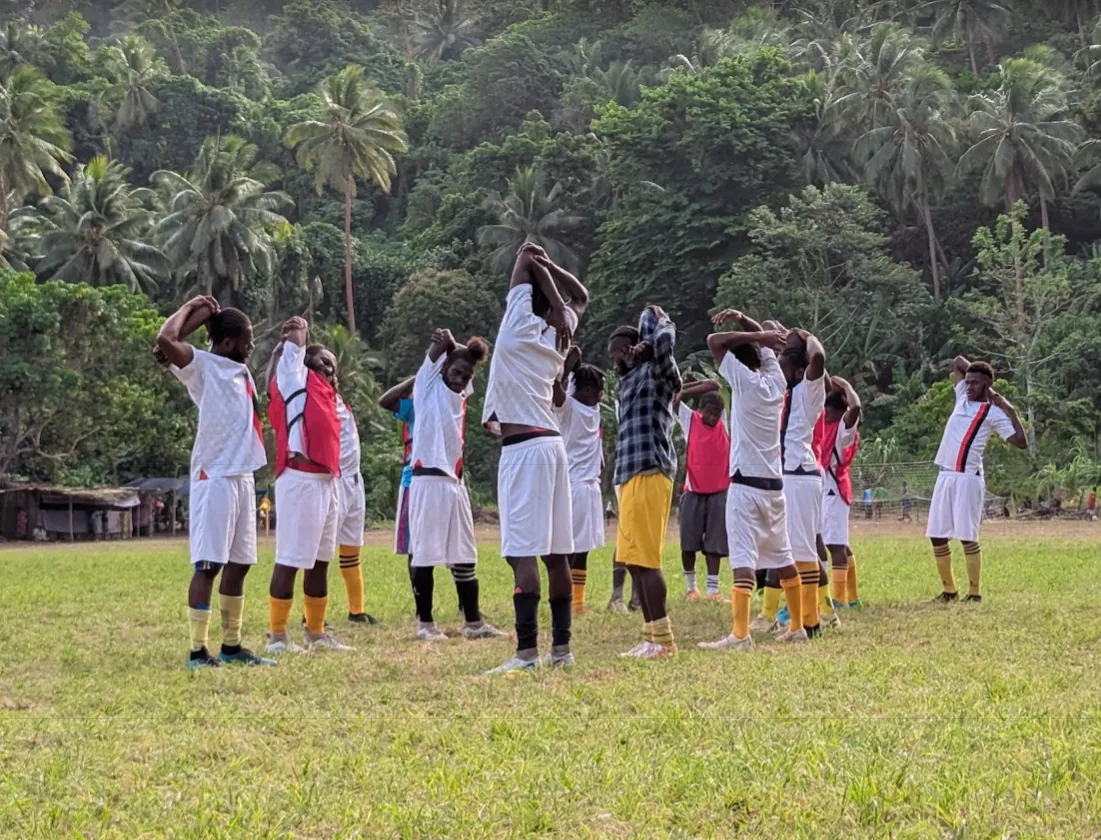
Once we had nothing left to trade, we ventured out of the village on a short hike into the bush. It may not have been far, but in the blazing equatorial heat, we were soon red-faced and dripping sweat. Perfect conditions to arrive at a fresh water stream and waterfall! We swam in the small pool of chilly water and enjoyed the rare sensation of being truly clean. Later in the afternoon we all piled into a pickup truck that delivered us to a soccer field. There was an important match, one team had even flown in from the island of Ambrym. It seemed like the entire population of Malekula was in the audience surrounding the field. Vendors sold fresh donuts with hot tea and small palm leaf plates of rice, taro, and chicken. I can’t tell you much about the game itself, as I took the opportunity for a mid-day nap, but it was a fun way to participate in a favorite local pastime.
Luganville
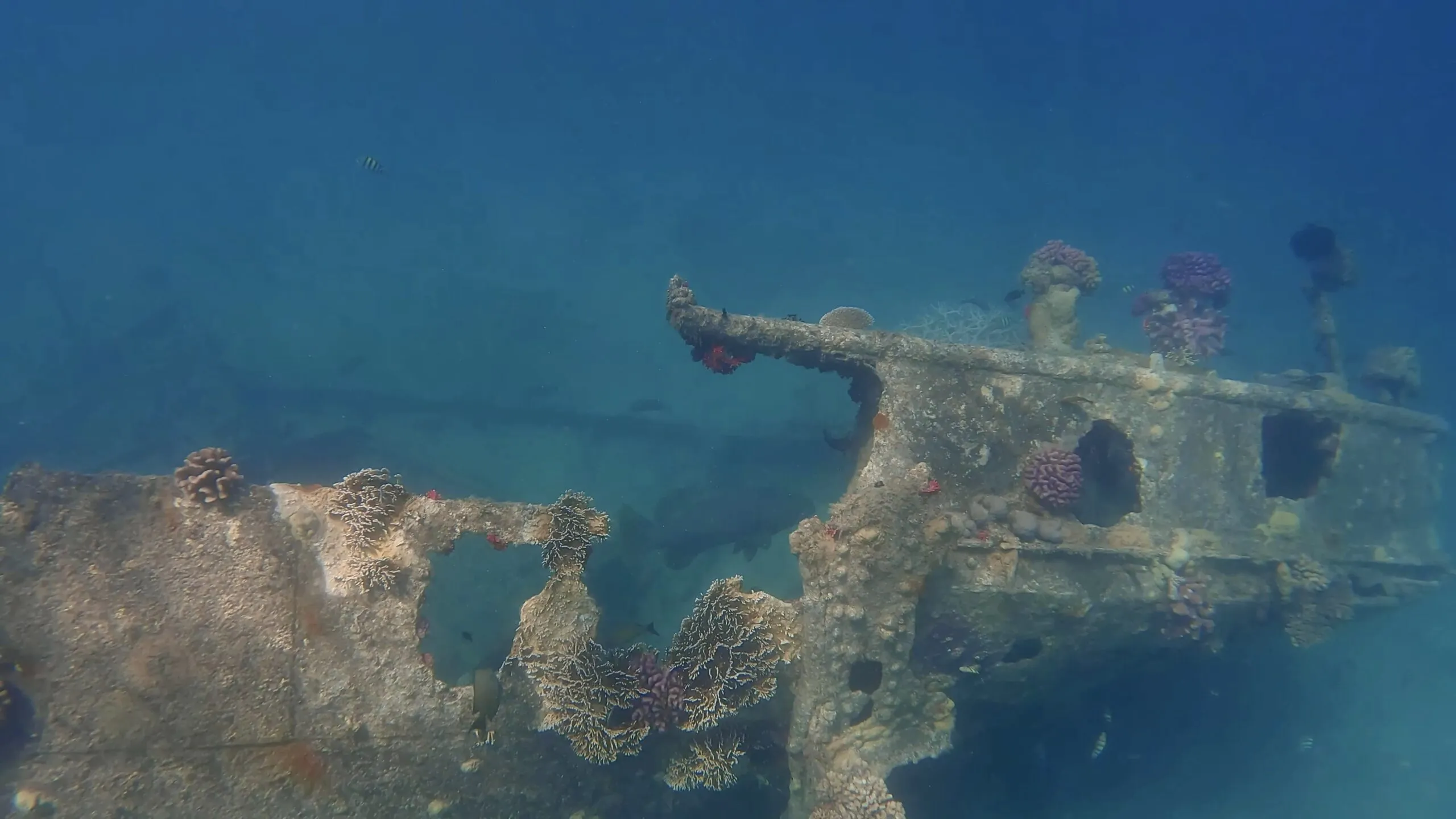
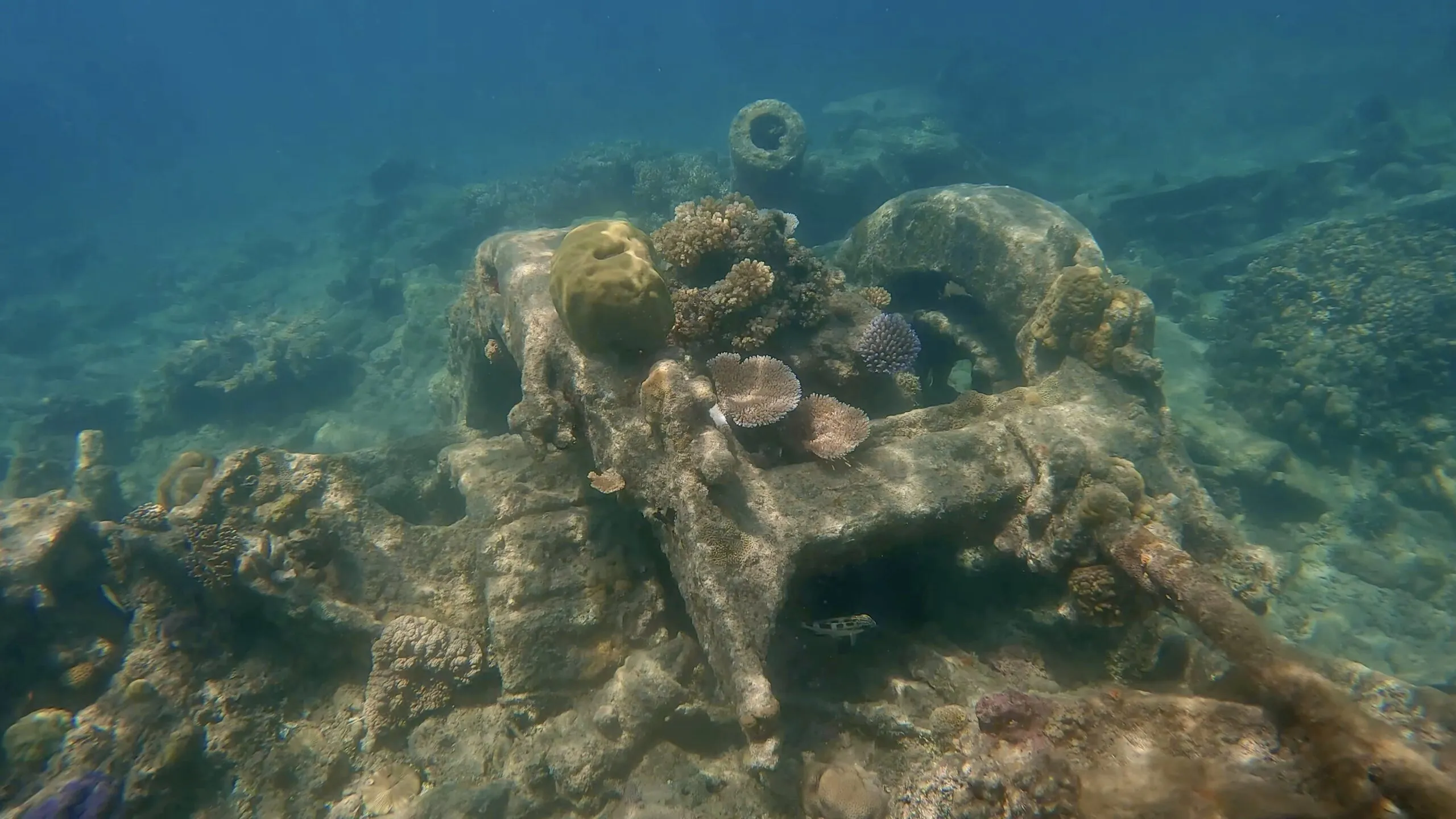
It was a huge relief to find well-stocked grocery stores in the capital of Espiritu Santo, our third and final stop in Vanuatu before an estimated 30 days at sea. However, one basic item seemed to be in short supply – we visited close to 20 different stores before we found the only one who carried eggs! While I spent most of our week in Luganville either preparing myself for the big crossing or gathering provisions, I did manage to get in some snorkeling at Million Dollar Point. After WW2 the US military dumped millions of dollars worth of equipment in the ocean just so no one else could have it. Those tanks and trucks provide a scaffolding for the most spectacular coral I have ever seen, home to giant bright blue starfish, spiky sea cucumbers, and a rainbow of fish in all shapes and sizes.
Reflections
Two of our shipmates have made the difficult decision to leave us here. It is a sobering reminder that this kind of life is not easy and it is not for everyone. Sometimes I think that those of us who choose to do this again and again must be a little bit crazy. We give up our familiar homes and the people we love for a ship that is often hot, or wet, or filthy, or missing some basic comforts like fresh water or functioning toilets. Many times while battling sea-sickness or trying to cook through rolling waves I have asked myself why I do this. The answer? To see things that few people ever get to see, to experience the world in a way that traveling by airplanes can never provide, and to challenge myself to reach a potential that simply is not necessary at home.
Want to watch Yasur erupt from the rim?
Vanuatu isn’t on a brochure, it’s where a tall-ship crew trades pancakes for boar tusks and stands by an open volcano at dusk. NEPTUN keeps threading the world voyage through islands like these.