Why a Caribbean voyage on NEPTUN is different
A typical Caribbean sailing holiday is a week aboard a chartered catamaran with a captain and a cook. It is a fine way to take a holiday, and plenty of people enjoy it. It is not what we do.
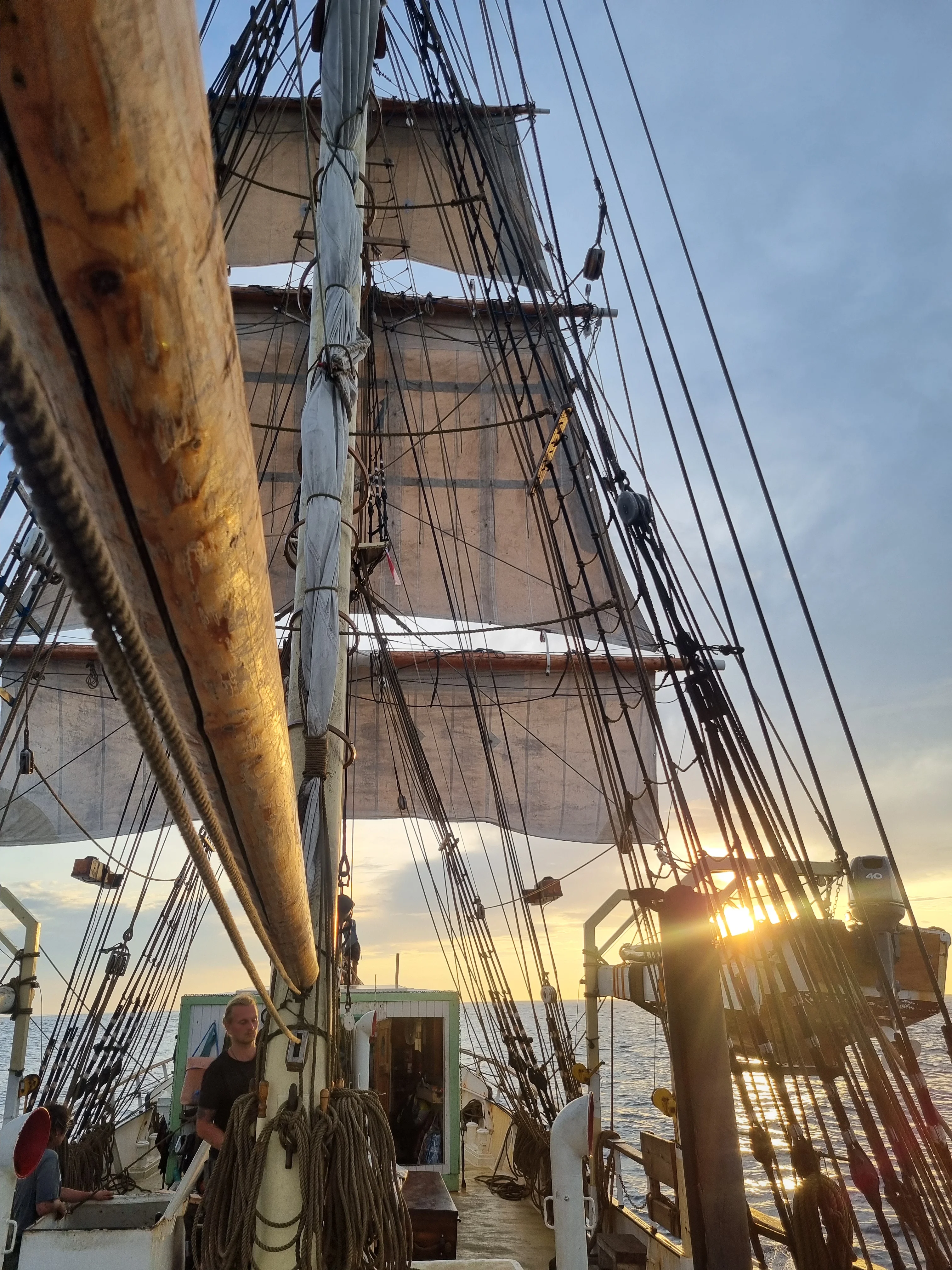
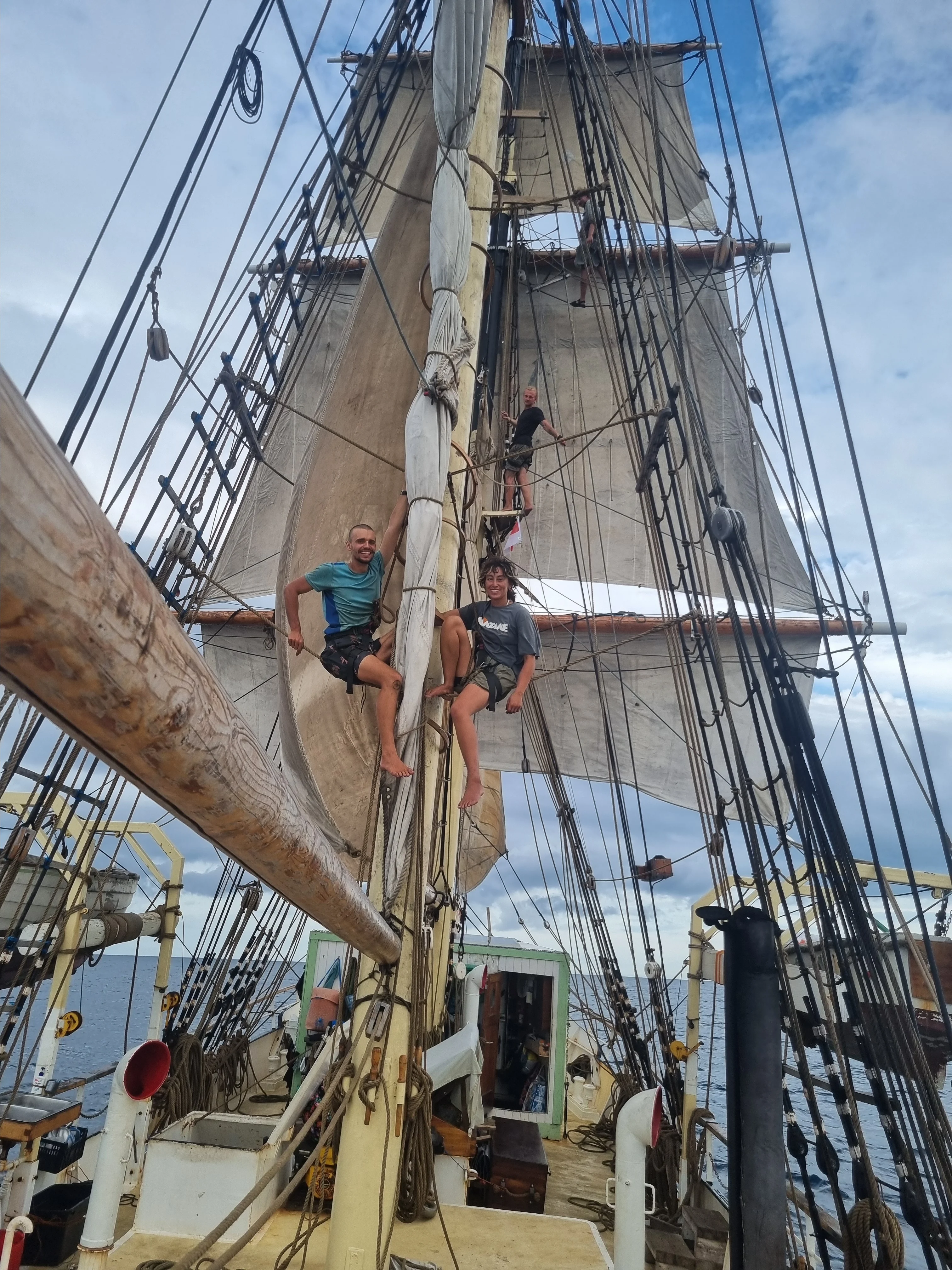
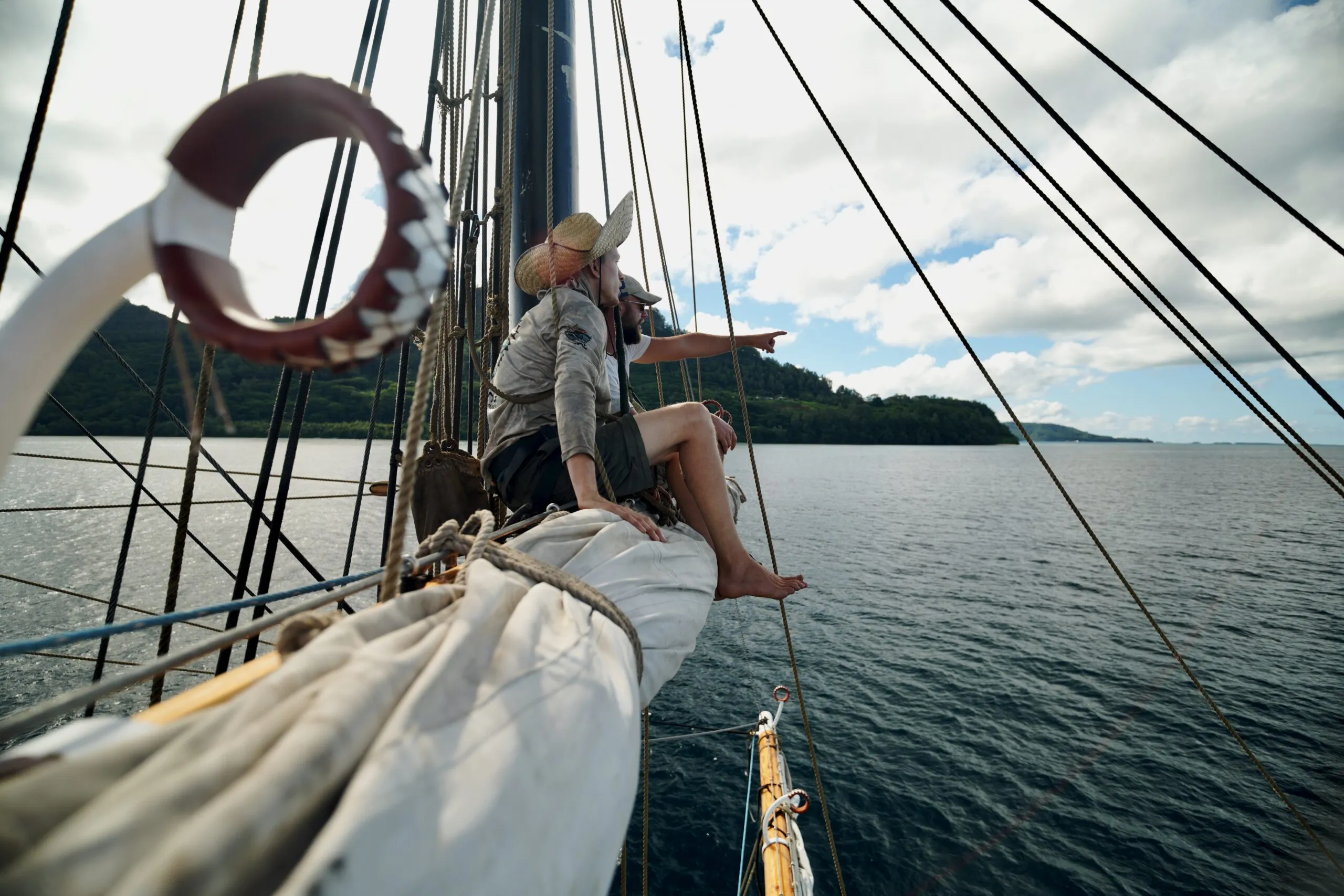
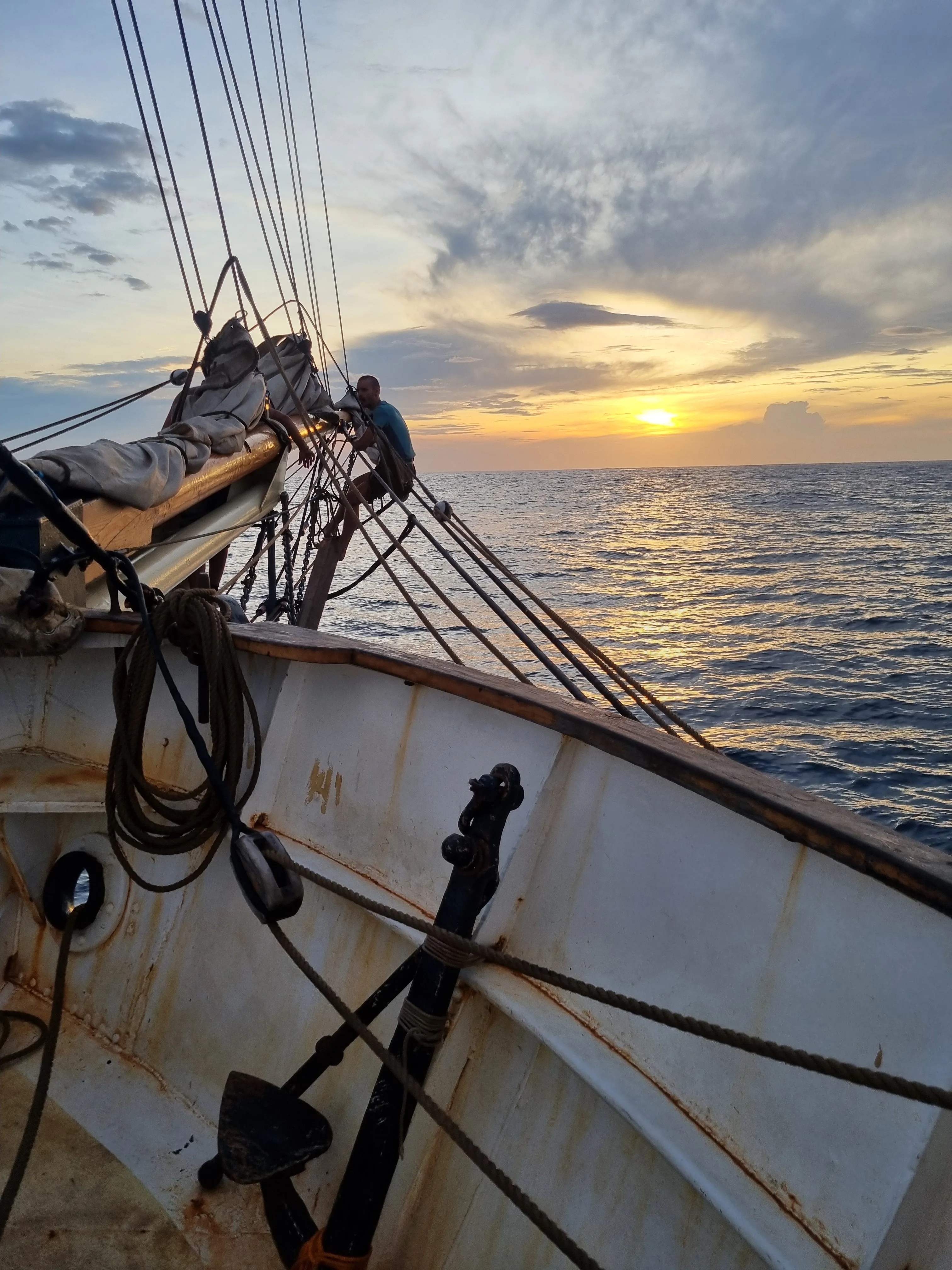
A Caribbean voyage on Brigantine NEPTUN is different. You sail for weeks, not days. You're part of a crew of twelve. You stand watches at 02:00 with the wind in your ear and the Southern Cross low on the horizon. You learn to climb the rigging, set a square sail, steer a brigantine through a squall. You wake up in anchorages most tourists never see.
It is more demanding than a holiday, and more rewarding. The trade winds, the night watches, the slow progress up an island chain you actually understand by the end of it, that is what most people who say they want to sail the Caribbean are really after, even if they don't know to ask for it.
Where in the Caribbean we actually sail
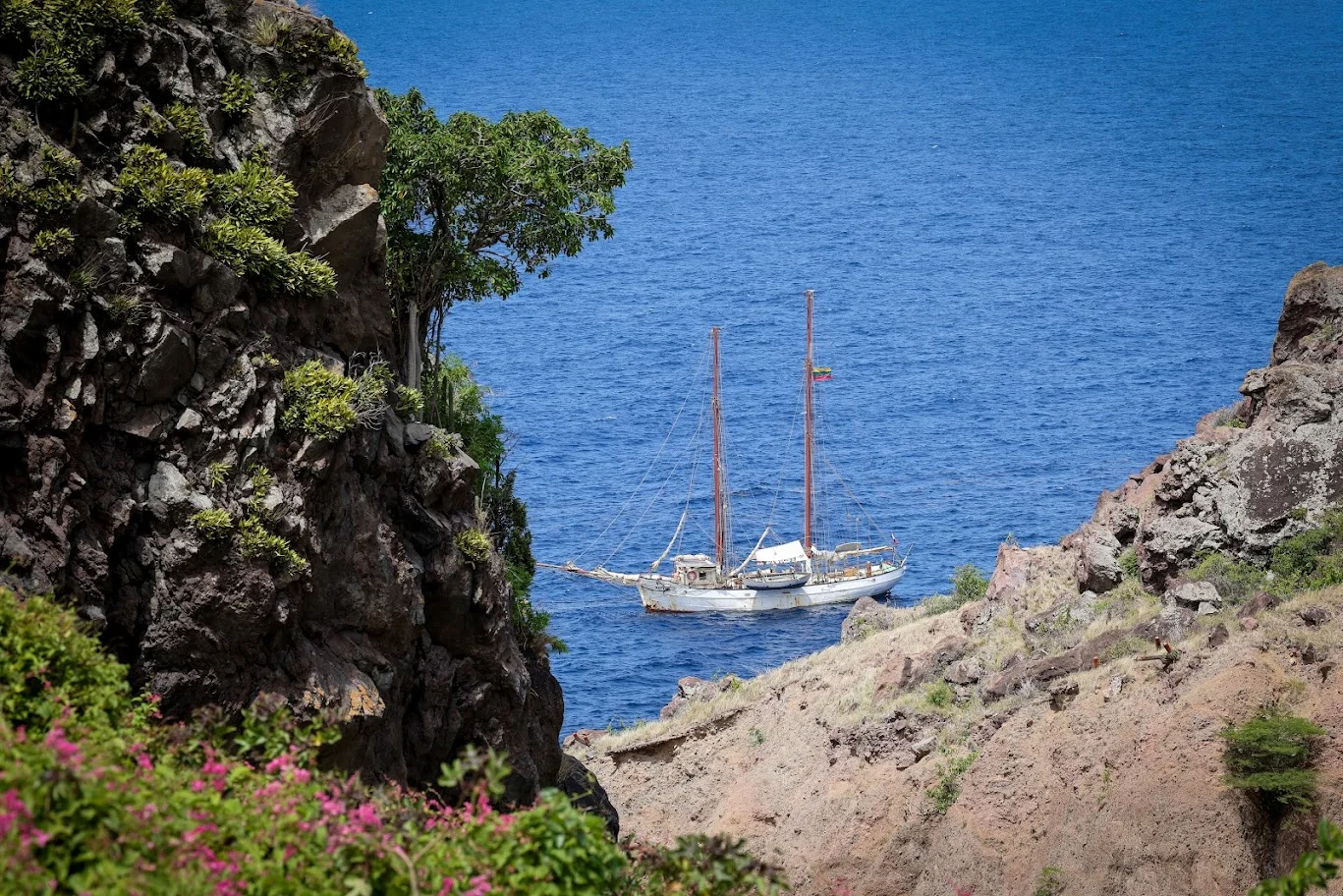
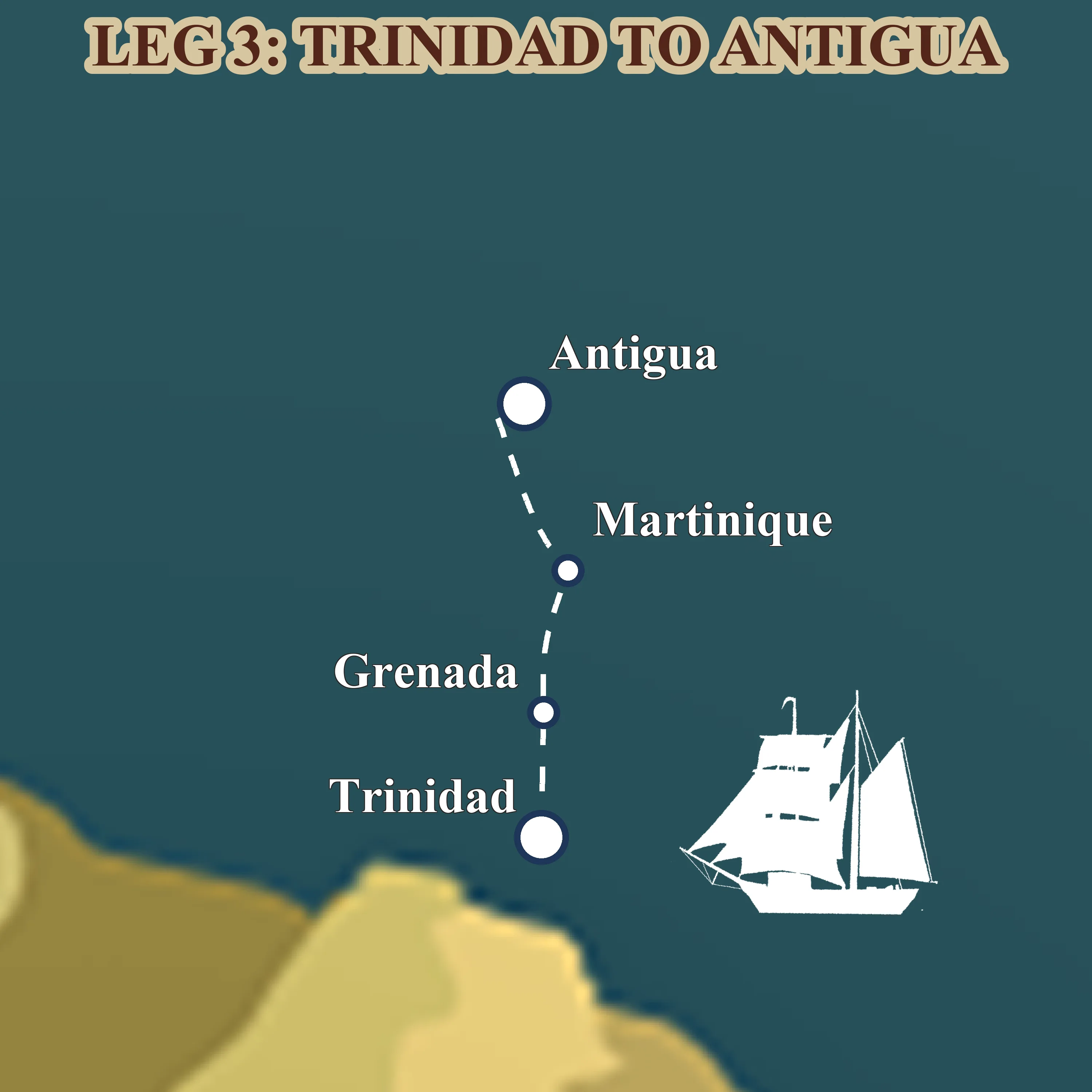
The 2027 leg from Trinidad to Antigua moves northward up the Windward and Leeward chains: Trinidad, Grenada, Carriacou, the Tobago Cays, Bequia, St Vincent, Saint Lucia, Martinique, Dominica, the Saintes, Guadeloupe, and onward to English Harbour in Antigua. Each landfall is a working stop, clear customs, top up water, send the watches ashore in rotation, sleep one full night without the ship moving, before the next overnight passage.
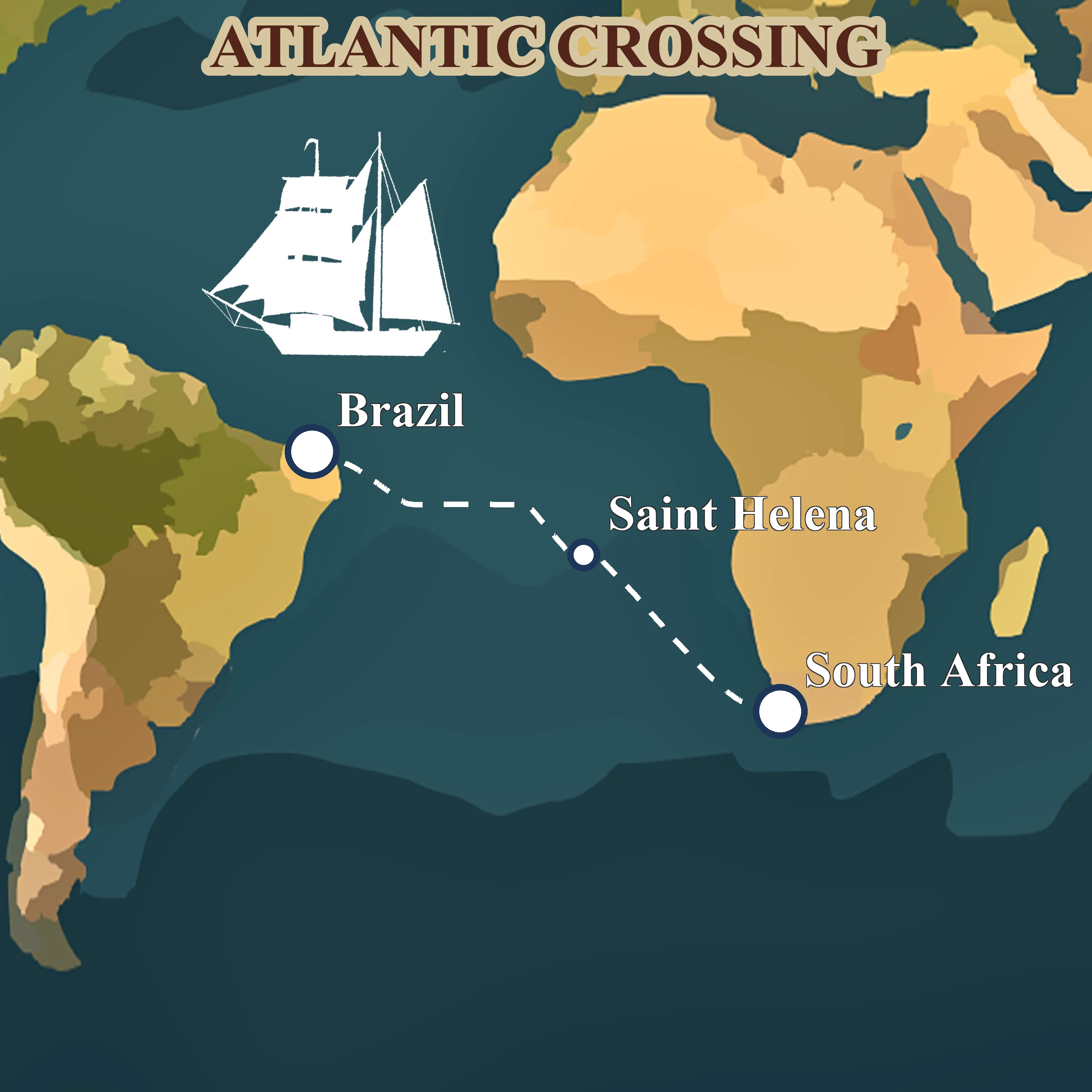
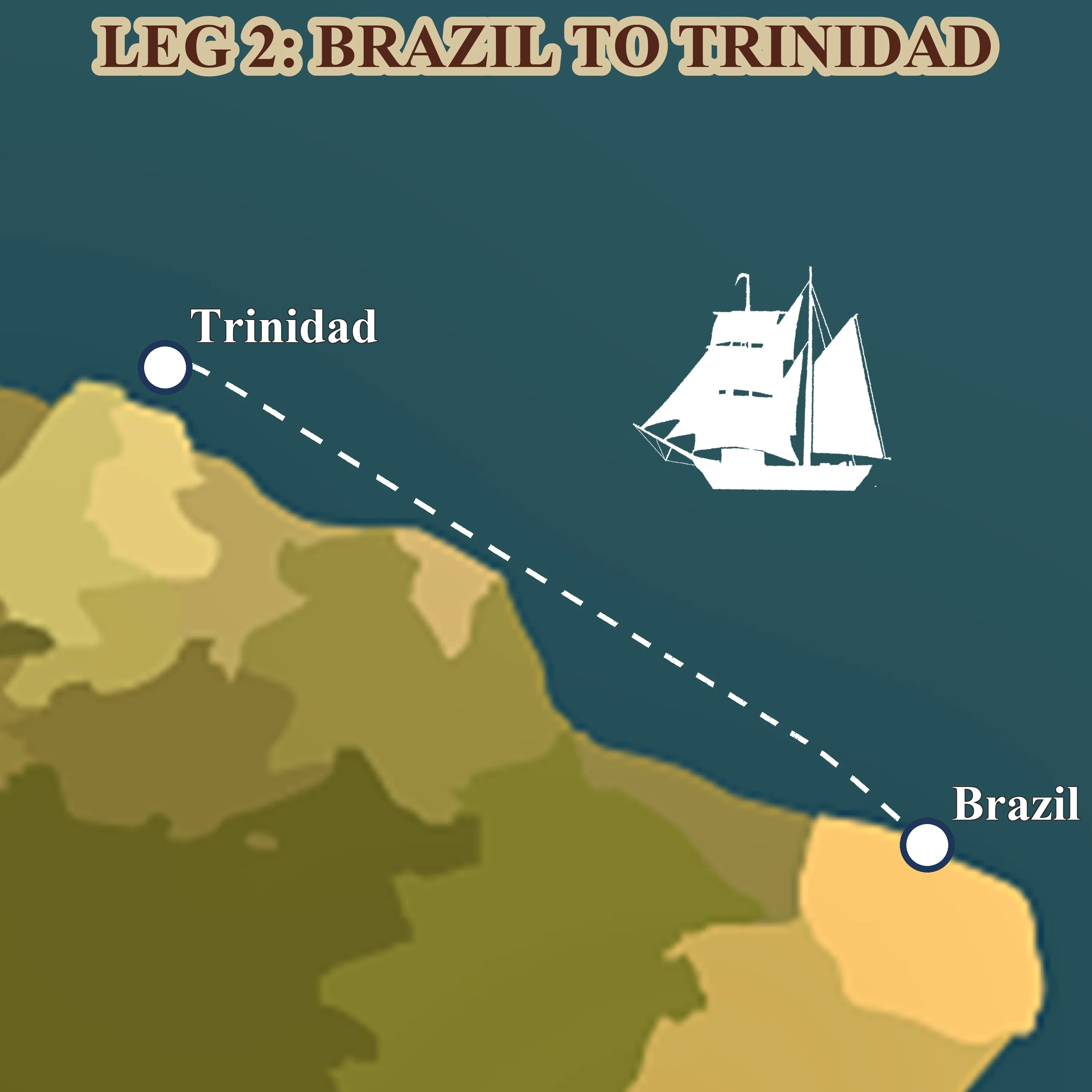
The 2026 voyage approaches the Caribbean from a different angle. After the long South Atlantic crossing NEPTUN makes landfall in Brazil, then runs north-west along the Guianas and Venezuelan coast to Trinidad, a route most modern sailors never see, with night skies free of light pollution and trade-wind reaches that go on for days.
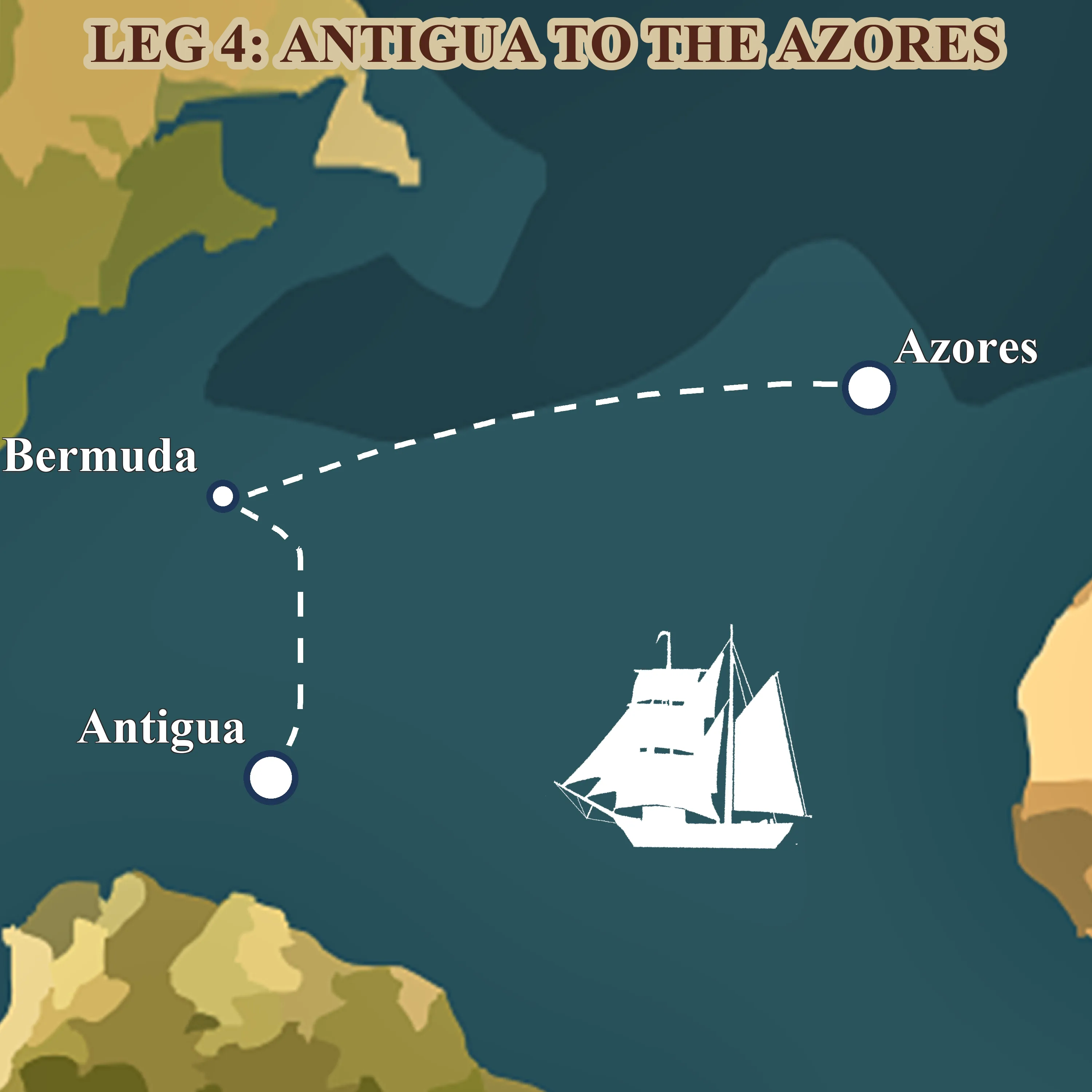
The Caribbean Sea is at its best in the dry season, December through May, and that is exactly when NEPTUN sails it. See the 2026 voyage for the South-Atlantic-to-Caribbean arrival, and the 2027 voyage for the pure Caribbean-to-Europe island-hop.