World Voyage 2027 · Leg 5
Leg 5: across the South Atlantic from Saldanha to Fortaleza
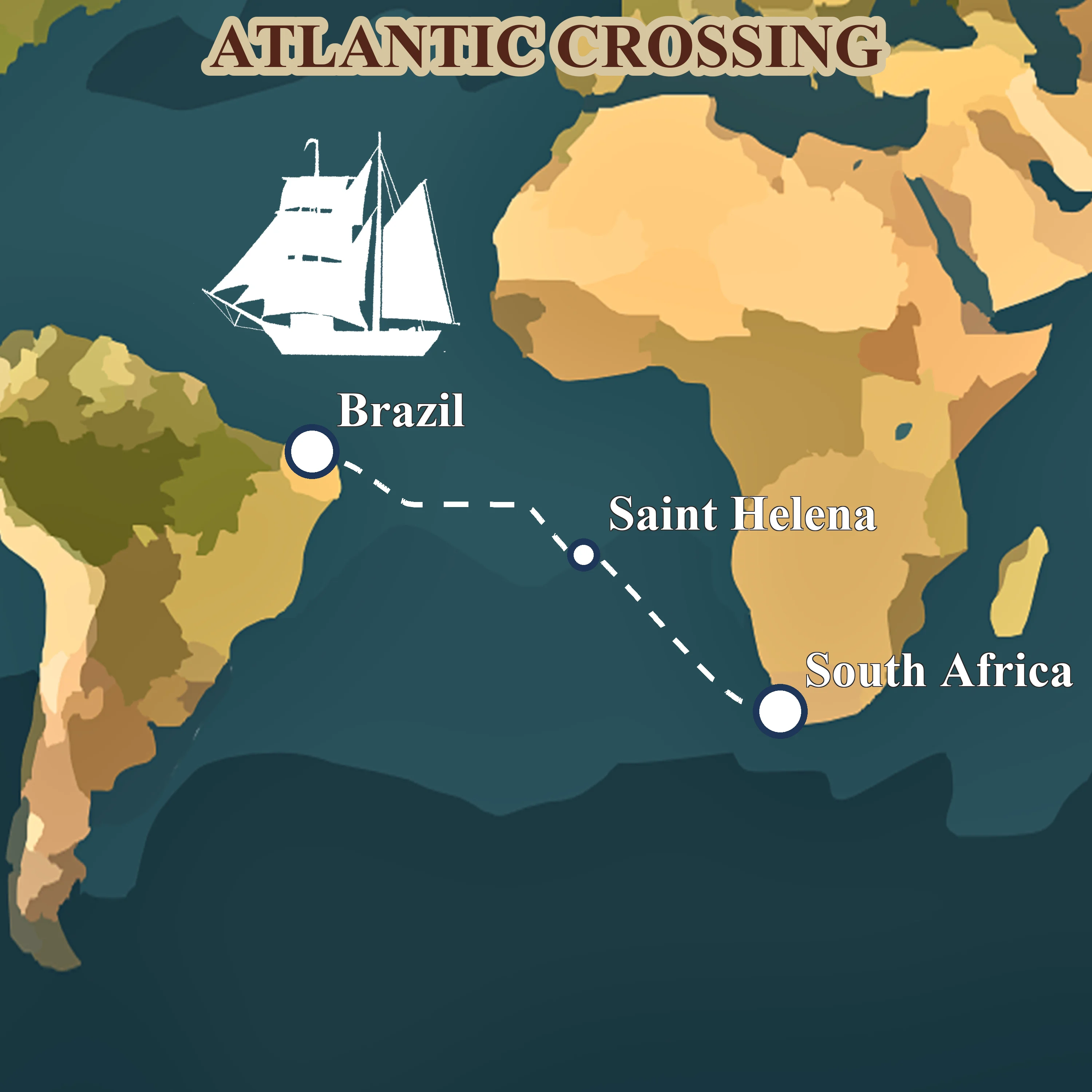
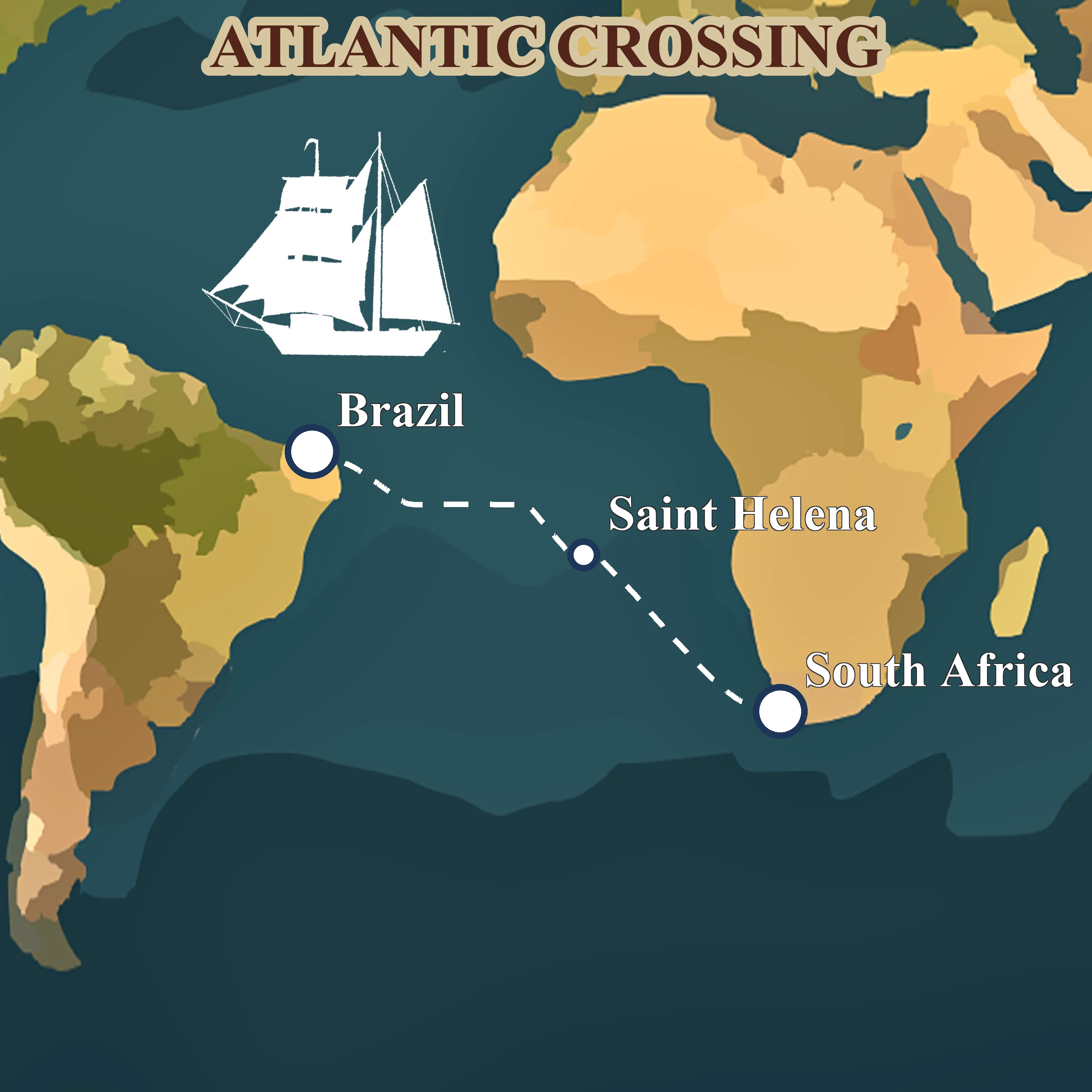
| Route | Saldanha Bay, South Africa → Fortaleza, Brazil |
|---|---|
| Dates | 2 January 2027, 14 March 2027 |
| Duration | 71 days |
| Distance | 3,739 nm |
| Spots | AVAILABLE |
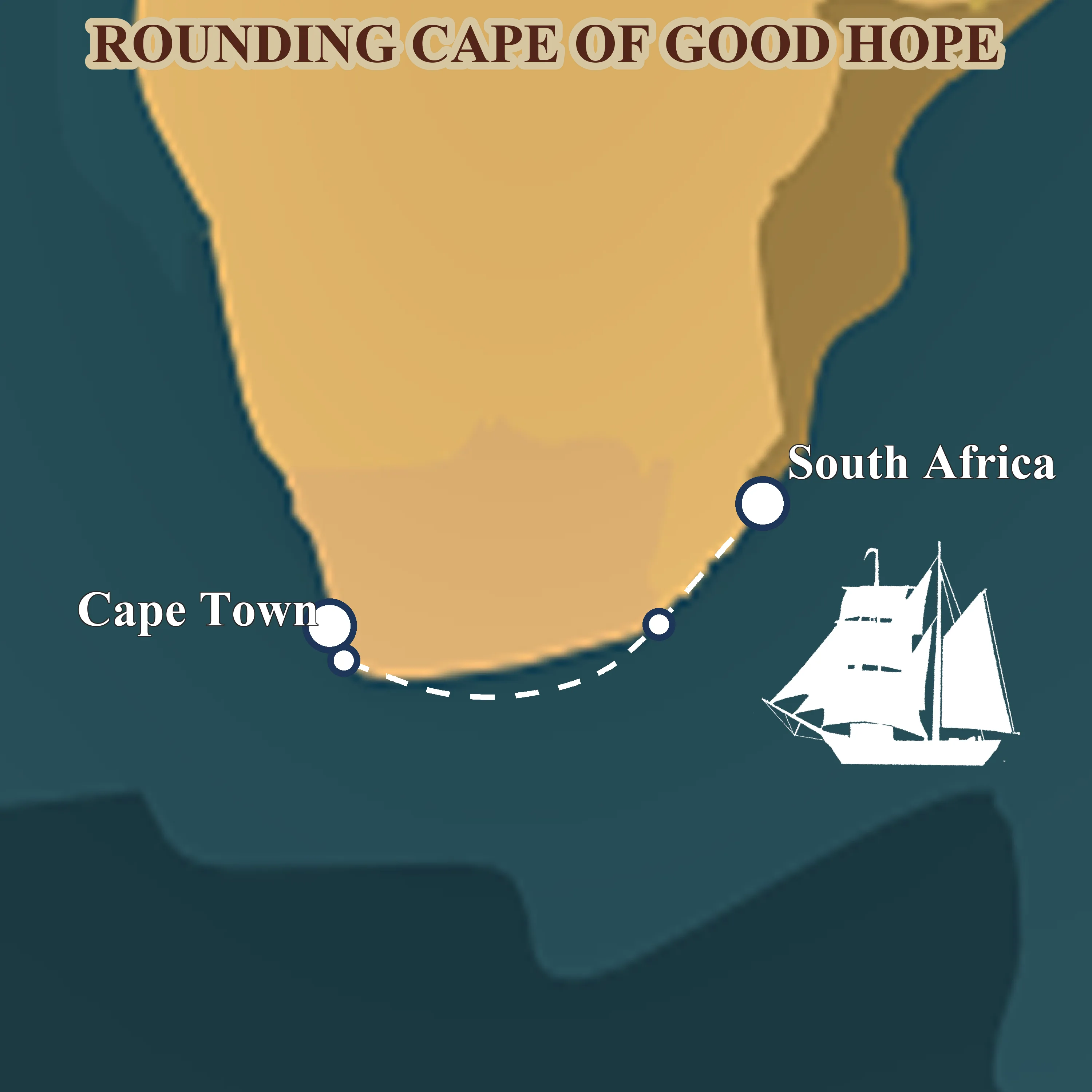
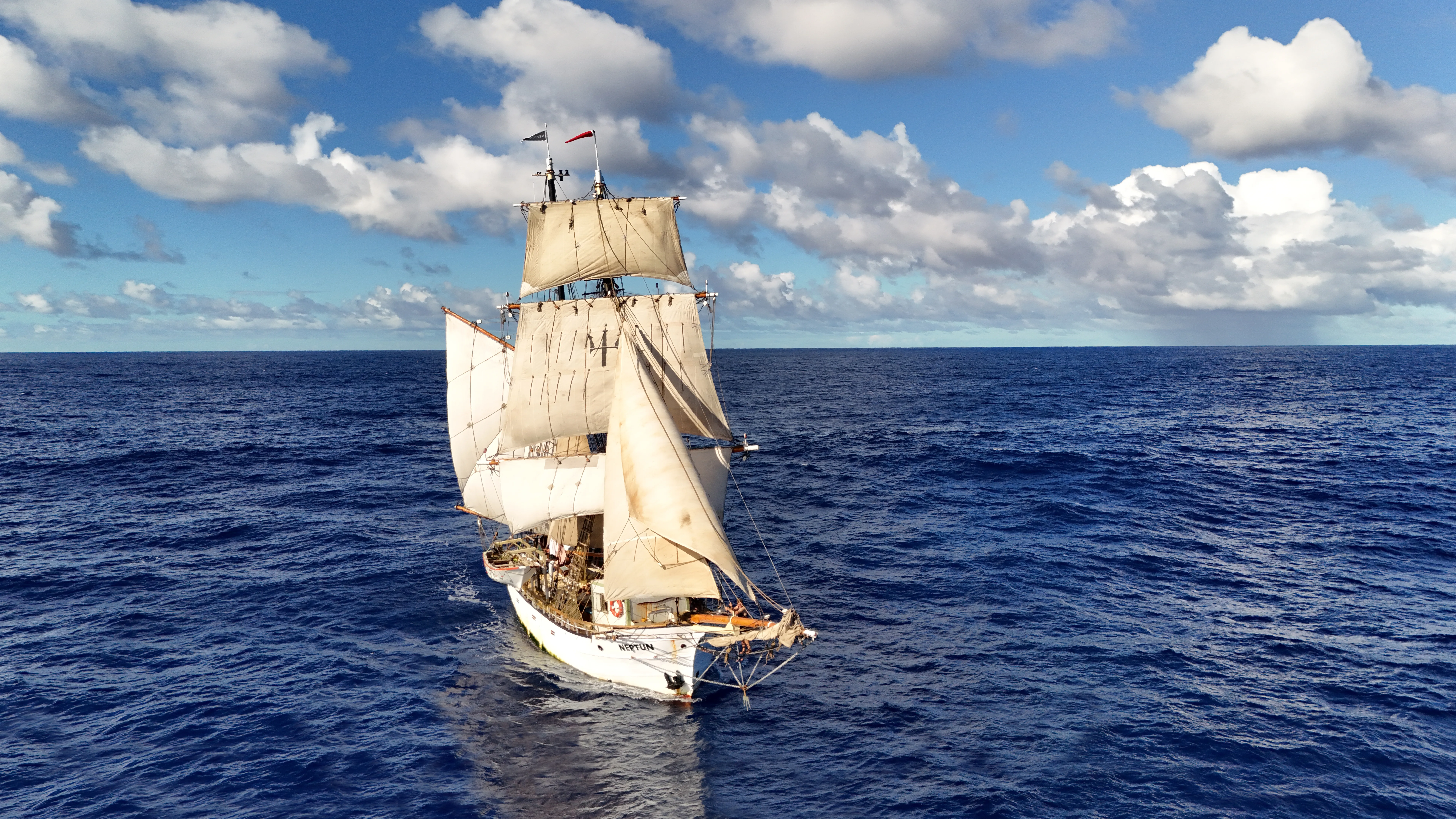
Leg 5 is the open-ocean chapter of the voyage, seventy-one days in which NEPTUN leaves one continent behind, sails for weeks at a time out of sight of land, and eventually raises another. After thirteen days of lay-up in Cape Town over Christmas and New Year, the ship moves up the coast to Saldanha Bay for six nights of final preparation. Provisions stowed below the waterline, watch bills posted, the log books cracked open for a fresh volume. On 8 January, the anchor comes up and the southeast trades begin to fill the squares. The African coast drops astern, and the long blue chapter begins.
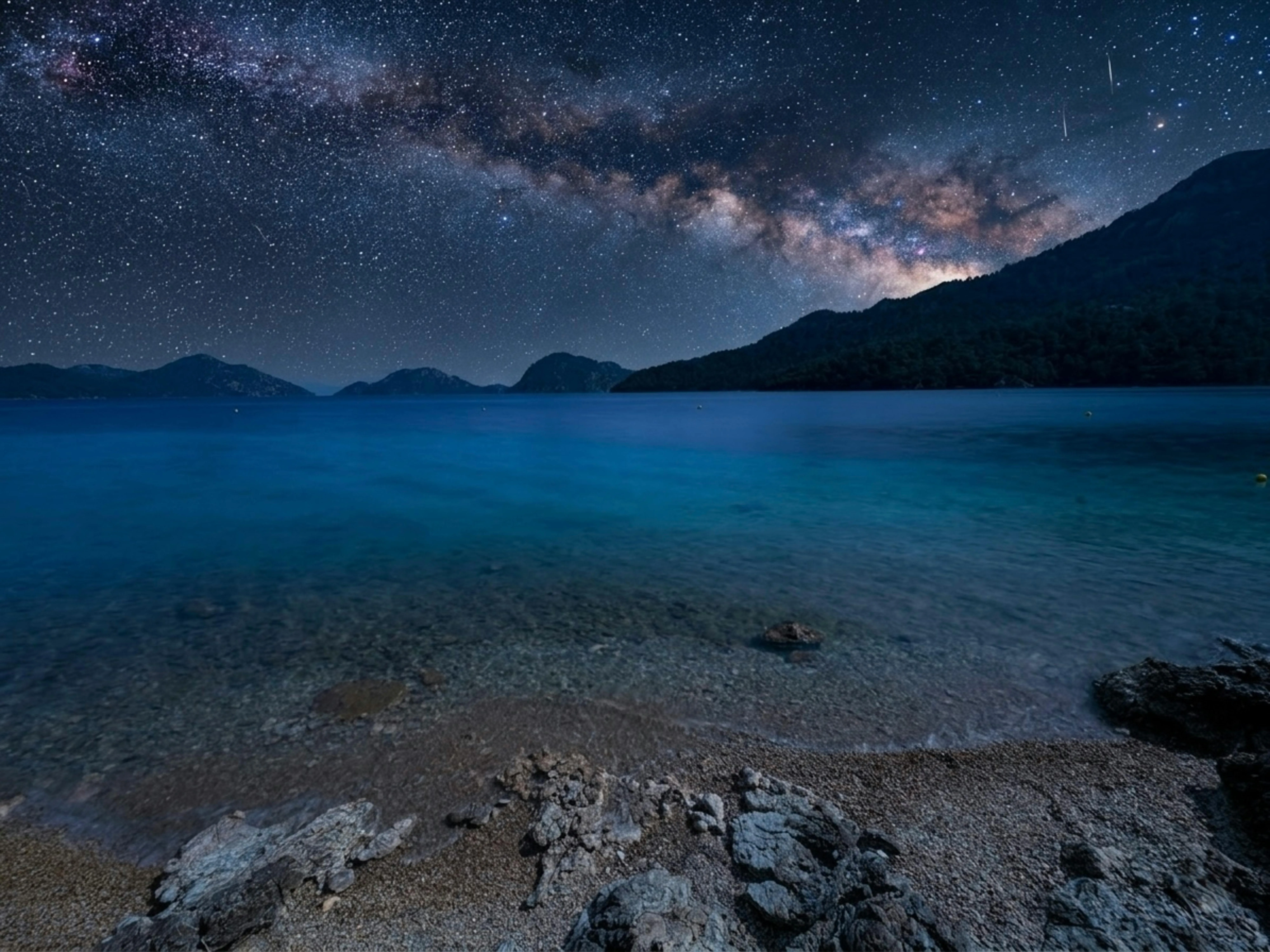
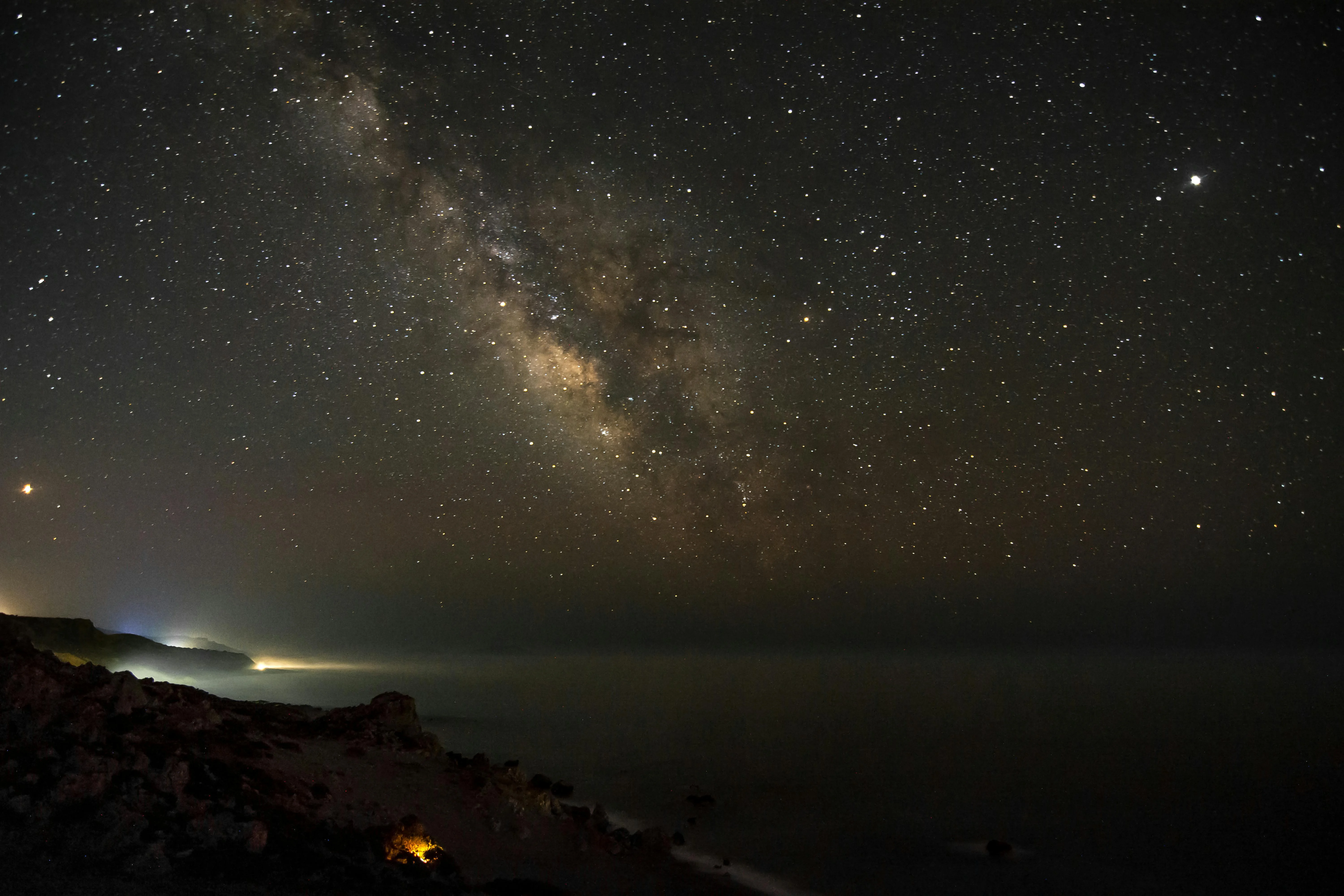
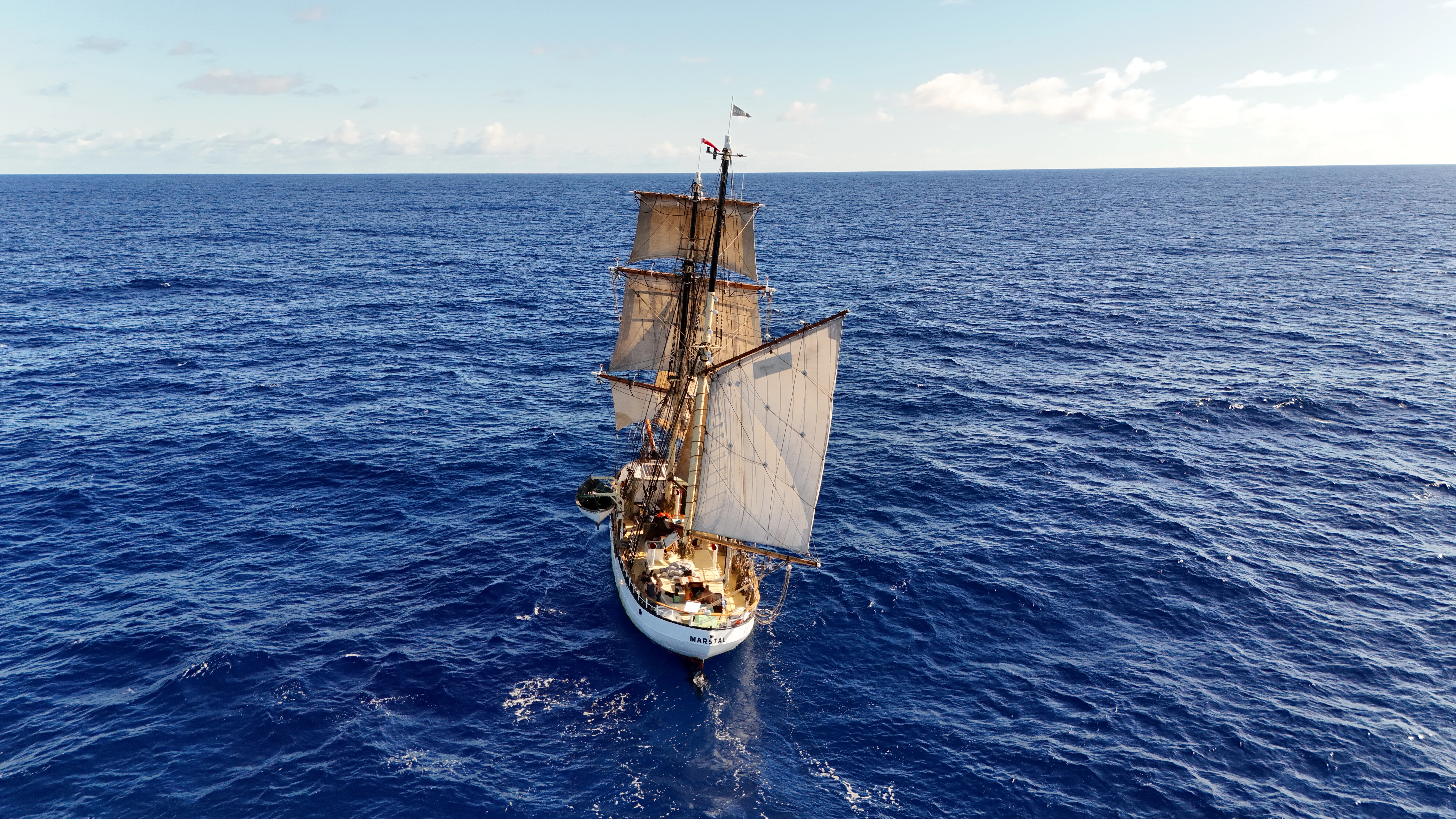
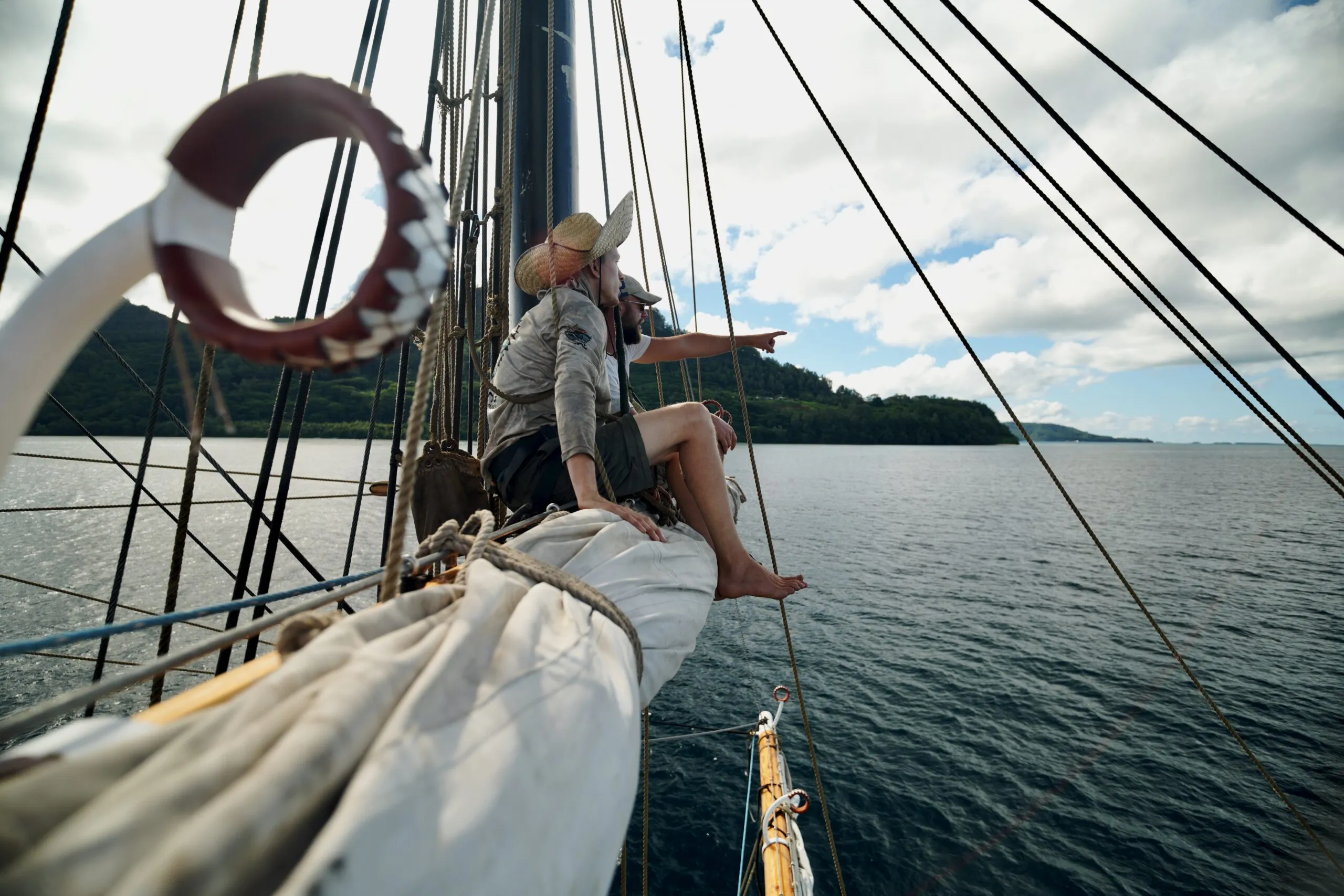
For nearly twenty days the ship runs northwest under the alizés, the steady southeast trades that have carried sailing vessels across the South Atlantic since the age of Prince Henry. This is the classic trade-wind passage: the wind on the port quarter, the swell under the starboard counter, the sails set and drawing for days without a single tack. Watches settle into rhythm, four on, eight off, the hot sun, the phosphorescent wake at midnight, the Southern Cross wheeling slowly down the sky and a new hemisphere of stars rising ahead. Flying fish skitter across the swell and land on deck at dawn, a free breakfast if they arrive before the cook. By the end of week two, the trainee at the helm is no longer a trainee. This is how ocean sailors are made.
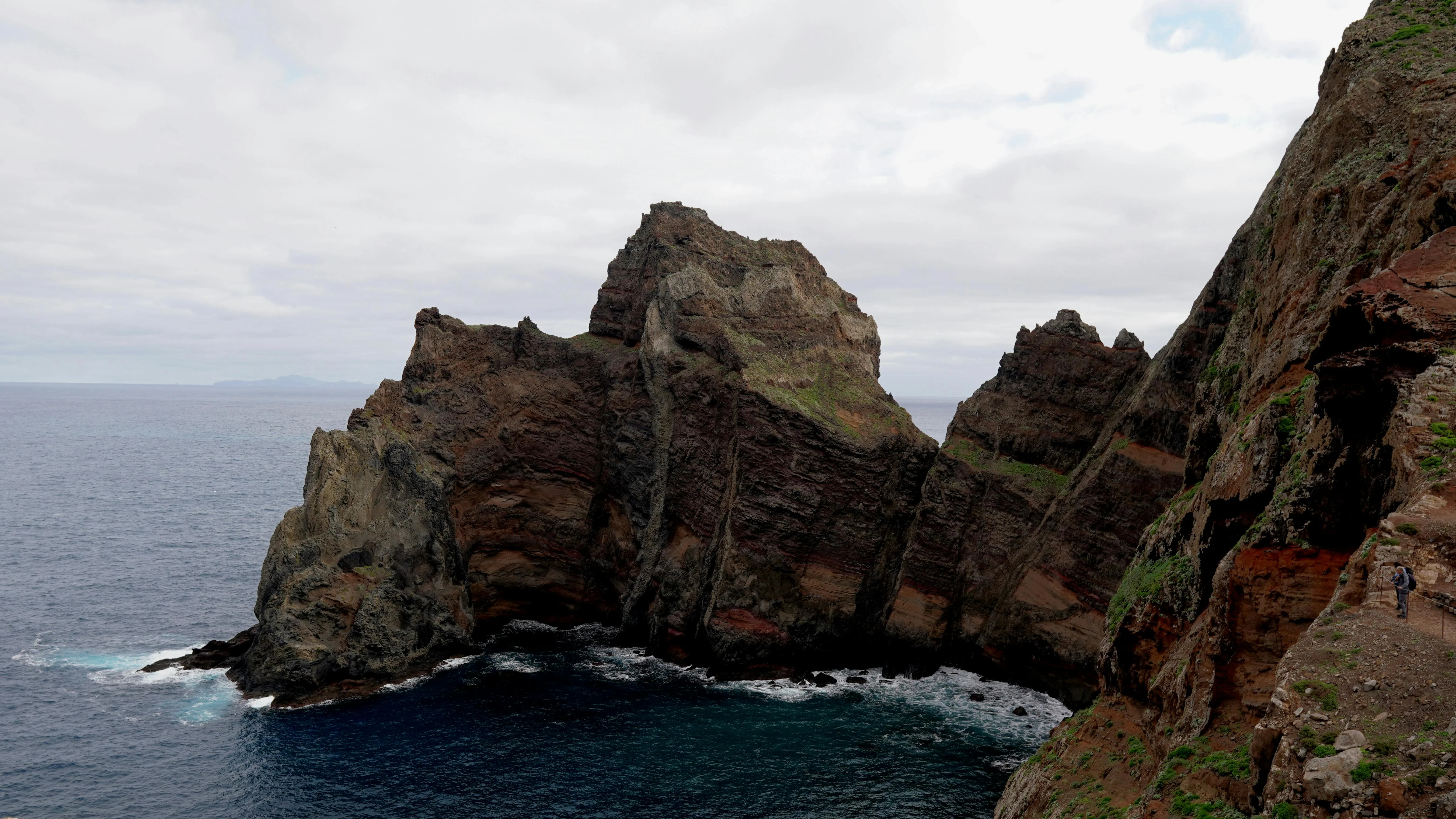
Four weeks out of Africa, a steep green pyramid rises out of the sea: Saint Helena. No ferry, no bridge, no routine air service, this is a tall-ship island if ever there was one, and Jamestown’s fortress harbour is one of the rarer landfalls in the world. Six nights ashore mean real time: the long stone Ladder of 699 steps up the cliff face, Longwood House where Napoleon lived out his exile and died in 1821, the old Georgian high street, the endemic wirebirds on the uplands. The Saints, locals, will come down to the quay to meet the ship, because they always do. And because clearance possible in eOcean means a real sea captain with a real sea ship, not a cruise boat.
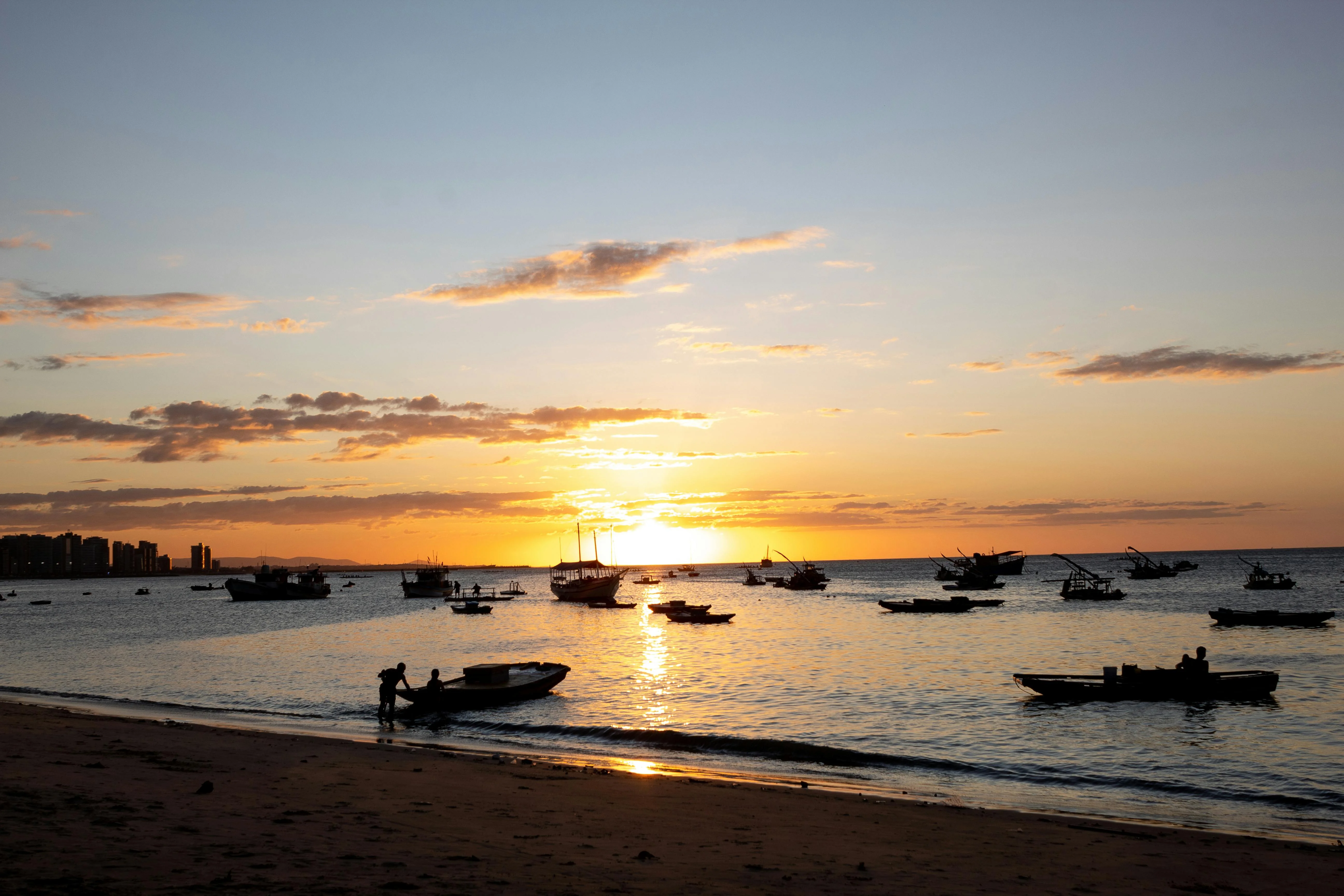
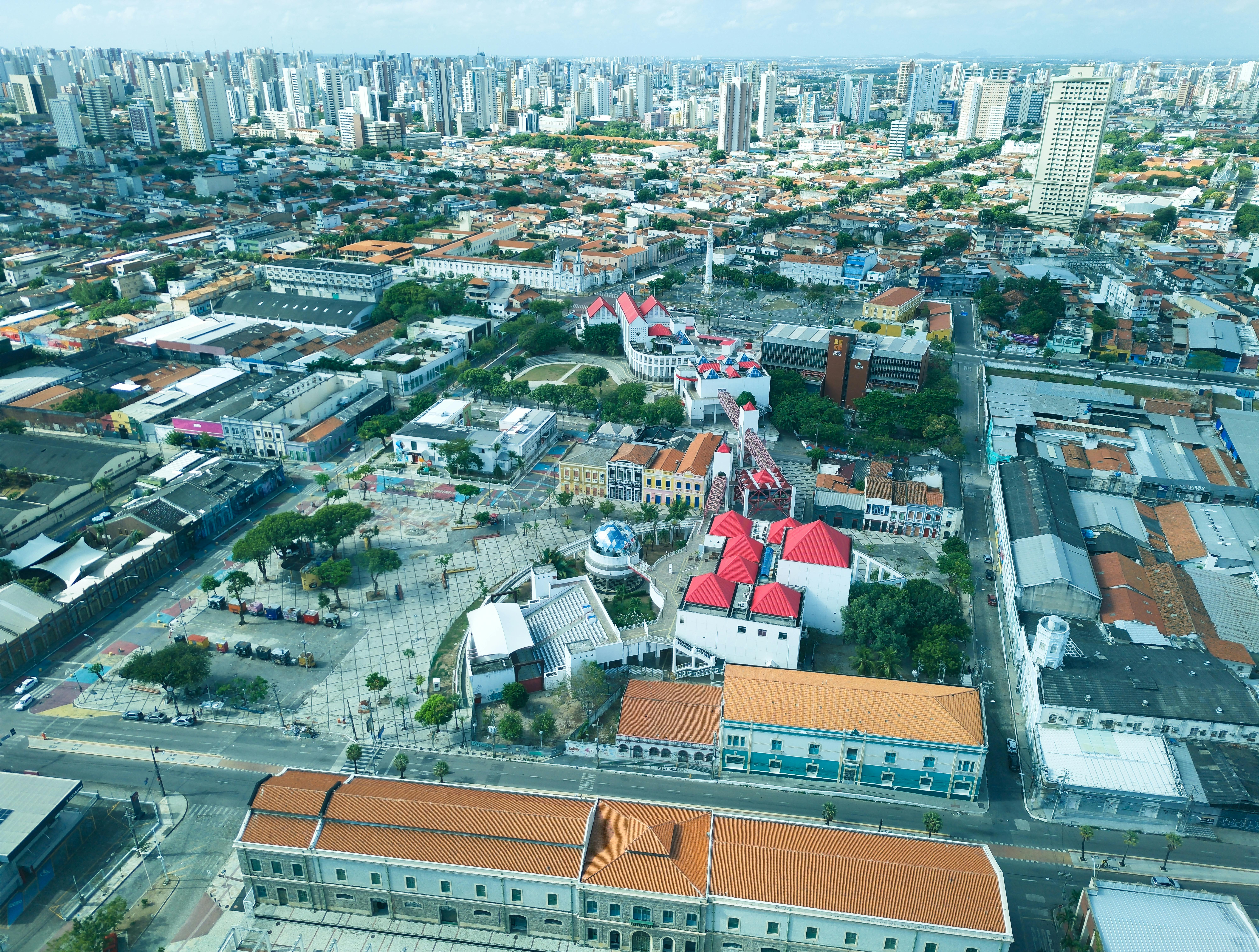
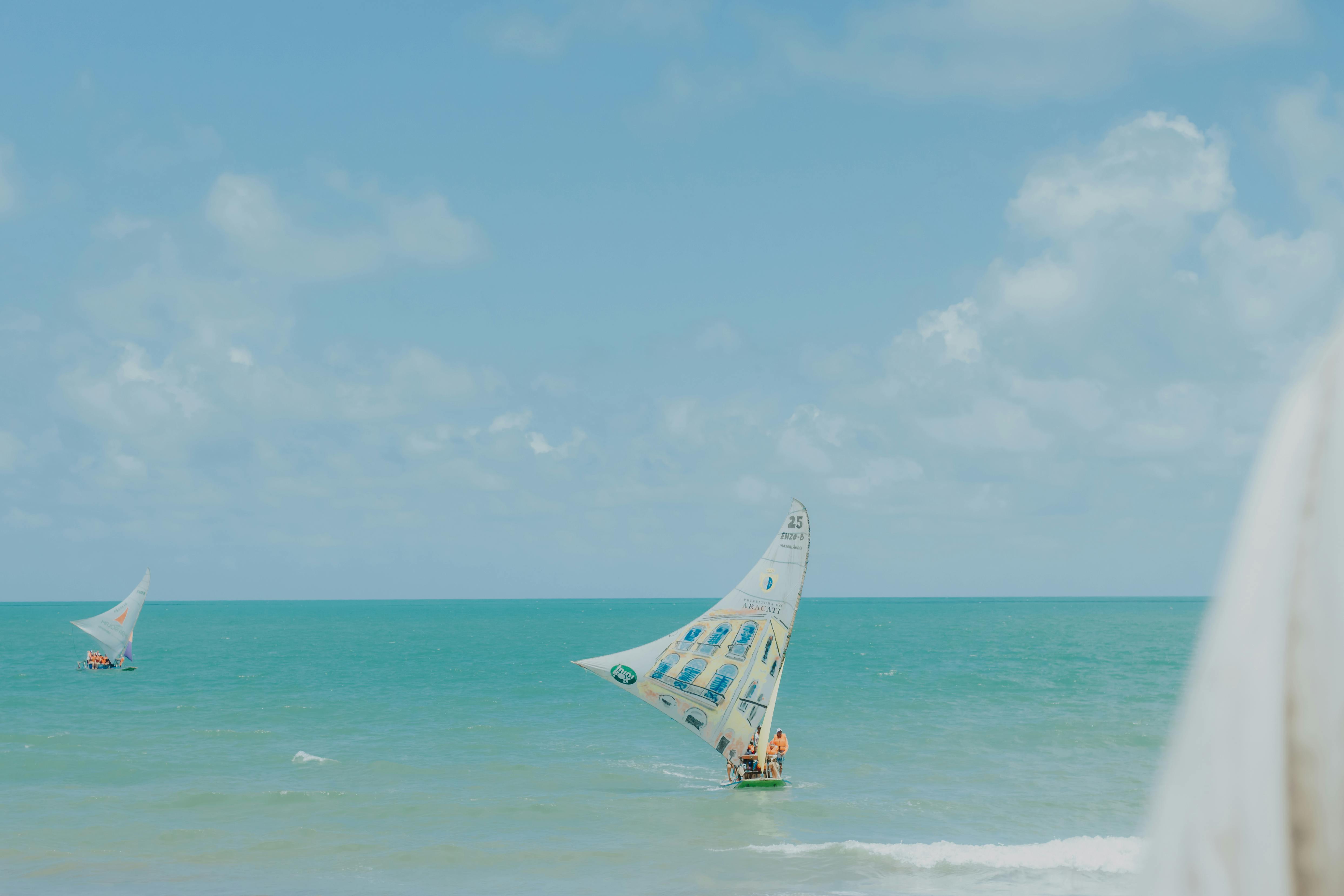
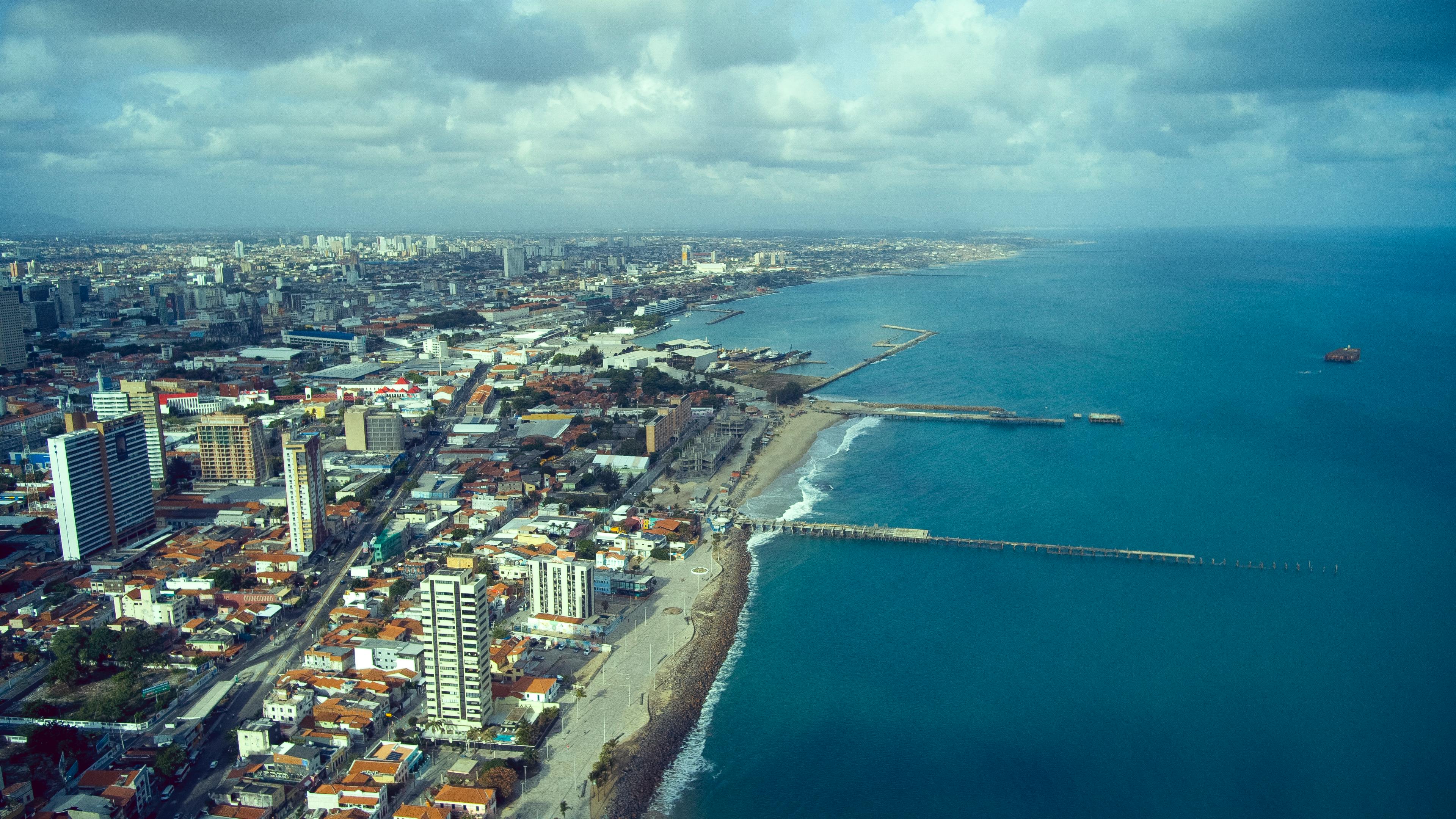
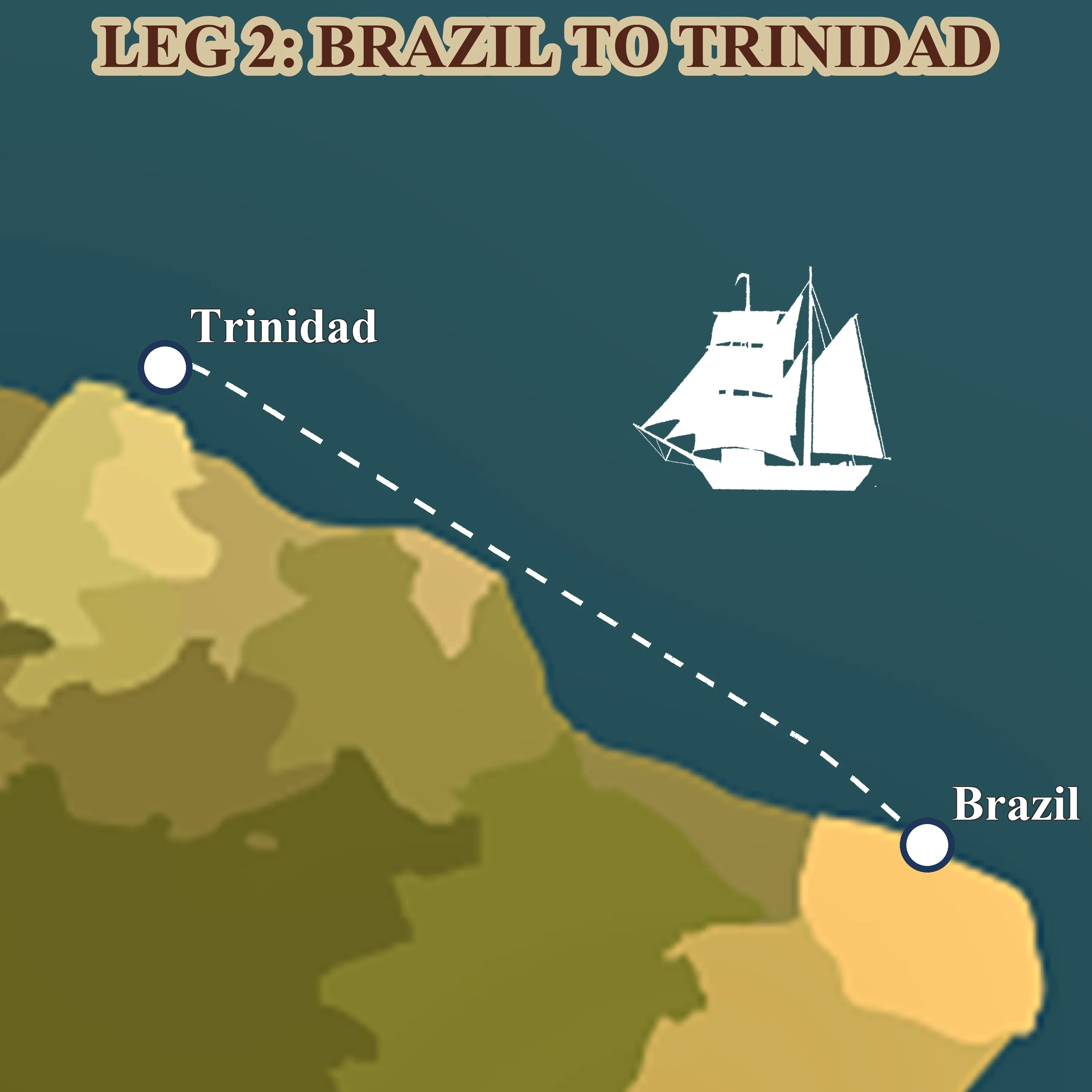
From St. Helena, twenty-five more days of open water carry NEPTUN across the equator, Crossing the Line, and on to Fortaleza on Brazil’s northeast shoulder. The equator-crossing ceremony is a genuine seafaring tradition three centuries old: the pollywogs (those who have never crossed) are judged by King Neptune himself and inducted, with appropriate theatre, into the order of shellbacks. By the time the red cliffs of Ceará lift over the horizon and the jangada fishing rafts come out to meet the ship, the crew has been at sea for the longest uninterrupted stretch most of them will ever know. Brazil welcomes them with forró music on the beach, coconut water, and the warm Atlantic of the northern tropics. The ocean chapter is closed. The voyage has changed them.