Tall Ship Adventure

Sailing Without Experience, Yes, You Can

Most tall ships say 'some experience preferred'. We take absolute beginners.

Sailing without experience

Sail without experience, become crew on the way

Most NEPTUN trainees have never sailed offshore before. The first week is a fast learning curve, line handling, harness, watch system, helm. By week two you are setting sails, standing helm tricks, reading weather. By the end of a leg you have ocean miles in a logbook and the unmistakable feeling of being actually useful on a sailing ship.

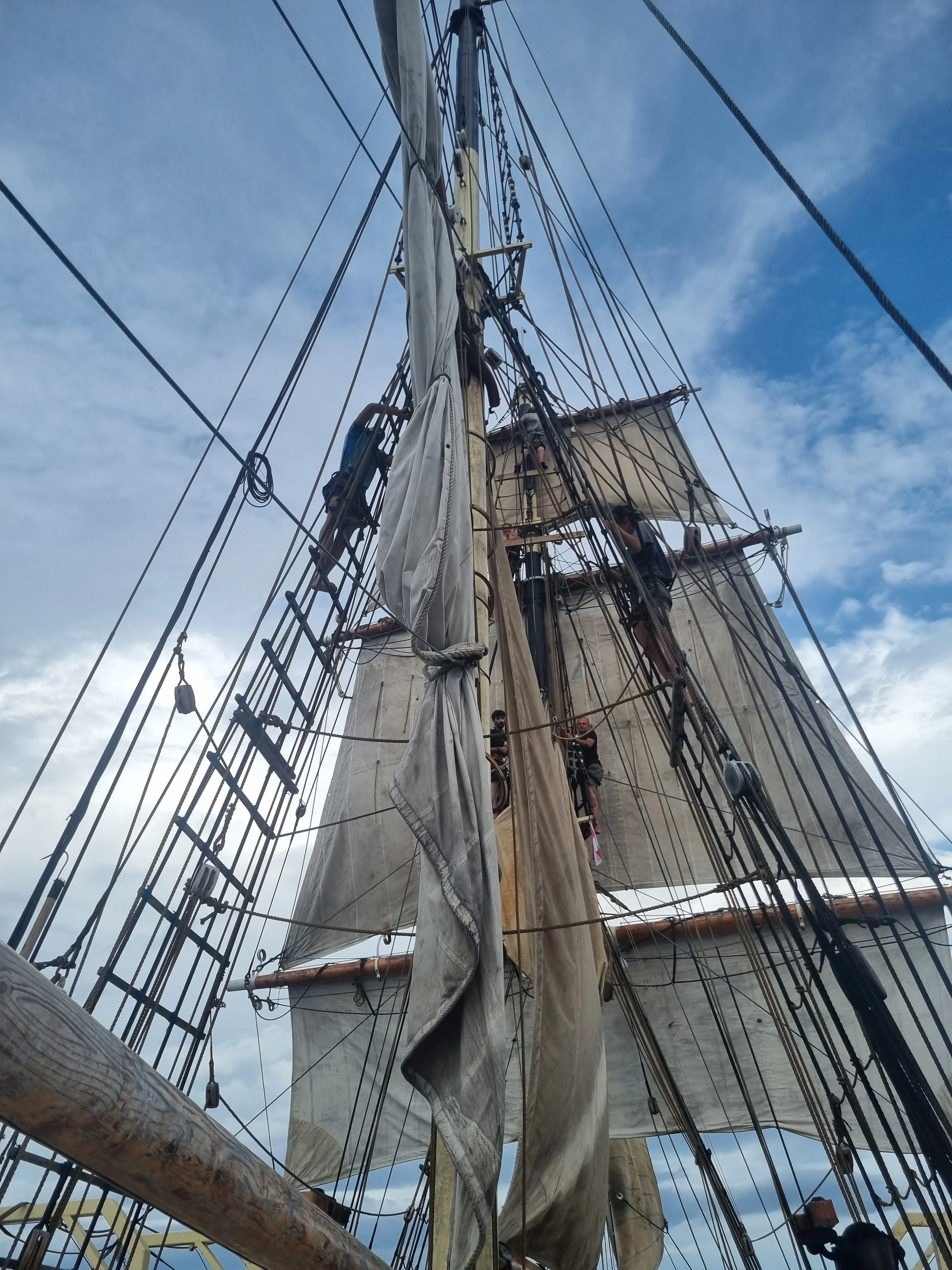
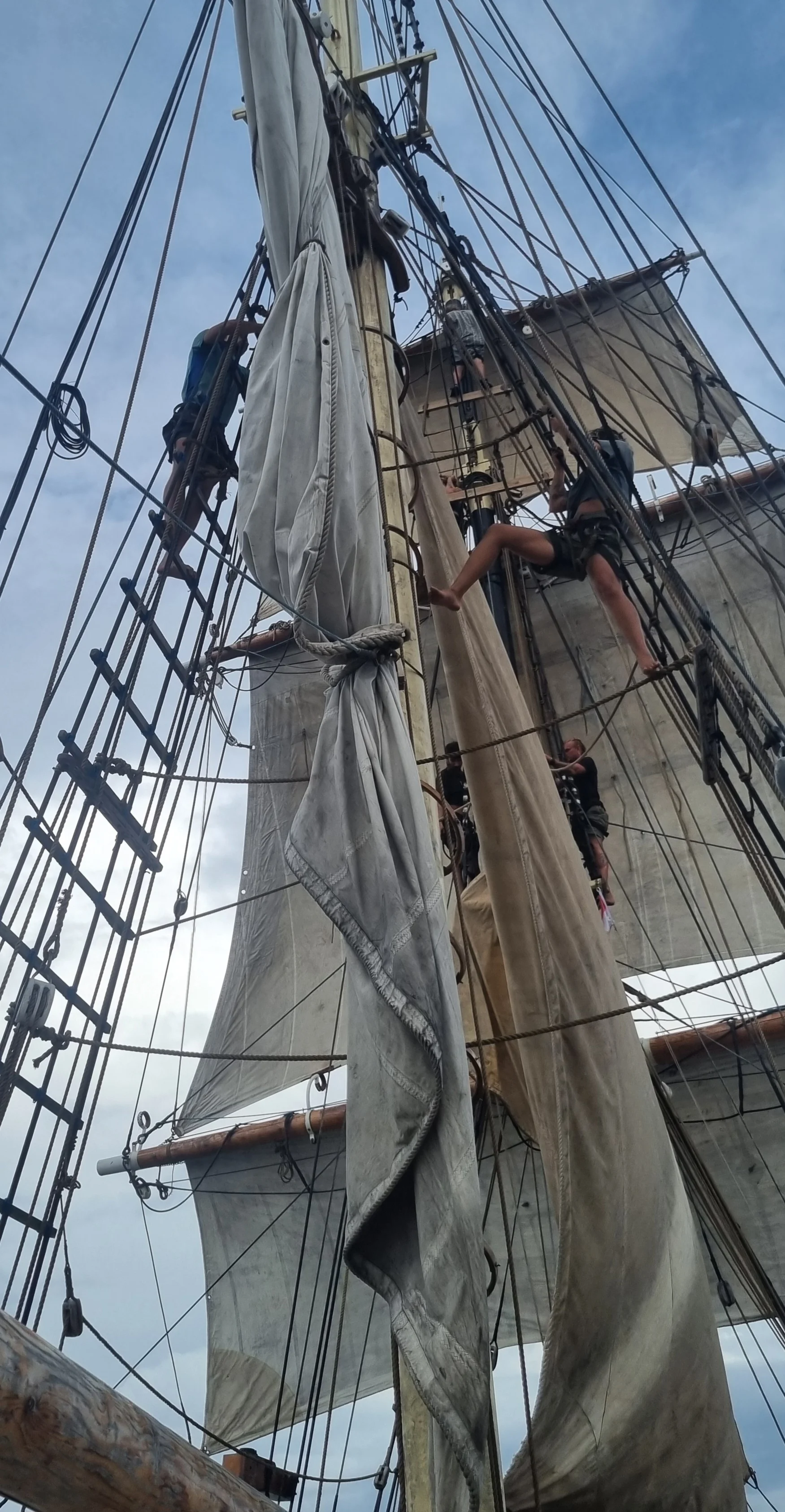
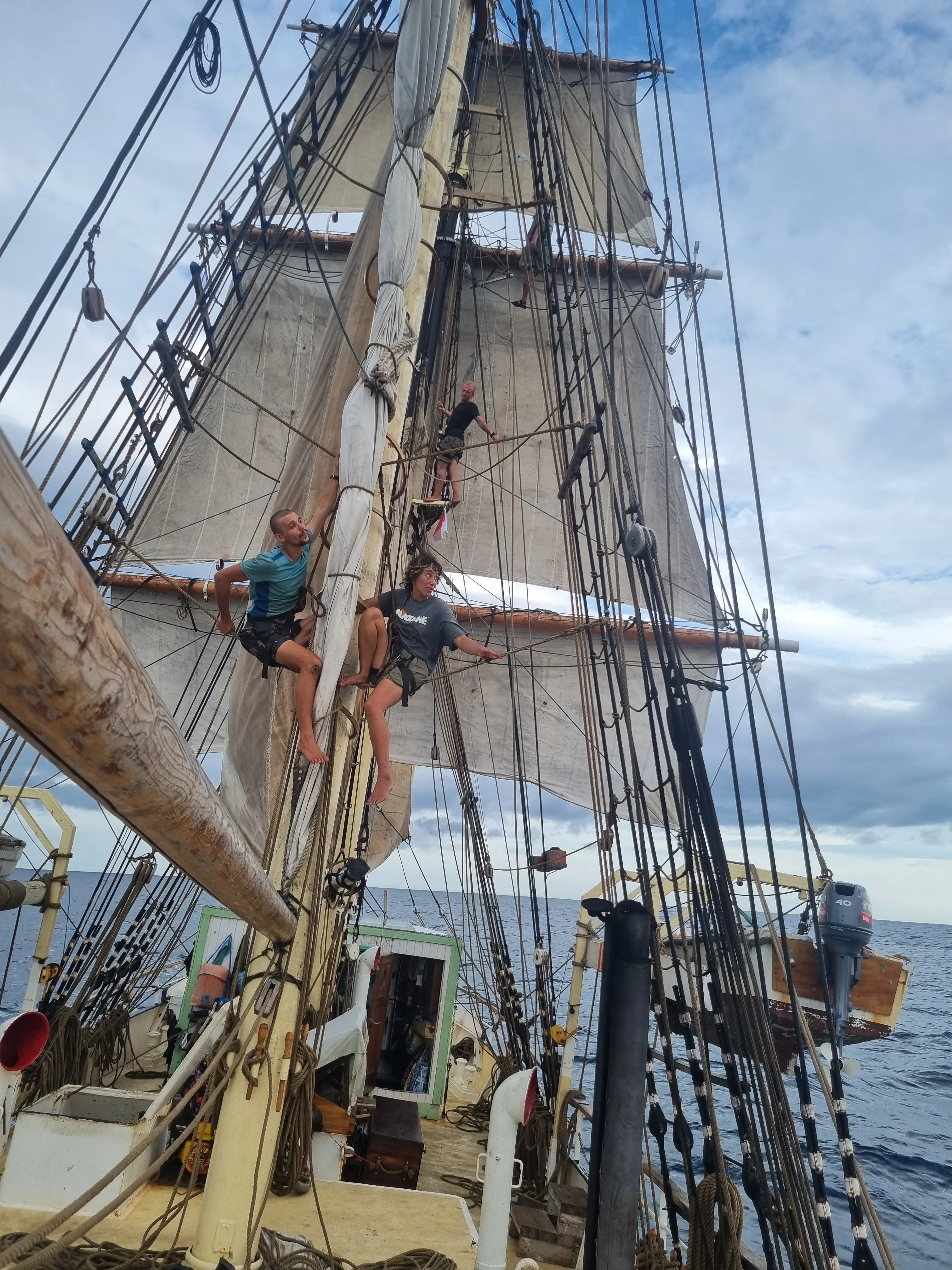
Crew working aloft furling sails on Brigantine NEPTUN

The first leg learning curve

0
Prior experience
~3 wks
To watchkeeper
5
Levels in syllabus
18-70+
Trainee ages seen
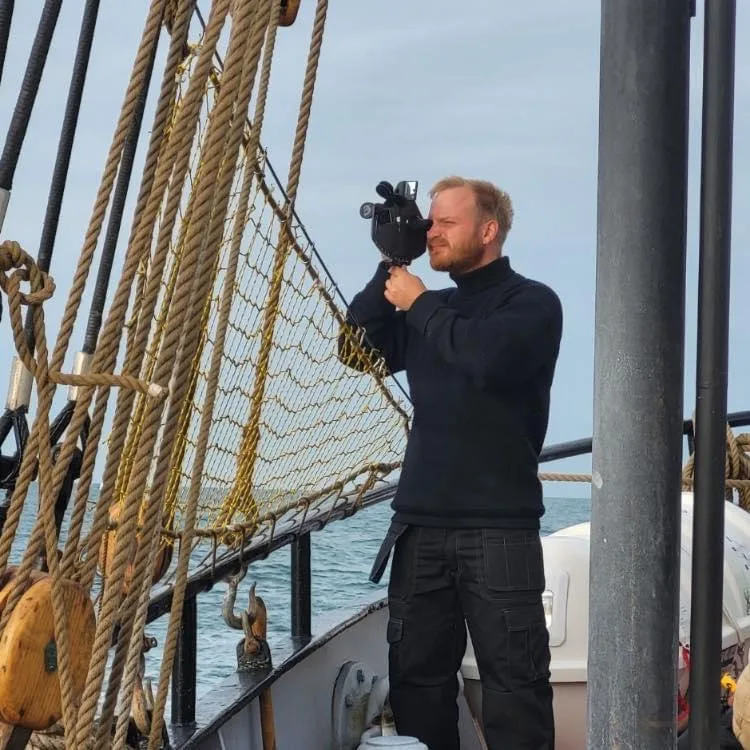
Crew on deck of Brigantine NEPTUN
Trainees learning the rig
Working sails on NEPTUN

Why most NEPTUN trainees have never sailed before

Most tall ships say "some sailing experience preferred" in their crew application. NEPTUN doesn't, because we are a sail training ship and the whole point is to teach you. The Sail Training Programme starts at Greenhand, the level every new crew member begins at regardless of background, and works through Deckhand, Ordinary Seaman, Lead Seaman, and Junior Officer. You can read the full structure of the Sail Training Programme or the practical guide to how to join a tall ship crew.

The reason a beginner can step on a brigantine and become useful in three weeks is the watch system itself. You sail four hours on, eight off, around the clock, with experienced watchkeepers showing you what to do until you can do it yourself. Repetition does the work. By the end of the first week most trainees can steer a compass course in fair weather, by week two they're handling lines on a sail change, by week three they're standing a helm trick at night.

What the first week looks like

Day one: ship safety briefing, fire drill, abandon-ship drill, harness fit, marine head etiquette, who sleeps where, who cooks when. Day two: line handling, knot practice, watch teams assigned. Day three: shakedown sail in sheltered water, first helm tricks, first sail set. By day five the ship is offshore and you're standing a real watch with a partner who knows what they're doing.

Most beginners feel some seasickness in the first 48-72 hours. It passes. Read our seasickness guide for the practical details. After the body adapts, the work becomes the point: hauling halyards, climbing aloft (with safety harness, never optional), splicing line, helping the cook, standing lookout in the small hours.
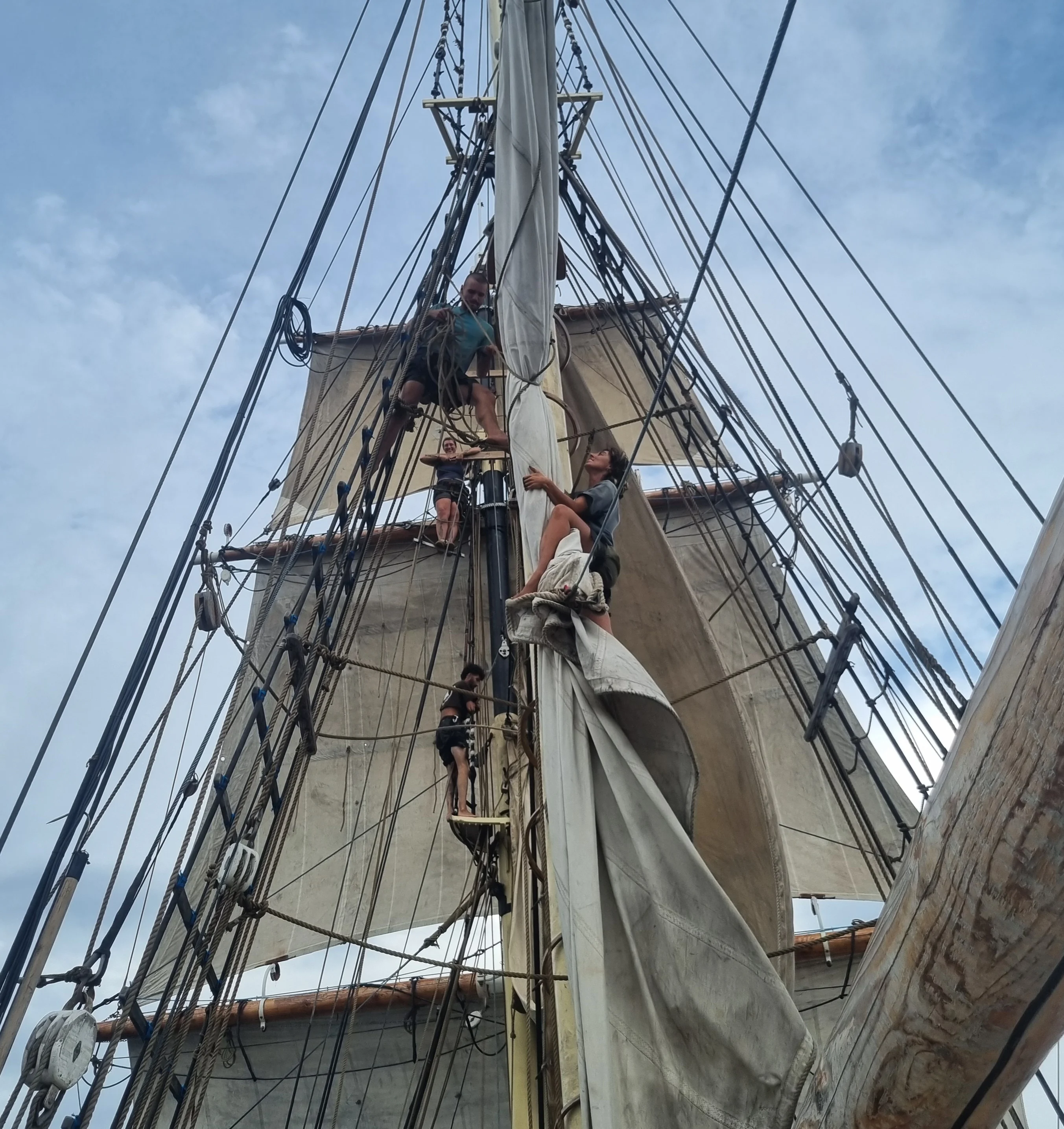
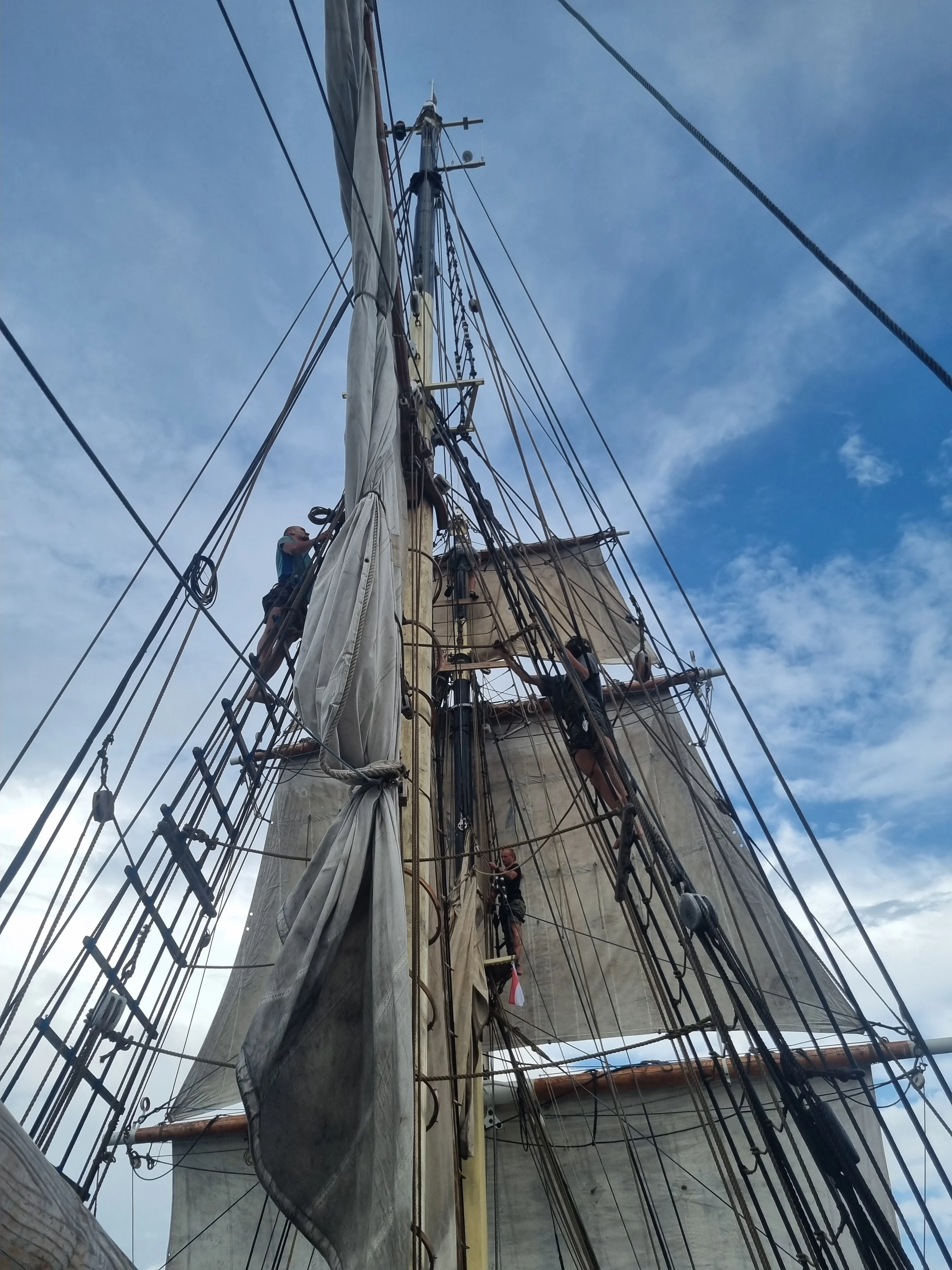
Greenhand on day one. Competent watchkeeper by week three. Trainee, not passenger.

Who has done this before you

Past NEPTUN trainees have ranged from 18 to over 70 years old, from gap-year students with no sailing in their family to experienced small-boat sailors taking their first ocean miles. Career-break professionals who hadn't held a halyard since school camp. Retired teachers who decided sixty was not too late. The common thread is reasonable health, a willingness to work as part of a crew, and the honesty to say when something is beyond you.

Read more about the kinds of people who join on our sail training crew page, or the path for younger trainees on gap year at sea.

What it costs and how to start

Trainee berths run at €79 per day shared-cost, covering bunk, meals, fuel, harbour fees, safety gear, and ship's insurance. Foreningen Neptun membership is €67 per year separate. The reason it isn't priced like a charter is that it isn't one, trainees pay to participate in operating the ship, not to be served by it.

Pick a leg that fits your calendar on the voyages overview and apply as trainee crew. We reply within a week. If you're nervous about a specific concern, write first, we'd rather have an honest conversation than send anyone aboard who shouldn't be there.

Pick a leg

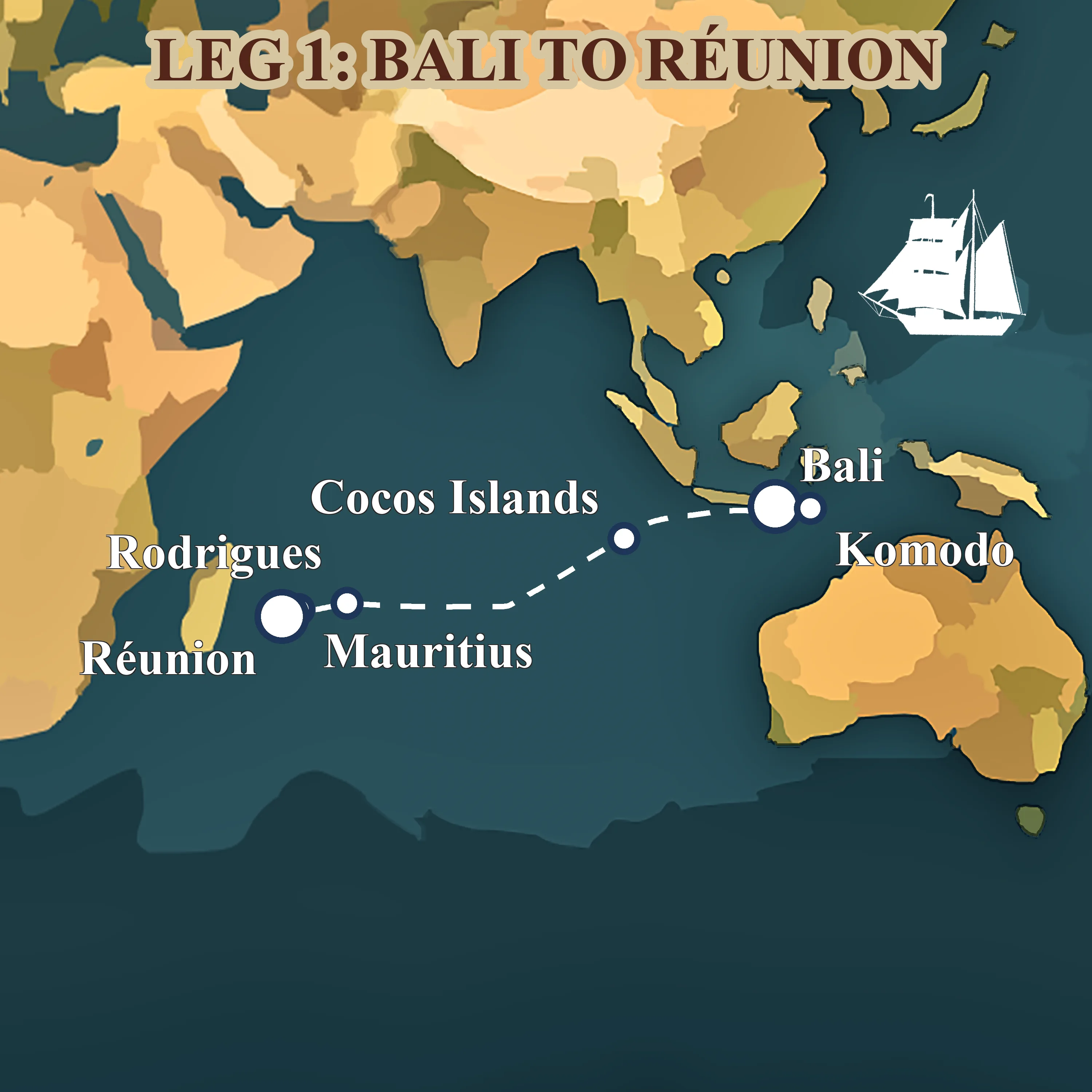
Beginner-friendly legs you can join

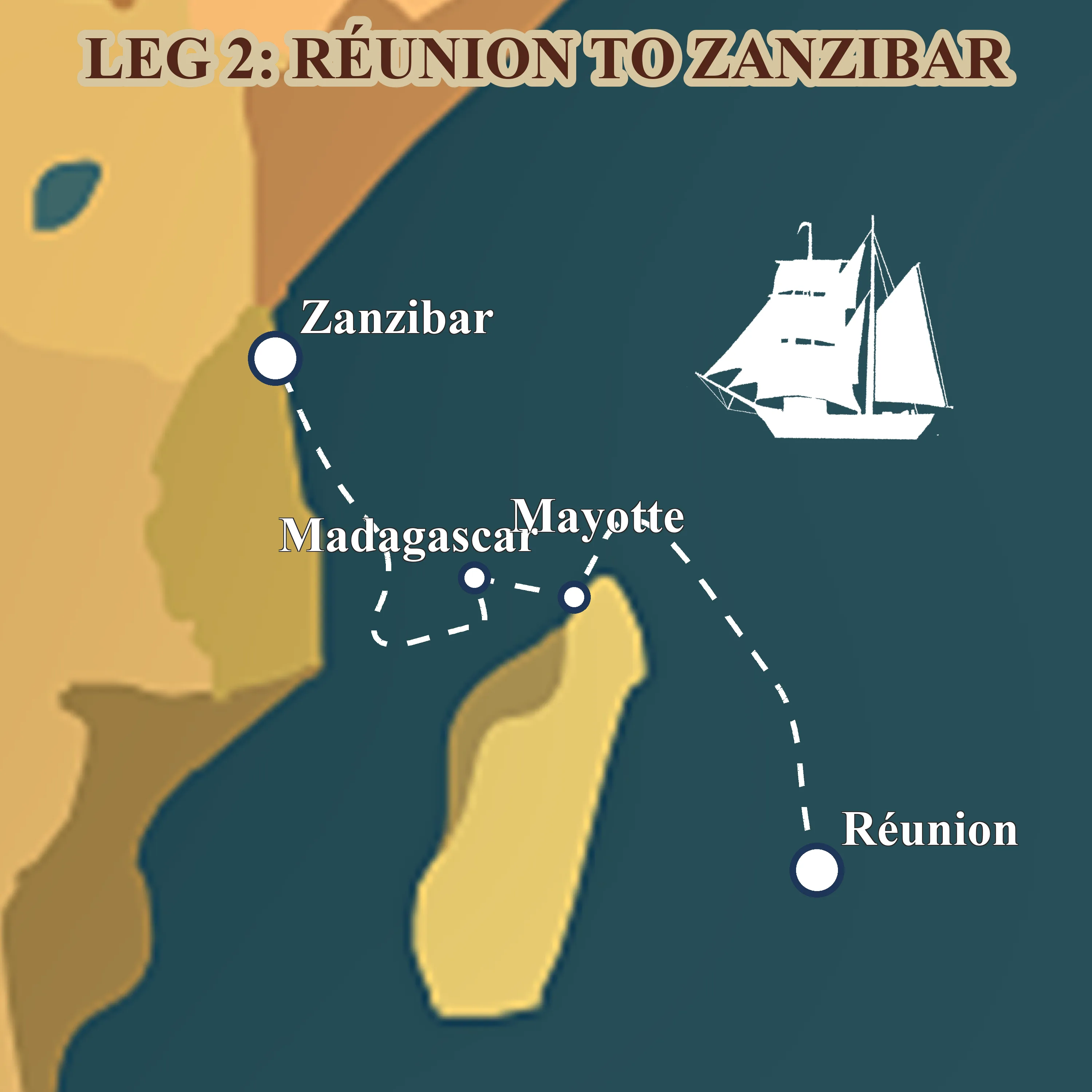
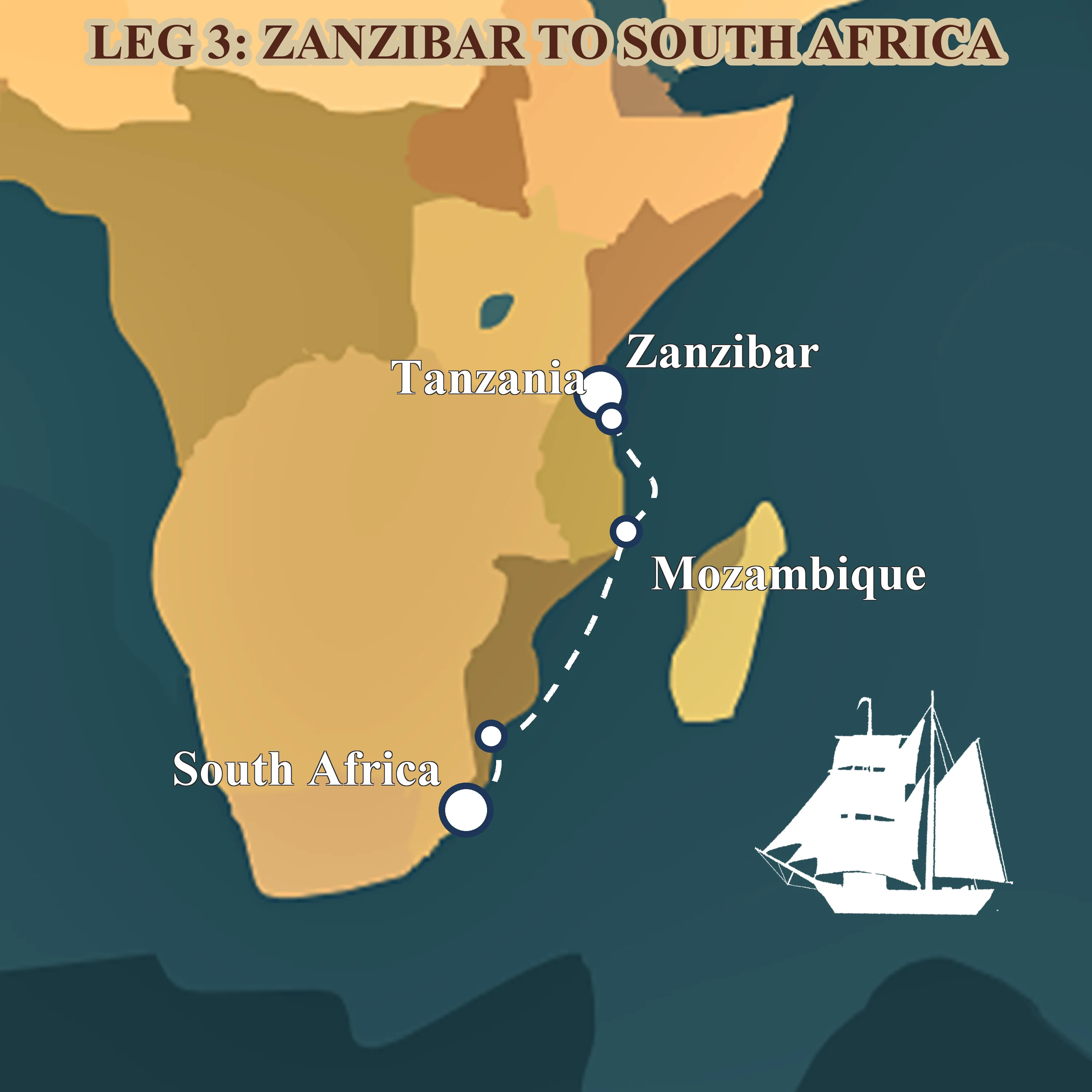
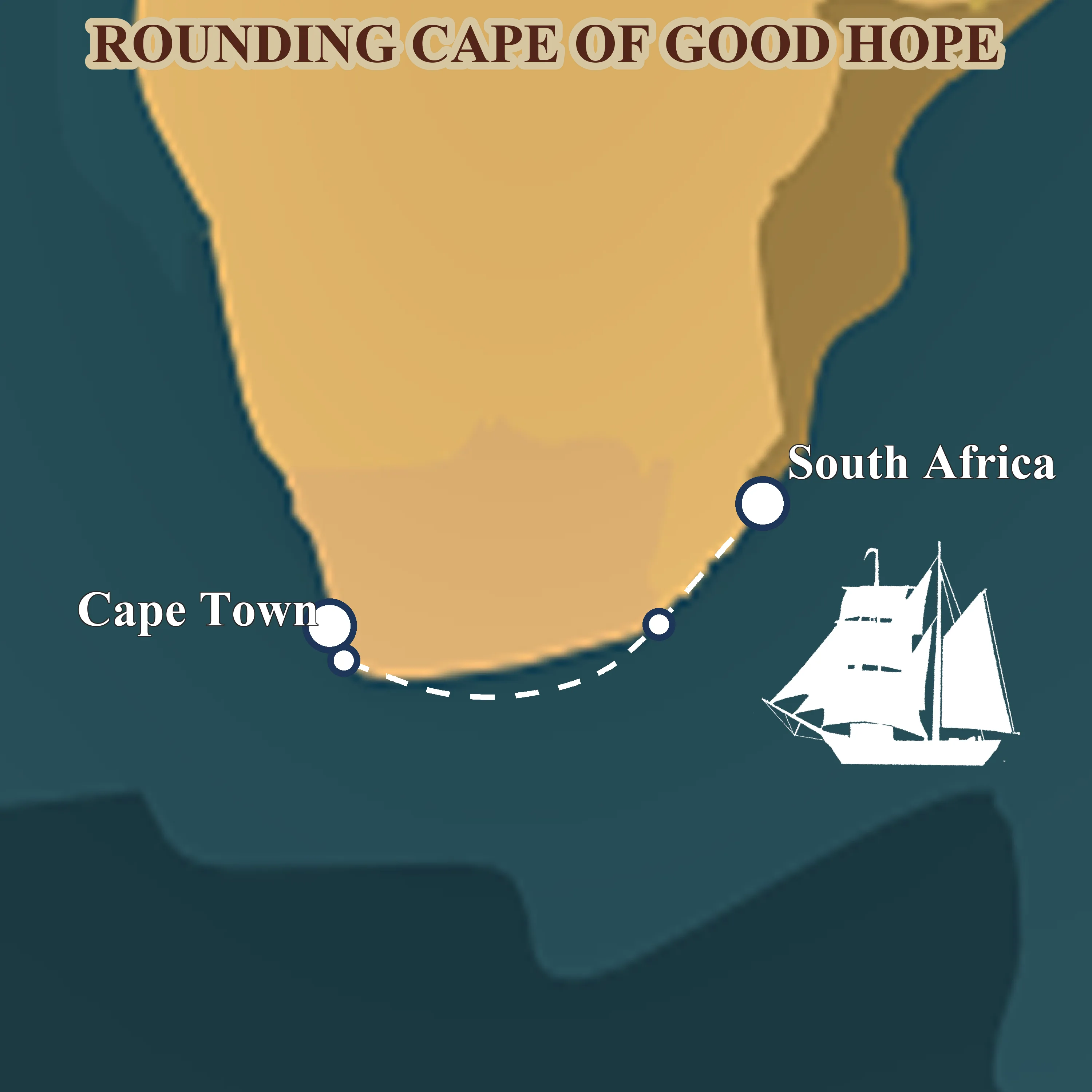
The 2026 Indian Ocean and South African legs are forgiving first voyages, steady trade winds, frequent landfalls, manageable distances.

Eileen, sail training crew

Eileen,
France · 24 yrs

Teaching you new skills among a very interesting and diverse community.

Sailing on Neptun is an amazing adventure, teaching you new skills among a very interesting and diverse community.

This has opened a lot of doors in my career as well as sparked a lot of new interests!

Frequently asked, sailing without experience

I'm 60+. Am I too old to join with no experience?

Almost certainly not. Past NEPTUN trainees have joined for the first time in their sixties and seventies with no previous sailing at all. What matters is reasonable mobility and stamina, being able to climb a ladder, stand a four-hour watch, move around the deck when the ship is heeled. We've had trainees in their seventies happily stand watches across the whole Atlantic. If you're unsure about your own fitness, write to us before you apply, we'll talk through the specific leg and what it demands.

What if I'm afraid of heights, do I have to go aloft?

No. Climbing the rig is offered to every trainee but never forced. Plenty of trainees complete full voyages without ever going above the lower ratlines, and the watch system doesn't require it, everything essential happens on deck. Most people who are nervous about heights at the start try a few steps up the shrouds by week two, decide for themselves, and stop whenever they want. There's no pressure and no judgement.

What if I get seasick badly?

Most first-time trainees feel rough for the first two or three days and then adapt, seasickness passes as the inner ear settles into the ship's motion. The ship carries standard anti-nausea medication, and the watch system is built so anyone genuinely unwell can rest below without leaving the crew short-handed. If you're prone to severe seasickness, tell us when you apply. We can suggest legs with gentler departures, and there are medical options (patches, long-acting tablets) that make a real difference.

Do I need to pass any test to join?

No. There's no sailing test, no swim test at the dock, no physical trial. The application is a short form and a brief conversation with our crew coordinator, we want to understand your motivation, any health considerations, and which leg fits your calendar. We do ask for a basic GP sign-off on longer ocean legs, because you'll be out of medical range for weeks, but that's a form your doctor fills in, not a test you pass or fail.

Will I really be useful, or just in the way?

You'll be useful. Within the first week you'll be steering under supervision, pulling on lines during sail changes, and standing proper lookout on watch. The ship is designed around trainee crew, the professional permanent crew is small, and the voyage depends on trainees doing real work. Nobody expects you to handle a square sail solo on day one, but by the end of your leg you'll have contributed real hours of real sailing. That's the whole point.

What if I hate it after a week?

It happens, rarely, and we plan for it. Most legs have at least one port stop partway through where someone can step off if the voyage genuinely isn't working for them. For pure ocean passages without intermediate stops (like the South Atlantic crossing), we talk very carefully with applicants beforehand to make sure the commitment is realistic. Honestly, the more common experience is the opposite, trainees who booked two weeks ask to extend to the next leg.

Can I join with a friend or partner?

Yes, and many trainees do. Couples, friends, parent-and-adult-child pairs all sail with us regularly. We can usually berth you near each other, though we can't guarantee a shared cabin, accommodation is shared by watch rotation and by sex, not by couple. Both people need to apply individually so we can match each of you to the right leg.

Ready to learn at sea?

Apply now