Tall Ship Adventure

Gap Year at Sea, Sail the World, Learn Seamanship

For gap-year students and sabbatical professionals. No experience needed. Real crew berth on a real ship.

Gap year at sea

Spend your gap year at sea on a working tall ship

Three to six months on the deck of a brigantine, sailing real ocean miles, learning real seamanship, becoming part of a crew. NEPTUN's nine-leg world voyage gives gap-year students the modular flexibility to sail a single leg, a season, or stitch together a full year-long arc.

Young trainee crew on deck of Brigantine NEPTUN

A gap year at sea, in numbers

Common
Trainees aged 18-22
2-7 wks
Typical leg length
€79
Daily shared cost
9
Available legs
Young crew on deck of Brigantine NEPTUN
Sailing crew at the helm
Shore leave during a NEPTUN voyage

Why a gap year at sea works

Backpacking Southeast Asia is its own kind of meaningful. So is volunteering in a school, or a research placement, or a season picking grapes in France. A gap year at sea gives you a different shape: six months of one thing, with a crew that depends on you, and a real seamanship education at the end of it. You don't browse destinations, you sail to them. You don't arrive somewhere and leave the next day, you arrive somewhere because you and twelve other people moved a 30-metre sailing ship there together.

NEPTUN's Sail Training Programme takes a complete beginner from Greenhand to Deckhand in roughly three weeks. A three-to-six month gap-year run typically reaches Ordinary Seaman, the level where you can take charge of sail handling and teach the next batch what you learned yourself. From the Sail Training Manifesto: "we have positions, not ranks". The captain washes dishes too.

What a gap year at sea actually looks like

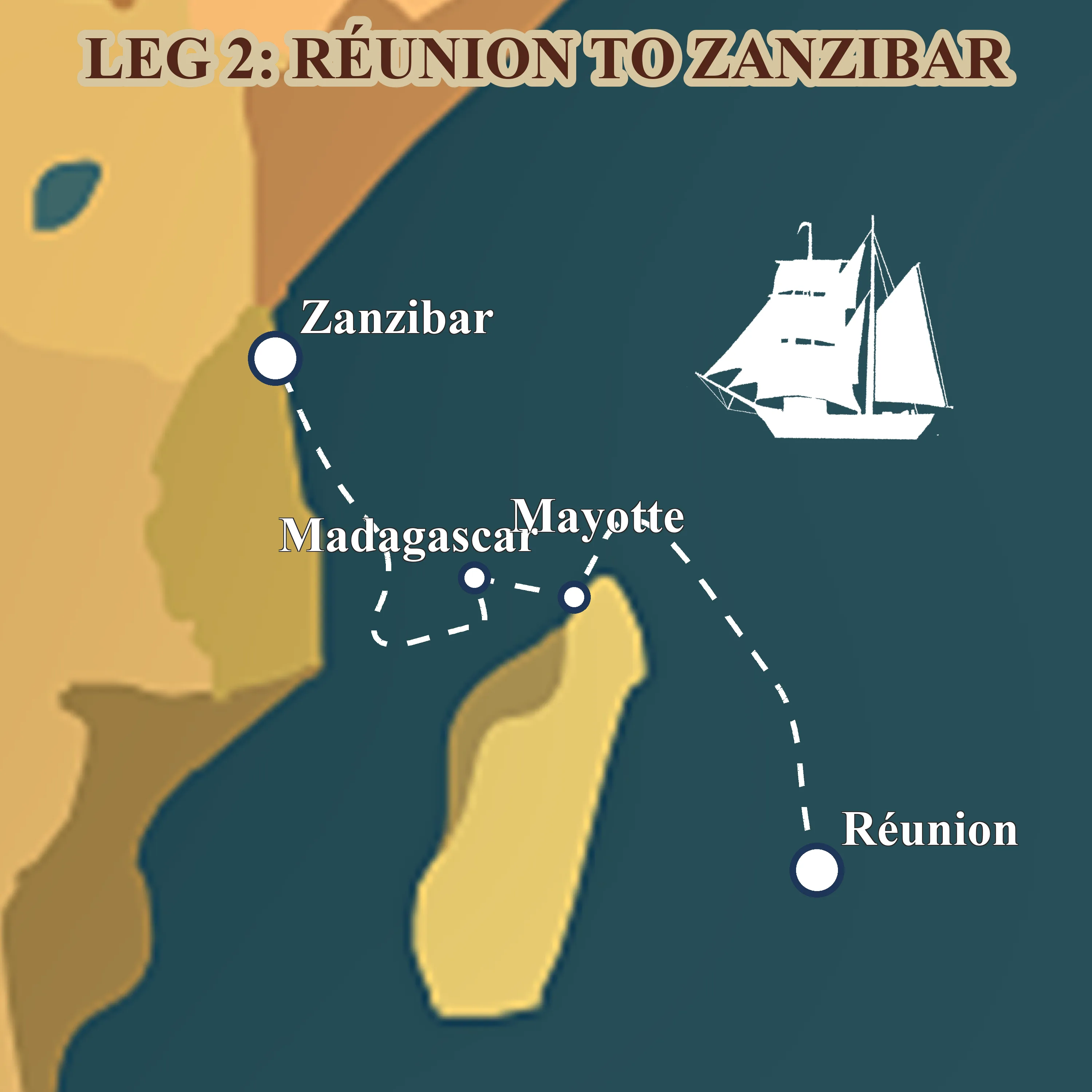
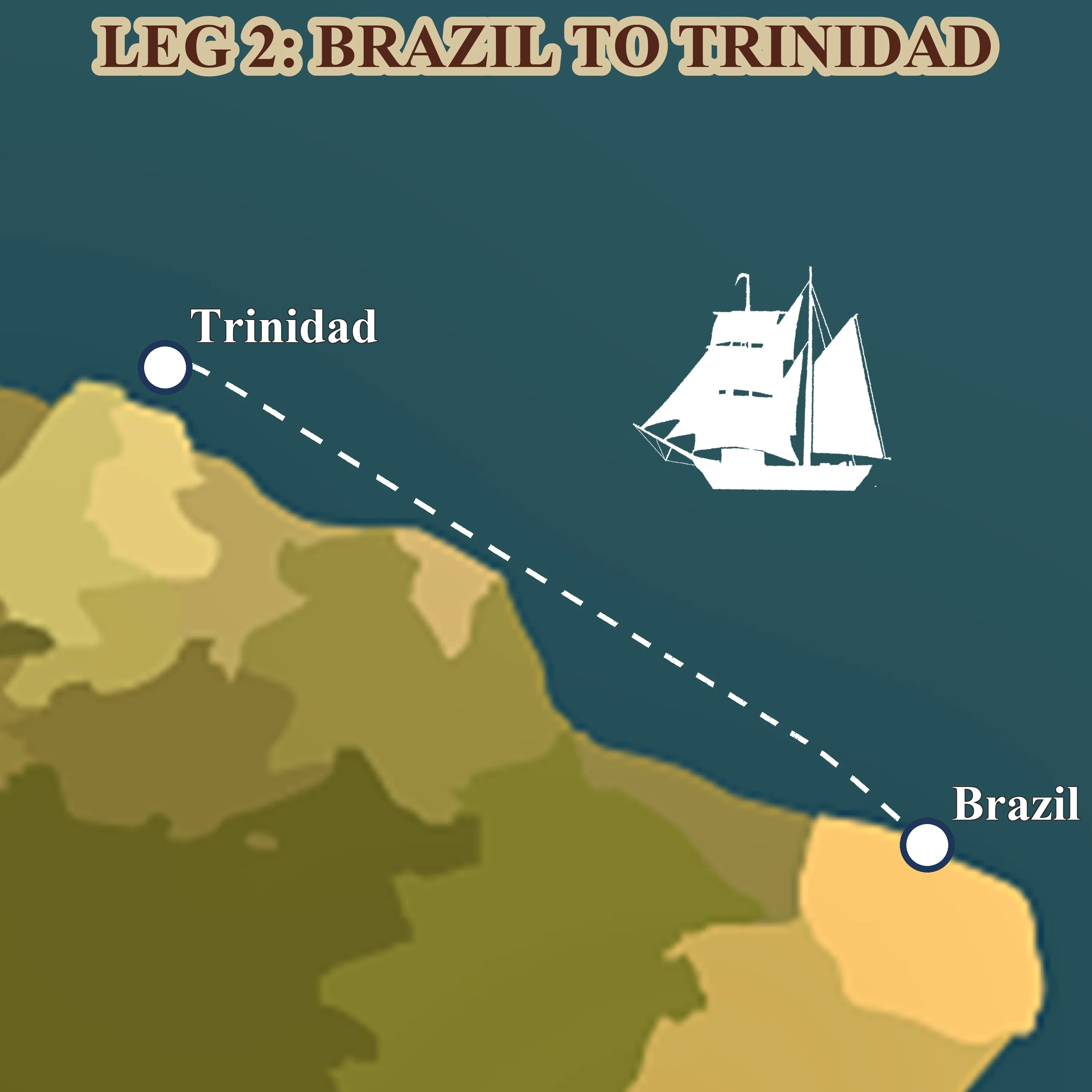
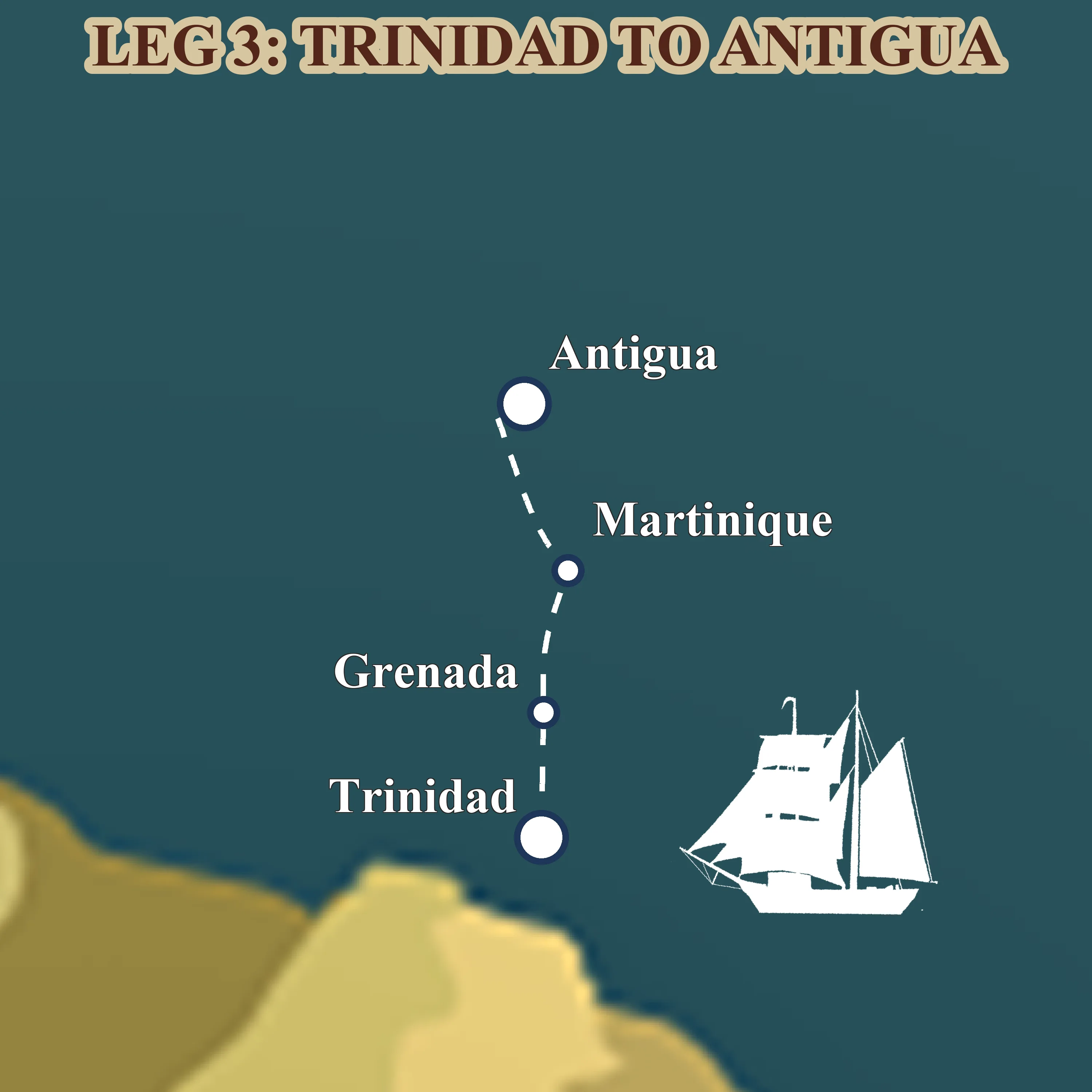
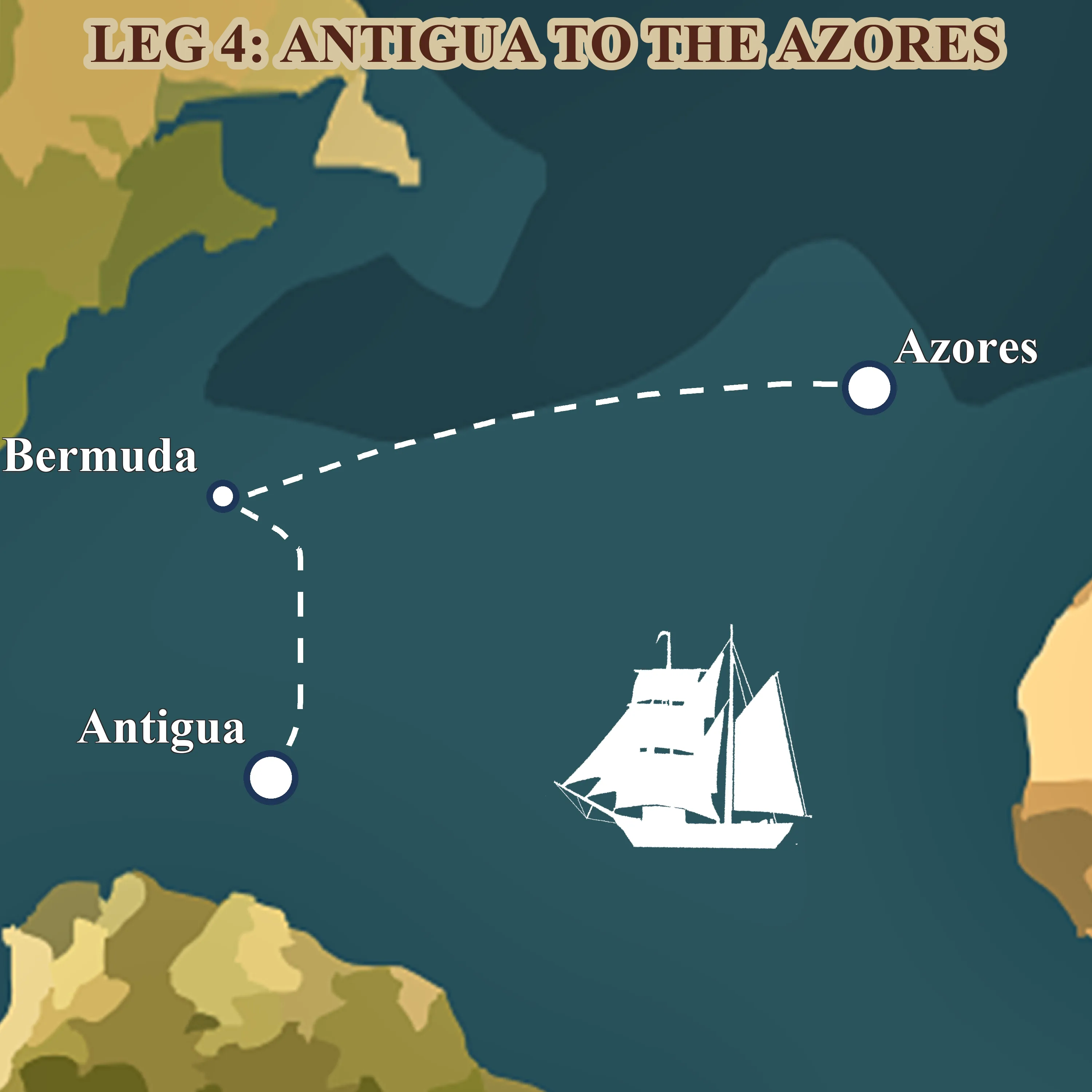
The 2026-2027 world voyage gives a gap-year student real options. Three legs back-to-back across a semester gives you Indian Ocean trade winds, the Cape of Good Hope, and Caribbean island-hopping in roughly four months. A six-month run can take in the South Atlantic crossing (44 days under canvas, equator at midnight, Saint Helena landfall) plus a Caribbean leg either side. Or join late and ride the spring transatlantic home to Europe.

You stand four-hour watches around the clock. You climb aloft (with safety harness) to set and furl square sails. You haul on halyards in the dark. You cook for fourteen in a galley that moves. You scrub heads. You sleep when you can. You teach the next-leg arrivals what you learned. By the end you have several thousand ocean miles in a logbook and a vocabulary your university friends will not understand.

Three to six months at sea. Real ocean miles. A crew that depends on you.

What it costs

Trainee berths run at €79 per day shared-cost, covering your bunk, every meal aboard, all sailing, fuel, harbour fees, safety gear, and ship's insurance. A three-week leg works out at roughly €1,650; a six-week run closer to €3,300; a full three-leg semester around €5,500-7,500 depending on legs chosen. Membership in Foreningen Neptun, the nonprofit foreningen that owns and operates the ship, is a separate €67 per year.

The reason it isn't priced like a charter is that it isn't one. Foreningen Neptun is a nonprofit, no shareholders, no margin, no commercial cruise line behind the rate. Trainees pay to participate in operating the ship, not to be served by it. See what sail training costs for the full breakdown.

How to plan a gap year at sea

Universities and gymnasiums in Denmark, Germany, the Netherlands and Scandinavia generally accept a gap year and many actively encourage it. Get your acceptance or deferral confirmed in writing before you sign the Articles of Crew Engagement. Talk to us about which legs fit your window, and combine a sailing leg with land travel before or after if you want broader scope.

No prior sailing experience required, see sailing without experience for the beginner's path. Read more about how to sail with us or apply directly, we reply within a week.


Pick a leg

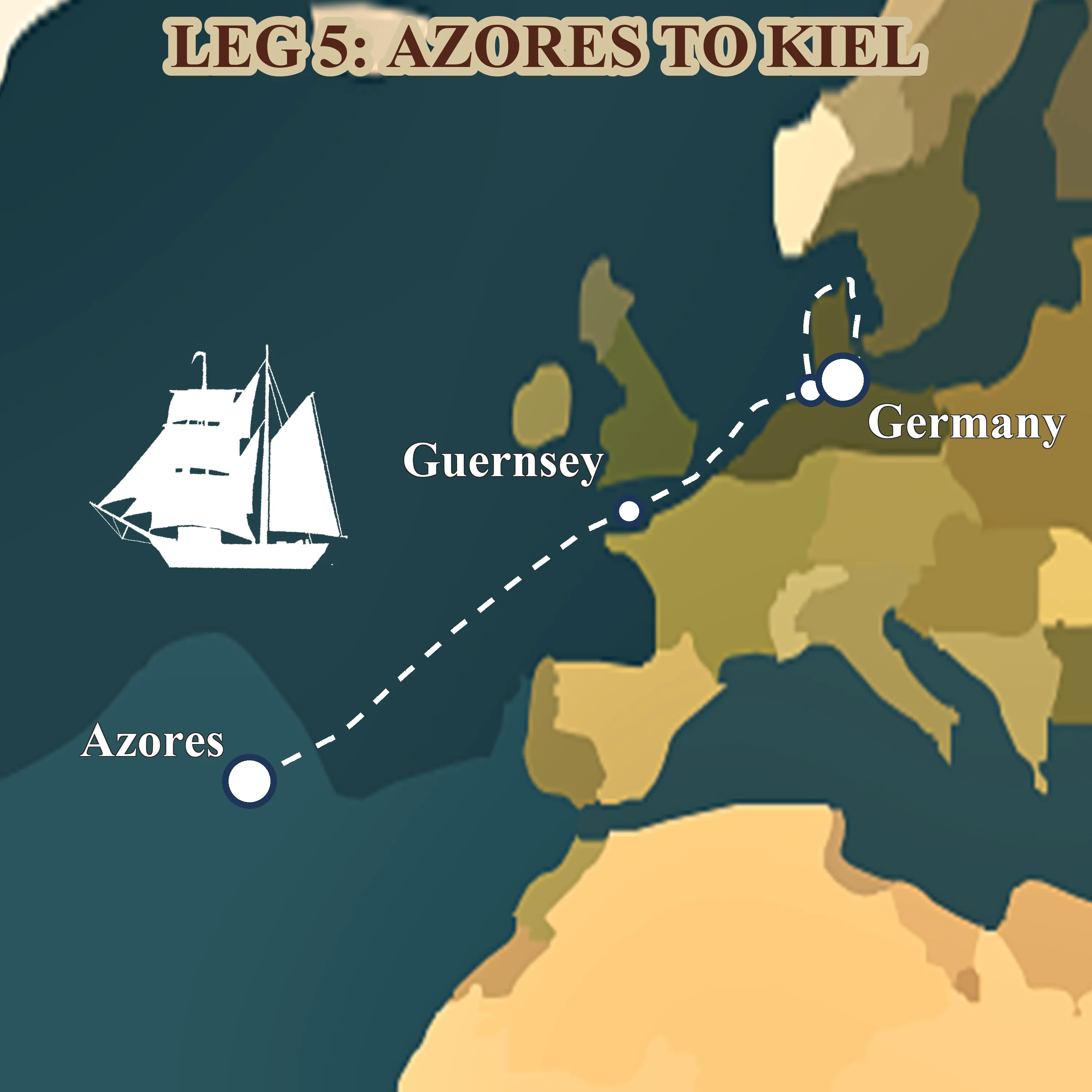
Gap-year voyage legs you can join

Combine two or three legs across a semester. Indian Ocean, Atlantic crossings, or the spring homecoming, pick what fits your gap-year window.

Eileen, sail training crew

Eileen,
France · 24 yrs

An amazing adventure, teaching you new skills.

Sailing on Neptun is an amazing adventure, teaching you new skills among a very interesting and diverse community.

This has opened a lot of doors in my career as well as sparked a lot of new interests!

Frequently asked, gap year at sea

How do most parents react when their kid says they want to spend a gap year at sea?

Surprised, usually, and then a lot of practical questions. Who runs the ship? Is it safe? What happens if something goes wrong? How much does it cost and what am I paying for? We answer all of those on the /faq and /sail-with-us pages, and we're happy to talk to parents directly, email us and a senior crew member will call. Most parents come round quickly when they see the nonprofit structure, the safety record, the age mix of past trainees (15 to 75), and the fact that their child comes home more capable, not less.

Can I do this without wrecking student loans, scholarships, or my place at university?

Yes, in almost every case, but you need to plan it. Most universities in Denmark, the UK, the US, Canada, and continental Europe allow a formal deferral of one year, write to the admissions office, ask for the exact policy, and get the deferral in writing before you commit to a voyage. Student loans usually pause if you're not enrolled; double-check with your loan servicer. Scholarships vary: a few are tied to continuous enrolment and can't be deferred, most can. Start these conversations at least six months before you want to sail.

I'm 35 and mid-career, is a sabbatical at sea realistic?

Realistic, yes. Easy, no. The technical side, getting approval for three to six months of unpaid leave, or structuring a clean resignation and re-entry, is harder than the sailing. Employers in Scandinavia, the Netherlands, and Germany are used to orlov; elsewhere you'll often need to negotiate or resign. What we can tell you is that every cohort we sail includes at least a couple of career-break professionals, they arrive exhausted, they leave rebuilt, and they go back to work with a better sense of what they actually want from it.

What happens if I get hurt or sick at sea?

The ship carries a fully equipped medical locker, senior crew trained in remote first aid, and a 24/7 telemedicine link to shore-side doctors on every passage. Serious incidents trigger a planned evacuation, the captain diverts to the nearest suitable port or coordinates with coastguards. You are required to carry comprehensive travel + medical insurance with repatriation cover; we'll send you the exact requirements during the application process. Minor stuff (seasickness, small cuts, colds) gets handled onboard without drama. The honest picture: incidents are rare, preparation is serious, and you are safer at sea on NEPTUN than you are driving to work.

Can I defer university to sail, and what do admissions officers actually think of it?

Admissions officers generally love it, provided you articulate what you got out of it. A gap year at sea reads on a university application as initiative, commitment, physical courage, teamwork under pressure, and exposure to a world most applicants have never seen. The trick is to own the story, include it on your CV, write about it in your personal statement if you reapply, and be ready to talk about specific skills (navigation, watchkeeping, living with a small crew in a small space for weeks). It's a better differentiator than a summer internship in almost every faculty we've heard back from.

Can I come back and do it again?

Yes, and many do. A meaningful share of our returning trainees started as gap-year crew, sailed again on a later leg two or three years into university or work, and a few have stepped up into professional positions aboard after enough sea time. If the first voyage is a taste, the second and third are where the seamanship really develops. Membership in Foreningen Neptun, the nonprofit that owns the ship, is renewable annually, and returning trainees are always welcome on a new leg.

How fit do I need to be before I show up?

Reasonably fit, not athletically fit. If you can walk for an hour without stopping, carry your own luggage up two flights of stairs, and climb a standard ladder without getting dizzy, you are fit enough to start. The ship will build the rest. Most trainees gain useful strength and stamina in the first two weeks, the work itself is the training. Read our guide on getting fit for a voyage in the knowledge base for a simple four-to-six-week pre-departure plan. If you have a specific condition, email us and we'll talk it through honestly.

Ready to spend your gap year at sea?

Apply now