Tall Ship Adventure

Sail Across the Atlantic as Crew

A real ocean passage on a traditional brigantine, no experience needed.

Tall ship adventure

Cross the Atlantic as crew, no experience needed

Three to six weeks of open-ocean sailing on a working brigantine. Watch rotation, square-sail handling, the equator at midnight, landfall in tropical Brazil or the green Azores. Two transatlantic crossings in 2027, both available as full legs.

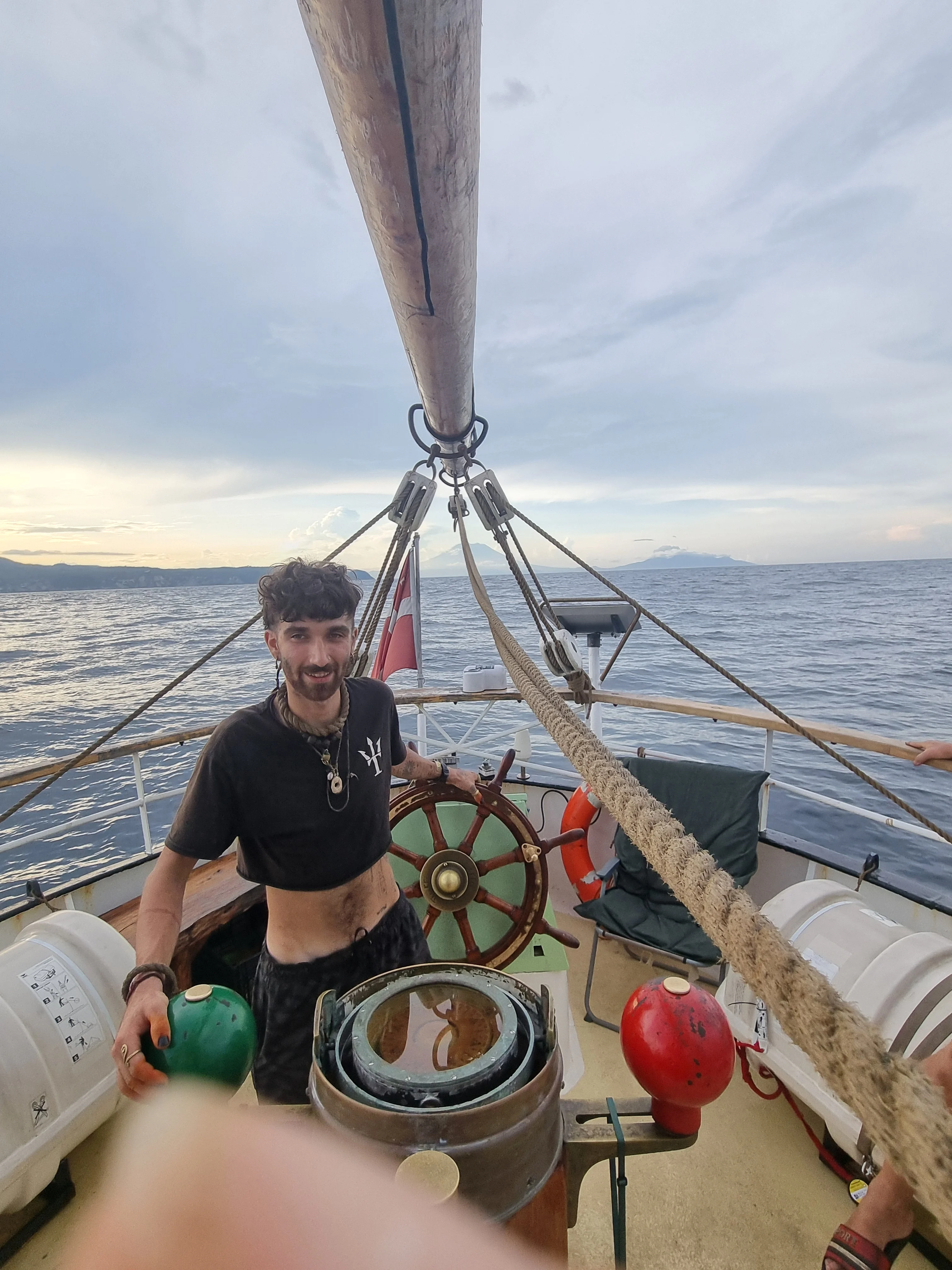
Crew at the helm of Brigantine NEPTUN under way

Two Atlantic crossings in 2027

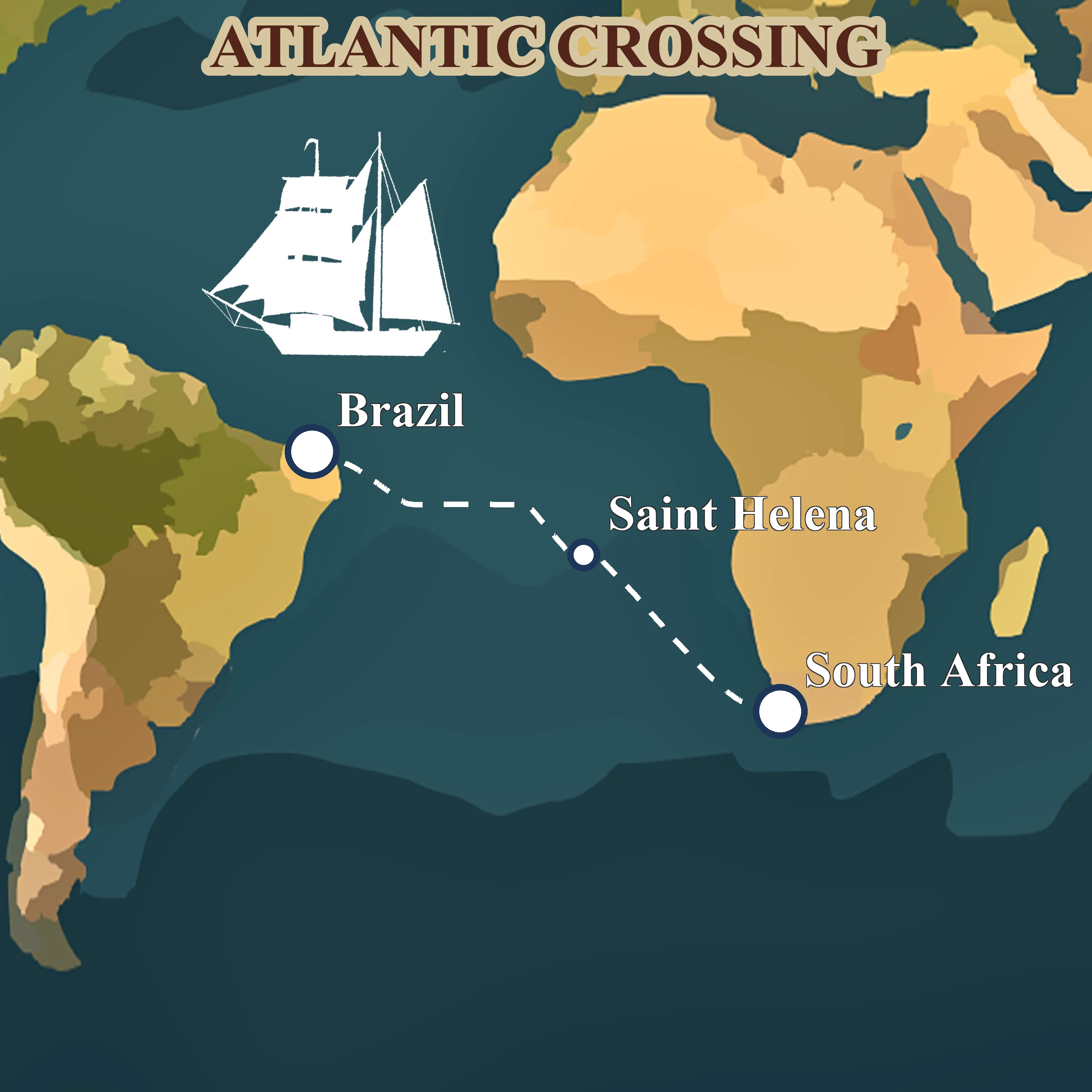
3,739 nm
South Atlantic
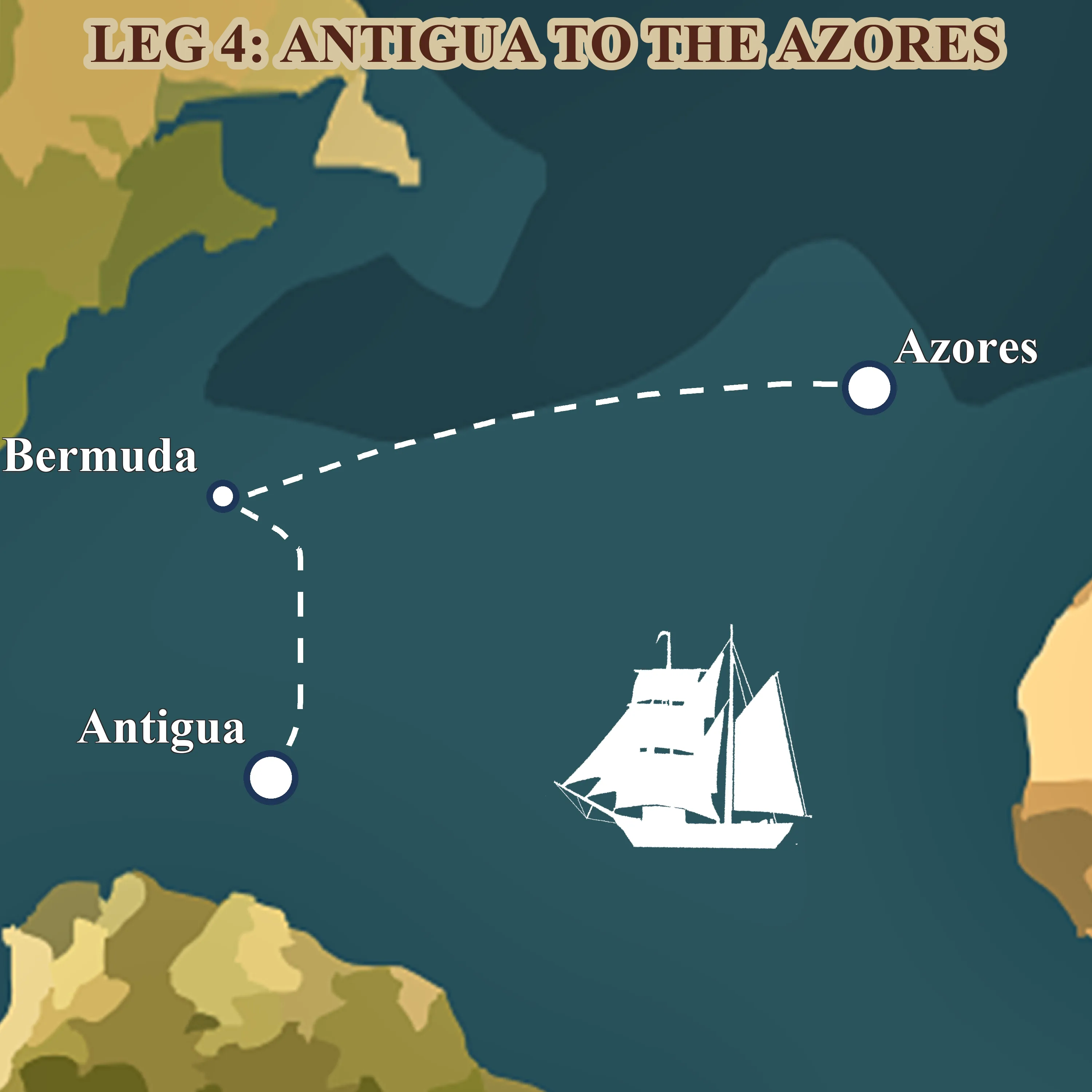
2,876 nm
North Atlantic
~44
Sail days (Leg 5)
~40
Sail days (Leg 8)
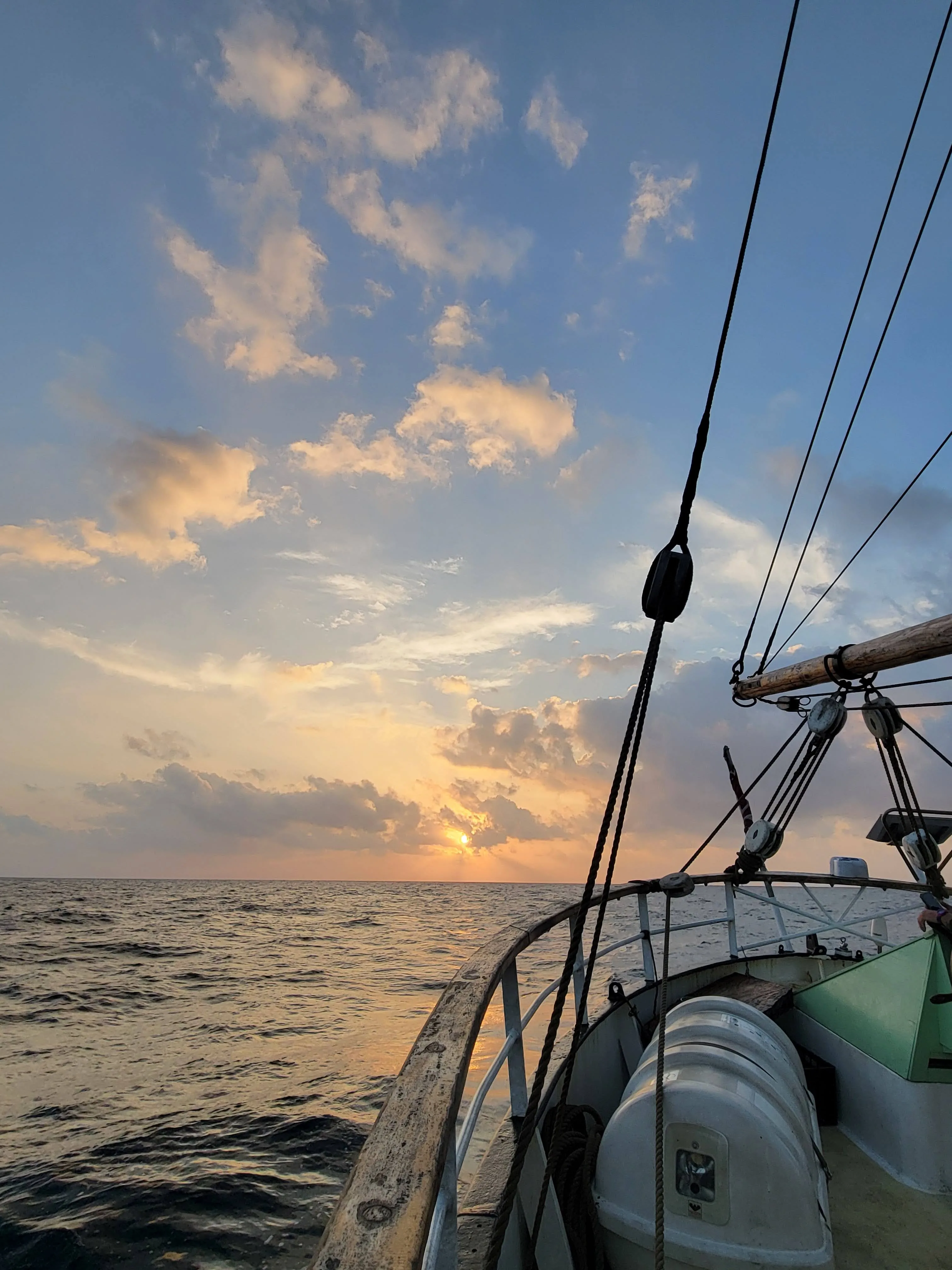
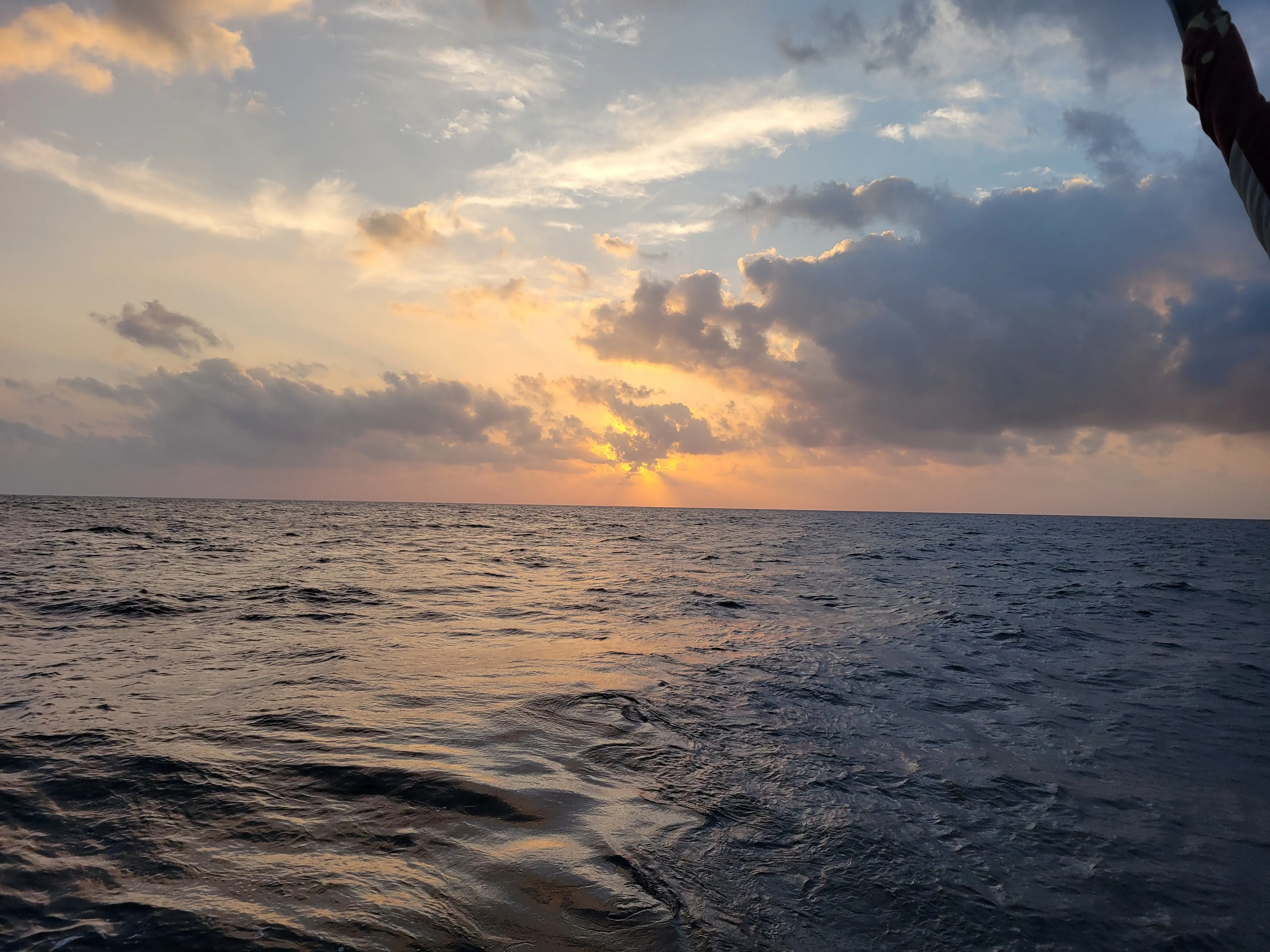
Open ocean sunset from the deck of Brigantine NEPTUN
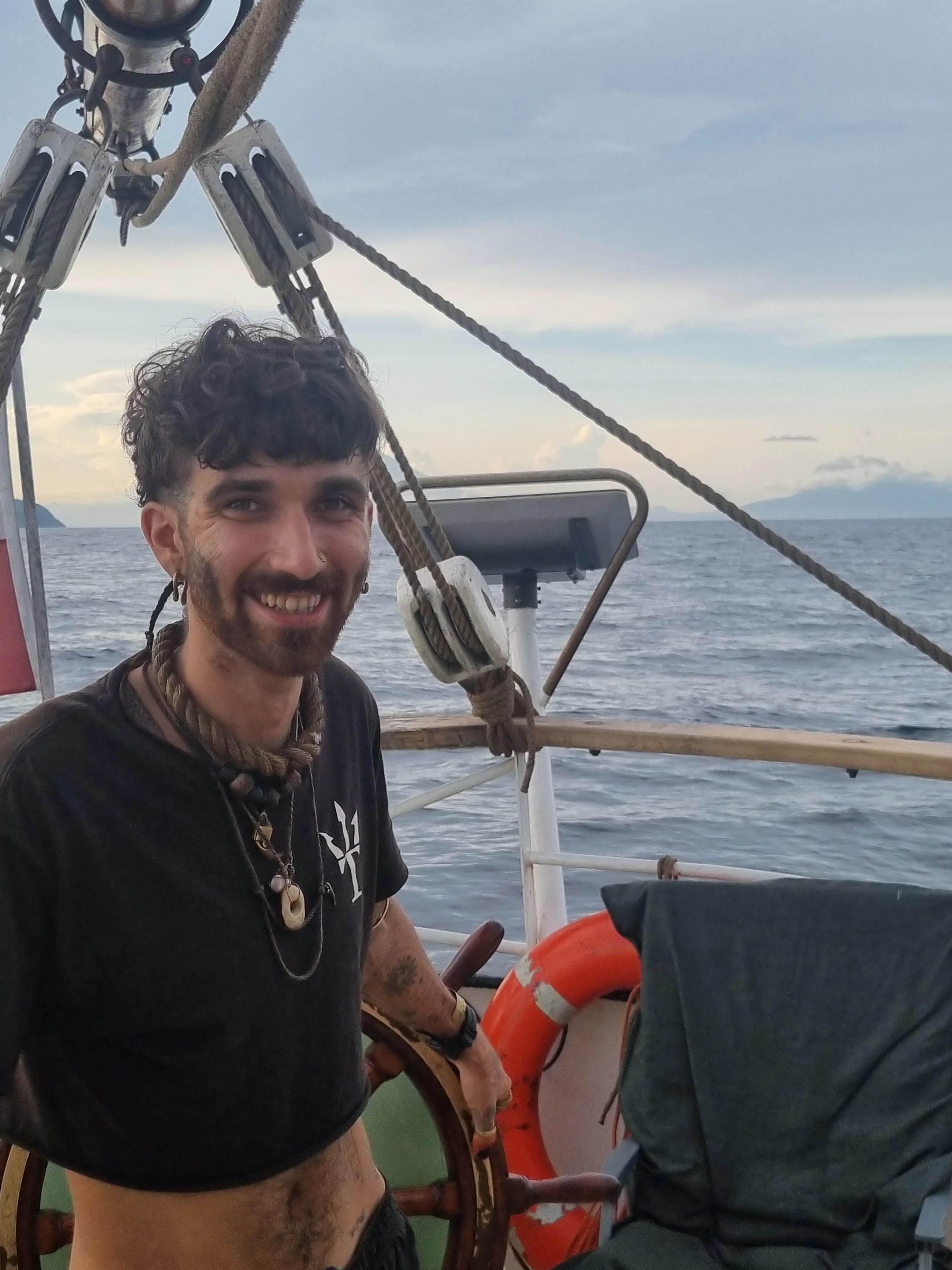
Helmsman steering Brigantine NEPTUN at the wheel
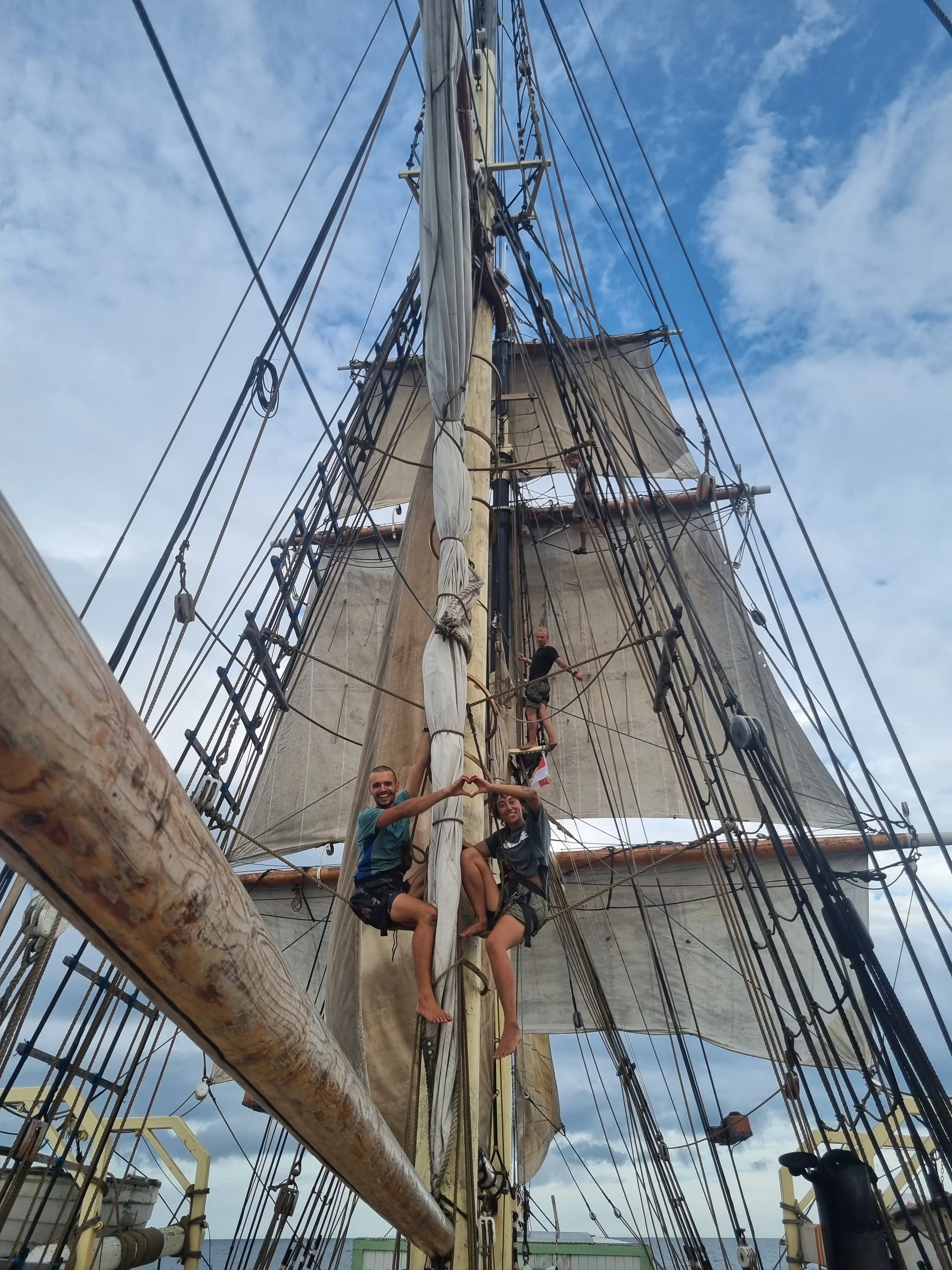
Crew working aloft on the yards of Brigantine NEPTUN

What an Atlantic crossing is actually like

To sail across the Atlantic ocean on a brigantine is to spend three to six weeks in a world that stops when you leave the dock. The last green coast falls behind. The swell deepens. The ship settles into the watch rotation, four hours on deck, eight below, and that rhythm becomes your life until the next landfall.

Days blur in a way they never do on land. You wake for a 04:00 watch, steer for an hour under a sky full of stars, trim the mainsail when the wind shifts, and hand over at 08:00 smelling of salt and coffee. You sleep through lunch. You get up, you read, you help with a sail change, you eat dinner with the crew, and you're back on deck at 20:00 for the long evening watch. Days of the week stop mattering. The date on the chart is the only calendar that counts.

Open-ocean sailing is also full of life you never see from land. Dolphins ride the bow wave for hours. Whales surface off the beam, blow once, and disappear. Petrels and shearwaters stitch the waves behind the ship for thousands of miles. And then one morning the watch on deck shouts "land ho" and a low grey smudge lifts over the horizon, and every ordinary thing about life on land feels like a small miracle. That's the moment most Atlantic crossers come back for.

Our two Atlantic crossings

Brigantine NEPTUN crosses the Atlantic twice during the 2027 season: a forty-four-day South Atlantic crossing in the first quarter, and the classic North Atlantic trade-wind run home in late spring.

Leg 5, Saldanha Bay to Fortaleza (2 January to 14 March 2027). Forty-four days of continuous trade-wind sailing with a single port call at Saint Helena, Napoleon's island, one of the most remote inhabited places on earth. The equator crossing happens about halfway. 3,739 nautical miles, almost all of it downwind. The arrival in tropical Brazil after six weeks of ocean is one of the great landfalls in modern sailing.

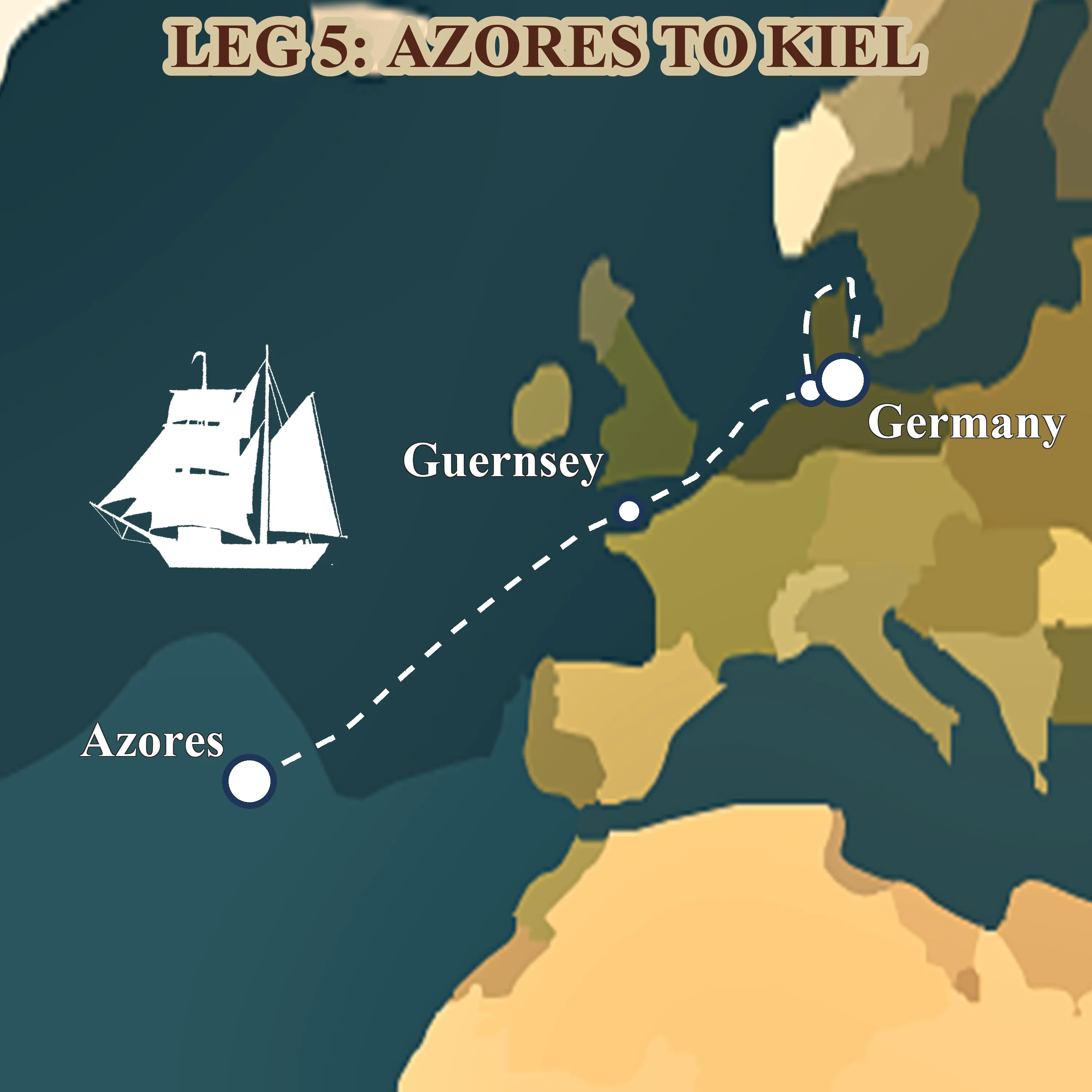
Leg 8, Antigua to the Azores (20 May to 15 July 2027) is the spring homecoming passage that generations of European tall ships have sailed. Antigua to Bermuda for provisioning, then the long reach east to Ponta Delgada. 2,876 nautical miles of North Atlantic with more variable weather than the southern crossing. Leg 9 closes the voyage from the Azores through Guernsey and Helgoland to Kiel on 25 August.
Three to six weeks at sea. Trade winds. Star navigation. The honest way across.

No experience needed

An Atlantic crossing sounds like something you should already know how to do before you sign up. You shouldn't. NEPTUN is a sail training ship, which means the whole point is to teach you, during the passage, on watch, with the people who are doing it alongside you. The first week is a fast learning curve. By week two you're setting sails as part of the watch, standing a helm trick in rougher weather, and starting to understand what the weather routers are saying. By landfall you have a couple of thousand ocean miles in a logbook.

Read more about how beginners actually handle long passages on sailing without experience, or our deeper guide to learning traditional seamanship.

What you'll learn on an ocean crossing

A transatlantic passage teaches you more in a month than a season of weekend sailing. The reason is simple: the ship doesn't stop. You'll handle traditional rigging, square sails forward, fore-and-aft aft, the whole inventory of a brigantine. You'll learn to set, reef, and strike sail in a seaway. You'll steer to a compass course, then to wind, then by stars. You'll take sights with a sextant. You'll keep a proper deck log. You'll whip the end of a three-strand line so cleanly the boatswain nods at you.

More than the skills, you'll learn to live inside the discipline that keeps a sailing ship safe. That's the real curriculum of traditional seamanship, taught on our sail training programme.

Crossing dates and costs

Trainee berths run at €79 per day, covering your bunk, all meals, fuel, harbour fees, safety gear, and ship's insurance. Membership in Foreningen Neptun, the nonprofit foreningen that owns and operates the ship, is a separate €67 per year. The reason it isn't priced like a charter is that it isn't one. Trainees pay to participate in operating the ship, not to be served by it.

Per-leg pricing varies by length and route. The 2027 voyage page lists current rates and availability. A Caribbean leg often pairs well with an Atlantic crossing, see sailing in the Caribbean for the legs that build experience before you leave the islands behind.

Evan Huggett

Evan Huggett,
South Africa

My experience was life changing.

I learned so much and made some very close friends around the world. We are still in contact.

I would recommend going on Neptun if you want to have some fun and learn great sailing tips and tricks, and experience the world with a different view.

Everybody was very kind and friendly and very helpful when you needed any help or advice or just an ear to listen.

Thank you Neptun for a great and life-changing experience.

Frequently asked, Atlantic crossing

How long does an Atlantic crossing take?

It depends on the route and the weather. Brigantine NEPTUN's South Atlantic leg from South Africa to Brazil is roughly 44 days of continuous sailing, with one stop at Saint Helena. The North Atlantic leg from Antigua to the Azores runs around 40 days of sea time with a stop at Bermuda. For most trainees this means three to six weeks at sea per passage, depending on which leg you join and how many port stops you count.

Do I need sailing experience to join an Atlantic crossing?

No. NEPTUN is a sail training ship, and most trainees who cross the Atlantic with us have never sailed offshore before. You'll stand watches under the supervision of experienced crew, learn to handle lines and helm in your first days, and build up to setting square sails and reading weather during the passage. What matters is that you're in reasonable health, willing to work as part of a team, and comfortable with the idea of being out of sight of land for weeks at a time.

What happens if I get seasick?

Most people who get seasick on an Atlantic crossing feel rough for the first two or three days and then adapt. The ship carries standard anti-nausea medication, and the watch system is designed so that anyone unwell can rest without leaving the crew short-handed. If you're prone to seasickness, talk to us before you apply, we can suggest leg choices with gentler departure conditions, and we can help you prepare. It's very rare for a trainee to stay sick for the whole passage.

What do I actually do at night on a crossing?

The ship sails twenty-four hours a day. The crew is split into watches, typically four hours on, eight hours off, so everyone takes a share of the night. A night watch means steering, trimming sails, keeping lookout, logging position, and making cups of tea for the people coming on next. Off-watch you sleep. The rhythm sounds harsh in writing but settles quickly; by the end of the first week, most people find the night watches some of the best hours of the trip, quiet, starlit, and strangely intimate.

Which Atlantic crossing is right for me, South or North?

The South Atlantic leg (Saldanha Bay to Fortaleza via Saint Helena, January–March 2027) is warmer, longer, and more remote. You cross the equator, see Napoleon's island, and land in tropical Brazil. The North Atlantic leg (Antigua to the Azores via Bermuda, May–July 2027, continuing to Kiel on Leg 9) is the classic European homecoming route, shorter sea passages, more variable weather, and landfall in Europe at the end. Look at both on the year pages and pick the one that fits your calendar and your taste.

What happens if we hit a storm?

You ride it out. NEPTUN is a steel brigantine built for ocean work, with professional captains who plan routes to avoid the worst weather windows and shorten sail well before a front arrives. In heavy weather the watches keep running, but the ship is battened down below, cooking moves to cold food, and non-essential work stops. It's uncomfortable and loud and occasionally scary, but the ship is in her element. Every long-distance trainee has at least one gale story by the time they get home.

Will I be prepared for the open ocean by the time we leave?

Yes. Each leg starts with several days of ship briefings, safety drills, rig familiarisation, and short shakedown sails before the passage begins. You won't leave the dock without knowing how to put on a harness, where the lifejackets are, how the watch system works, and what your job is when things get busy. The real deep-water skills come during the first week at sea, with patient teaching from people who have done this many times before.

Pick your crossing

Atlantic crossing legs you can join

Three of NEPTUN's nine legs are Atlantic crossings: Cape Town to Brazil, Antigua to the Azores, and the Azores homecoming to Kiel.

Ready to cross the Atlantic?

Apply now