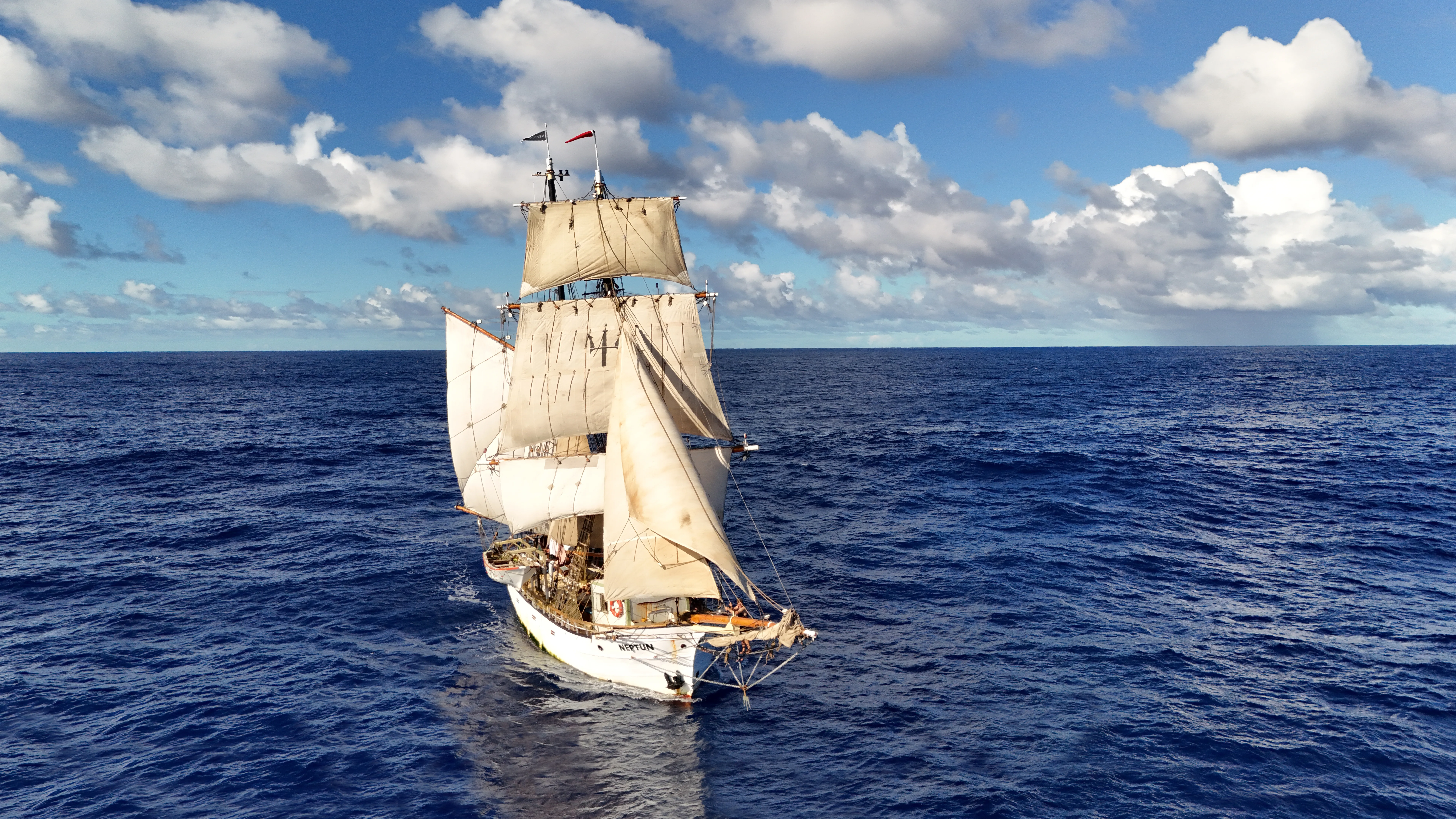
At 03:55 the deckhouse smells like coffee and last night's bread. A day at sea tall ship routine begins not with a sunrise but with a watch change, four hours on, eight hours off, three times around the clock. This is what life aboard a tall ship actually feels like, hour by hour, written for the reader on the fence about applying. It is not a brochure. The coffee is bitter, the bunks are small, the night sky is astonishing, and the rhythm will remake your relationship with time. By the end you'll know whether this is for you.
See it yourself
A typical week at sea
Before you read the schedule, watch James's weekly update from the ship, two minutes of what a week underway actually looks like. Watches, sail handling, the morning coffee on the binnacle. Every leg of the 2026-2027 voyage runs this rhythm. Ready to be part of it? Apply for a berth.
On this page
- Why a tall ship runs on a 4-on / 8-off watch
- 04:00, the morning watch
- 08:00, breakfast, Happy Hour, and the shift change
- 10:00–12:00, sail trim, the plot, and the noon sight
- 12:00–16:00, the afternoon watch
- 16:00–20:00, the dog watch
- 20:00–04:00, the night watches and the sky
- How this differs from yacht cruising
- FAQ
- Read also
Why a tall ship runs on a 4-on / 8-off watch
Neptun runs a three-watch system, red, white, blue. Each watch stands four hours on deck, then has eight hours off before the next rotation. That cycle repeats across the 24 hours of a day at sea. It is the same pattern used on almost every sail-training vessel afloat, and it is older than most navies.
A cruising couple on a 45-foot yacht often runs two watches, four-on, four-off, because there are only two of them. A tall ship with 10–15 trainees plus professional crew can afford three. The gain is real sleep: eight hours off, rather than four, means your off-watch actually restores you by day two. The cost is that you will be on deck at 04:00 one day in every three.
For a deeper explanation of how the 3-watch rotation is built, there is a full article in this knowledge base. The short version: the watches rotate, the dog watch (more on that below) shifts them, and nobody ends up always drawing the worst shift.
Structure
The shape of a watch
Three watches
Red, white, blue, you belong to one for the whole leg.
4 on / 8 off
Four hours on deck, eight hours off. Enough sleep if you use it.
10–15 trainees
A real crew, someone is always awake, nobody is alone.
Dog watch rotates
A split four hours keeps anyone from always drawing the midnight shift.
Apply for a berth on the 2026 voyage →
04:00, the morning watch
Morning watch
First light from the yards
Eight bells. The off-going watch hands you the log, the bearing, the sail plan, the weather, and anything the mate said that you need to know. The first thirty minutes are spent walking the deck: checking sheets, checking preventers, reading the wind off the sails. By 05:30 the horizon begins to separate from the sea. By 06:00 in the tropics, the sun is up and the galley has coffee on.
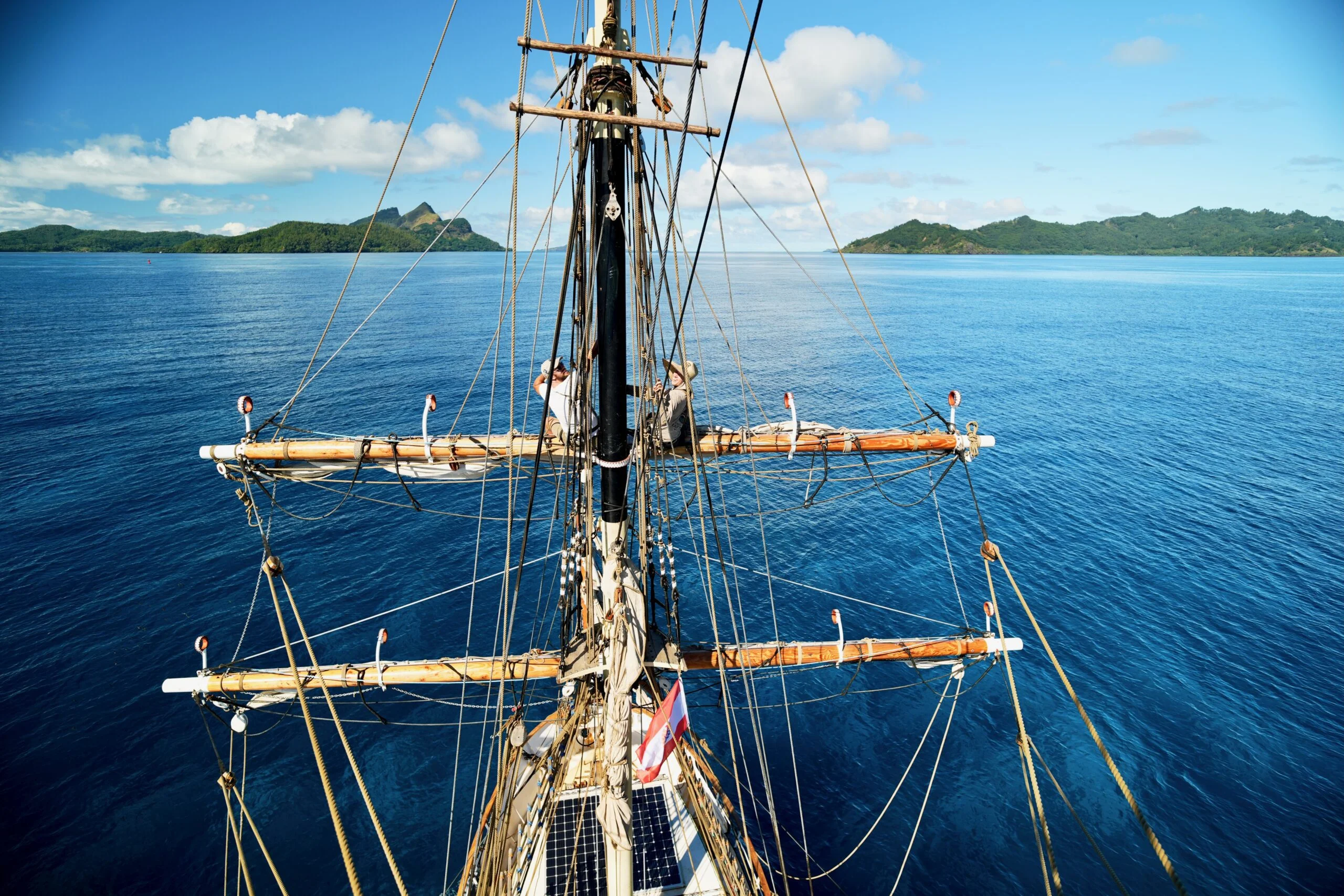
The morning watch is, by a comfortable margin, the favourite of most trainees who make it through the first three days. The ship is quiet. You are on deck with three or four people you have come to know at an unusual speed. The stars fade one by one. Someone always breaks the silence by saying they cannot believe this is their job for the next week.
Half an hour before the watch ends, the mate asks you to set or strike whatever sail the morning demands, a staysail as the wind backs, a reef shaken out as it steadies. That's how you learn. Nobody lectures you. You do it, and it is done.
Ready to stand a morning watch? Apply for a berth.
08:00, breakfast, Happy Hour, and the shift change
Eight bells again. The on-going watch relieves you. Breakfast is served in two sittings because somebody has to be on deck: oats, eggs, fresh bread the cook baked overnight, fruit while the passage is young. The ship's cook feeds 15 people three hot meals a day from a galley the size of a small bathroom.
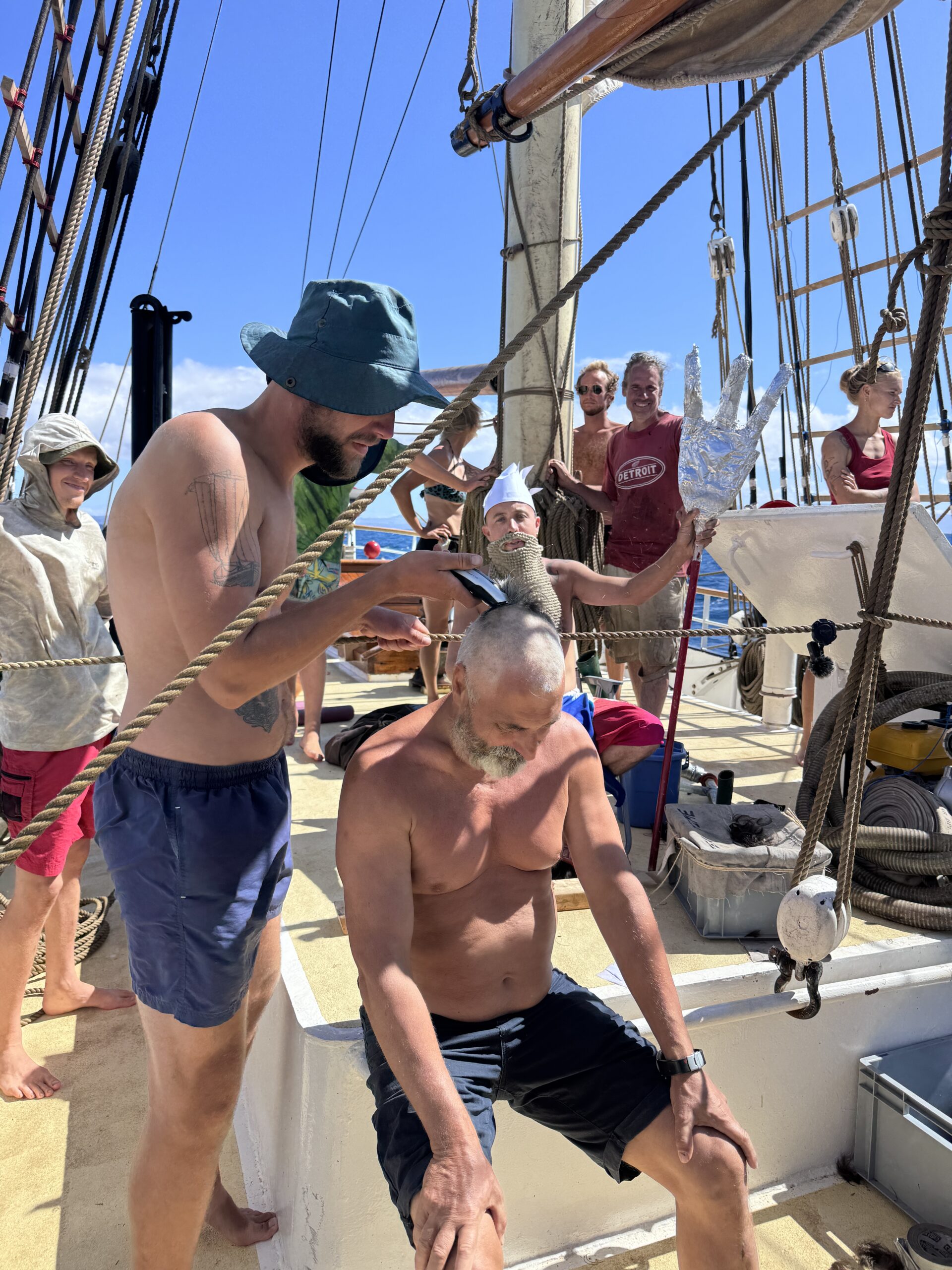
Then Happy Hour. It is not a bar. Happy Hour on a tall ship is a one-hour window, usually 08:30 to 09:30, when everyone cleans. Galley, heads, passageways, deckhouse, saloon. The name is older than the drinks tradition. One trainee per watch rotates onto mess duty each 24-hour cycle, but the routine cleaning is collective. A clean ship is a safe ship. It is also, quietly, how a group of strangers becomes a crew.
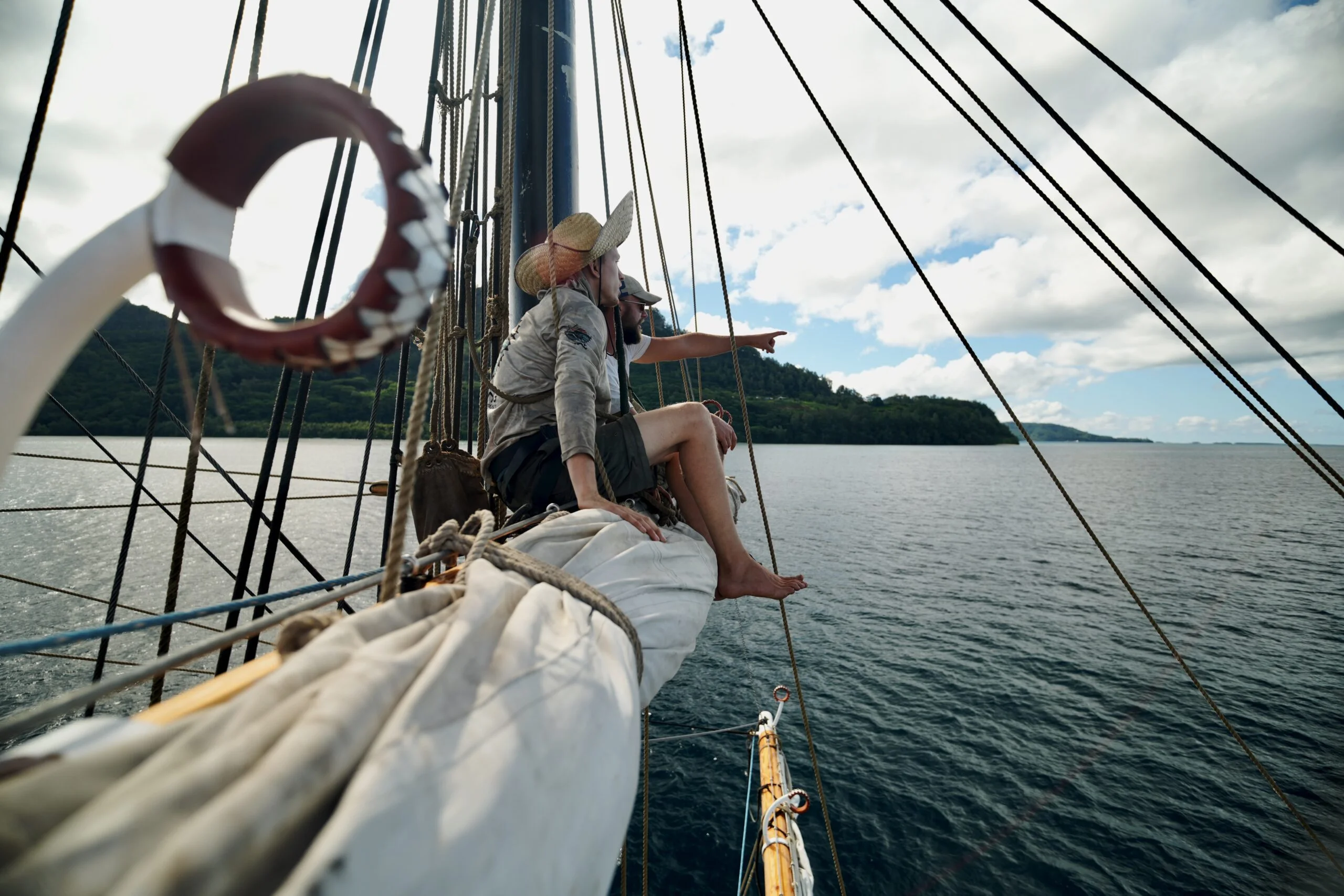

Where you'd sail this rhythm, 2026 legs
Every leg runs the same watch pattern. Pick one that fits your dates.
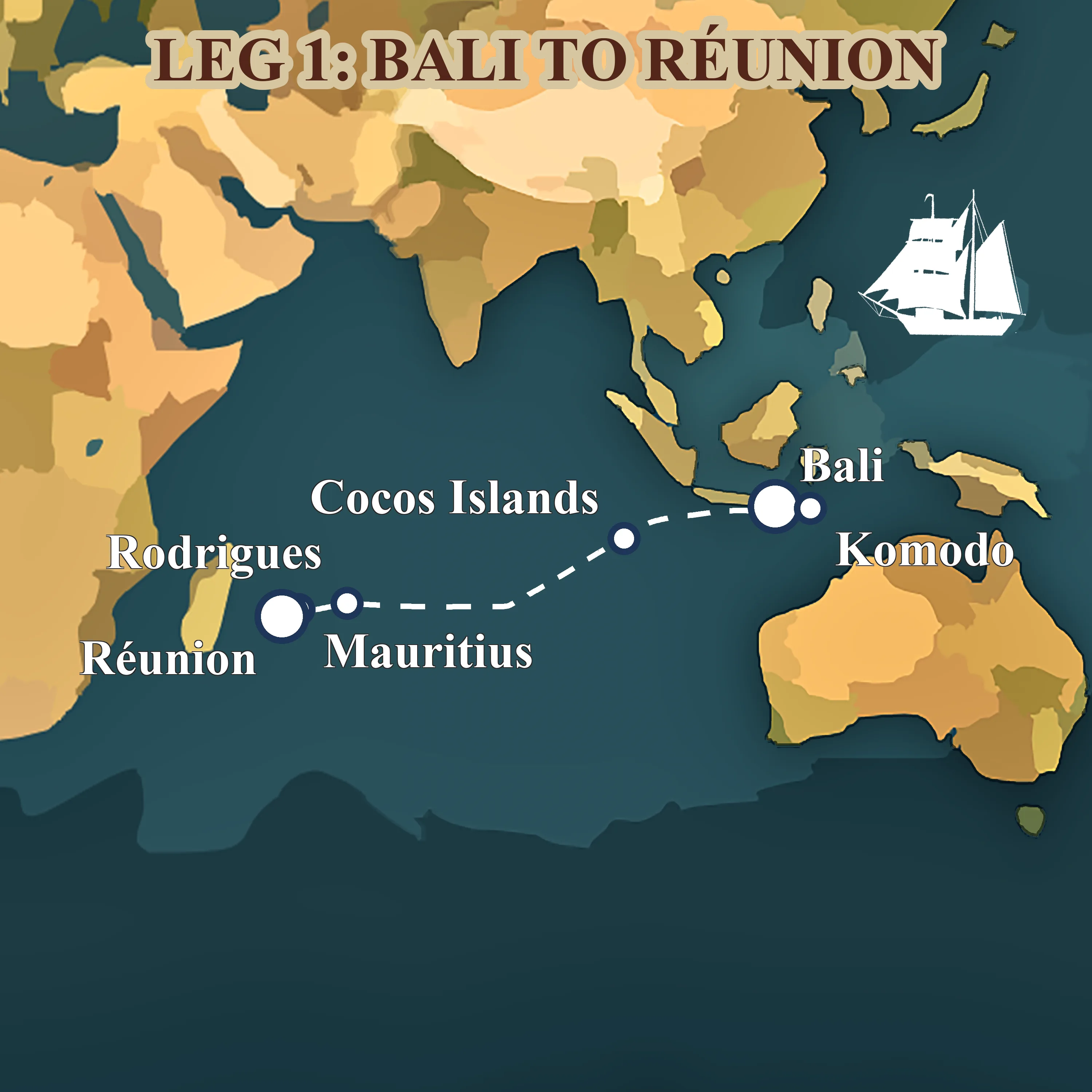
Leg 1: from Bali to Réunion across the Indian Ocean
May 2026 — Aug 2026 · Bali, Indonesia → Réunion, France
The opening chapter of Neptun's 482-day world voyage, a 4,078-nm trade-wind passage from the temples of Bali to the volcanic cliffs of Réunion.
Read more about this leg → about Leg 1: from Bali to Réunion across the Indian Ocean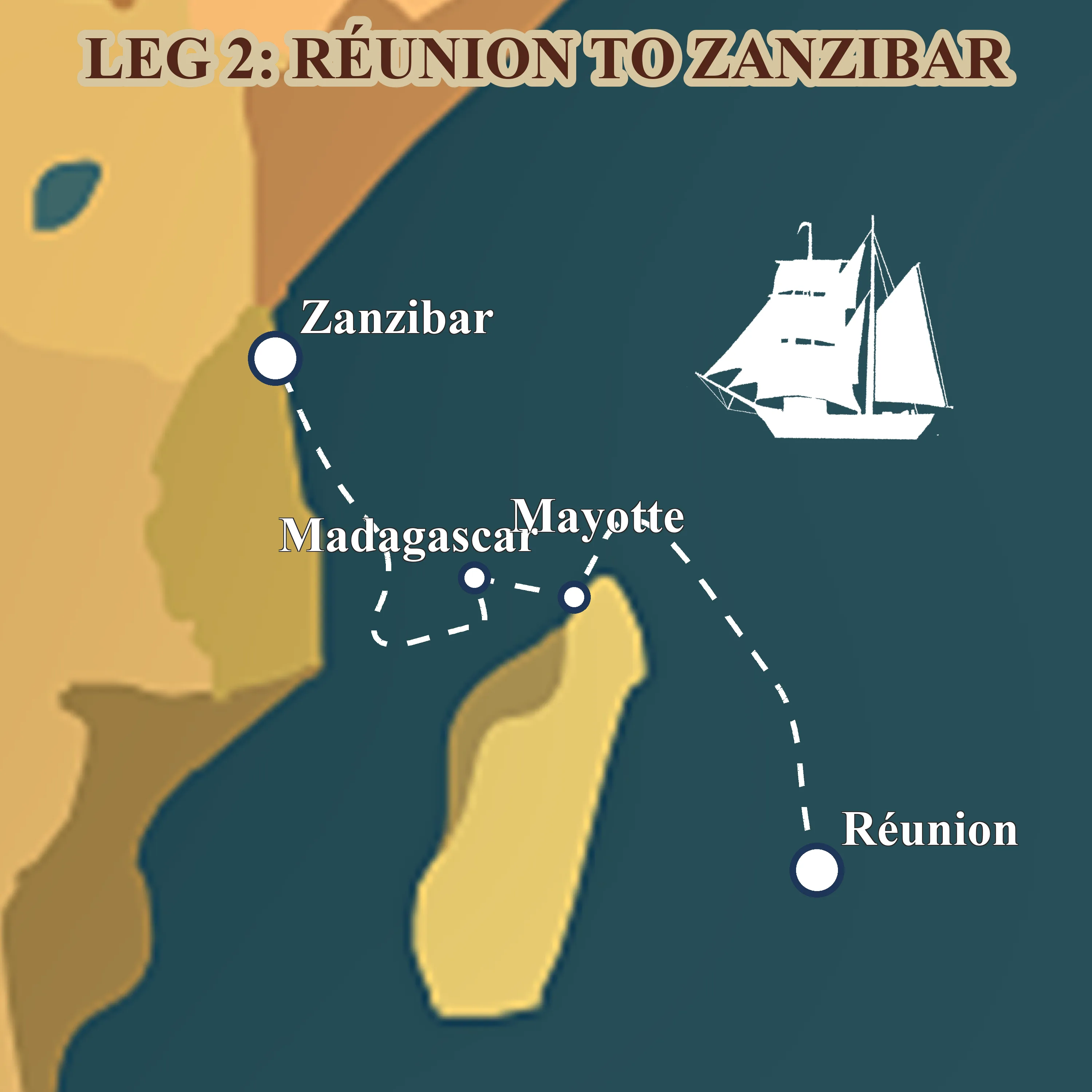
Leg 2: from Réunion to Zanzibar via Madagascar
Aug 2026 — Sept 2026 · Réunion, France → Zanzibar, Tanzania
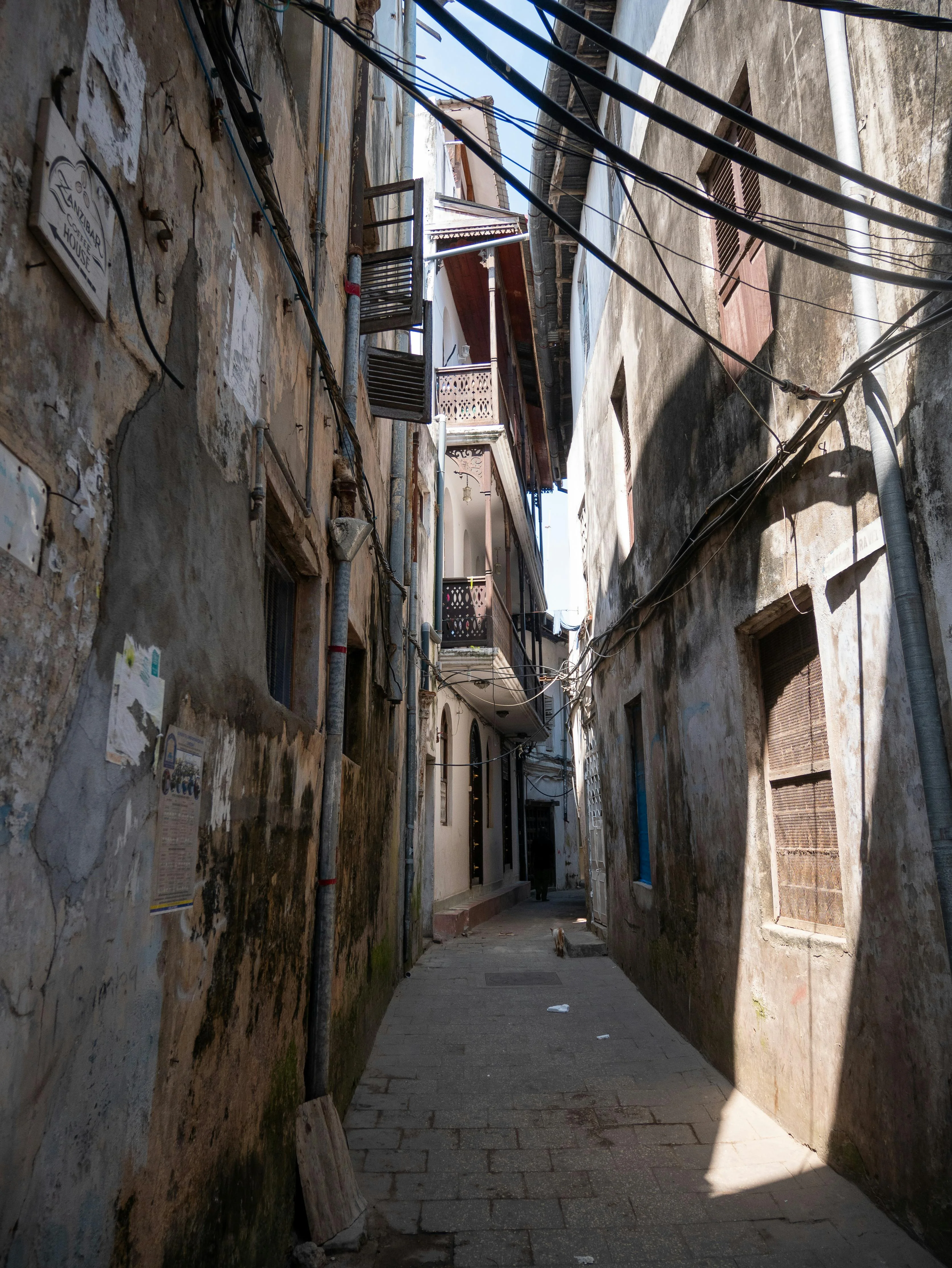
Forty days across the western Indian Ocean, volcanic Réunion, lemur-haunted Nosy Be, the Mozambique Channel, and the spice-scented stone alleys of Zanzibar.
Read more about this leg → about Leg 2: from Réunion to Zanzibar via Madagascar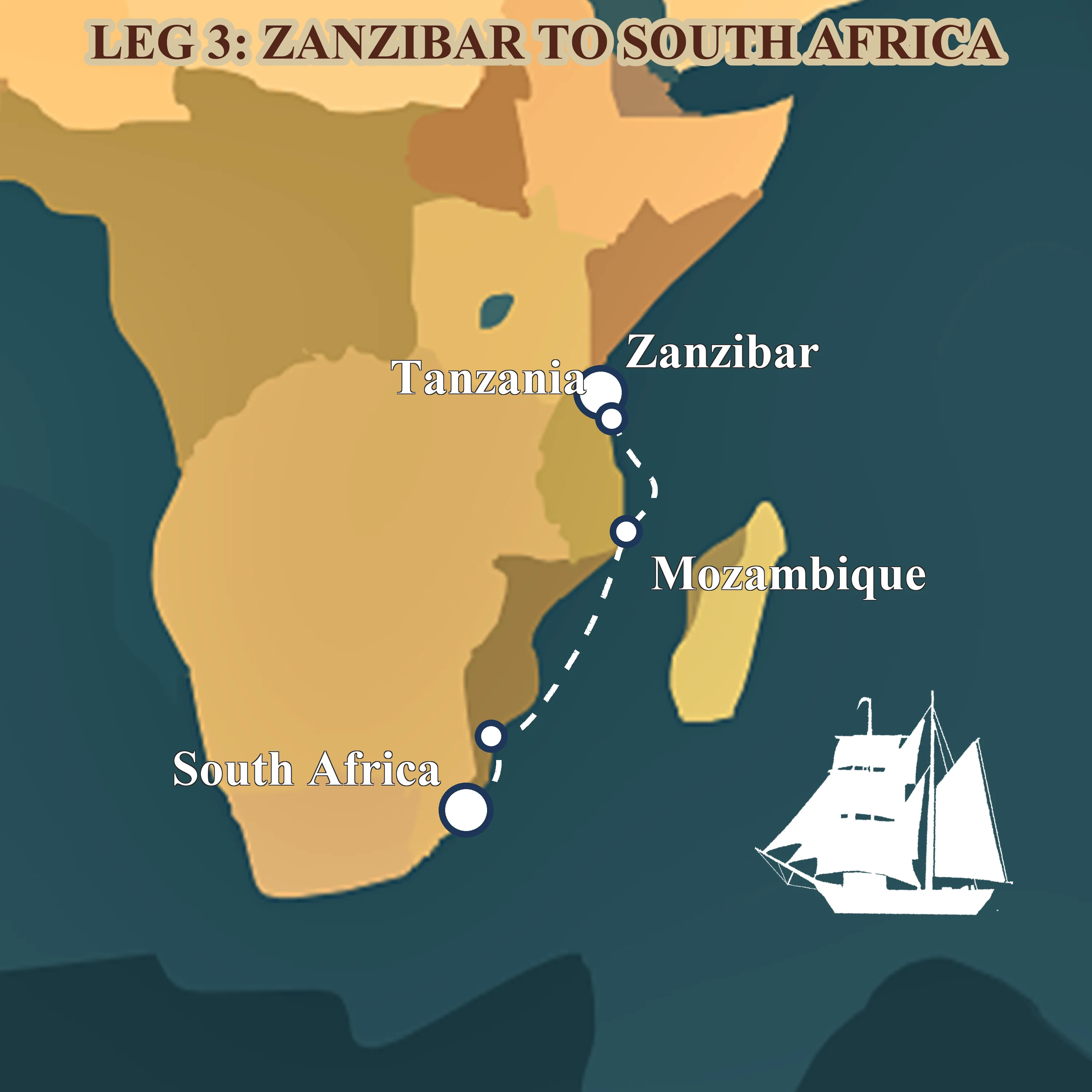
Leg 3: from Zanzibar to Durban down the Mozambique Channel
Sept 2026 — Nov 2026 · Zanzibar, Tanzania → Durban, South Africa
Sixty-three days coasting the African shore, spice islands, mangrove anchorages, Portuguese praças and the long trade-wind run down the Mozambique Channel to Durban.
Read more about this leg → about Leg 3: from Zanzibar to Durban down the Mozambique Channel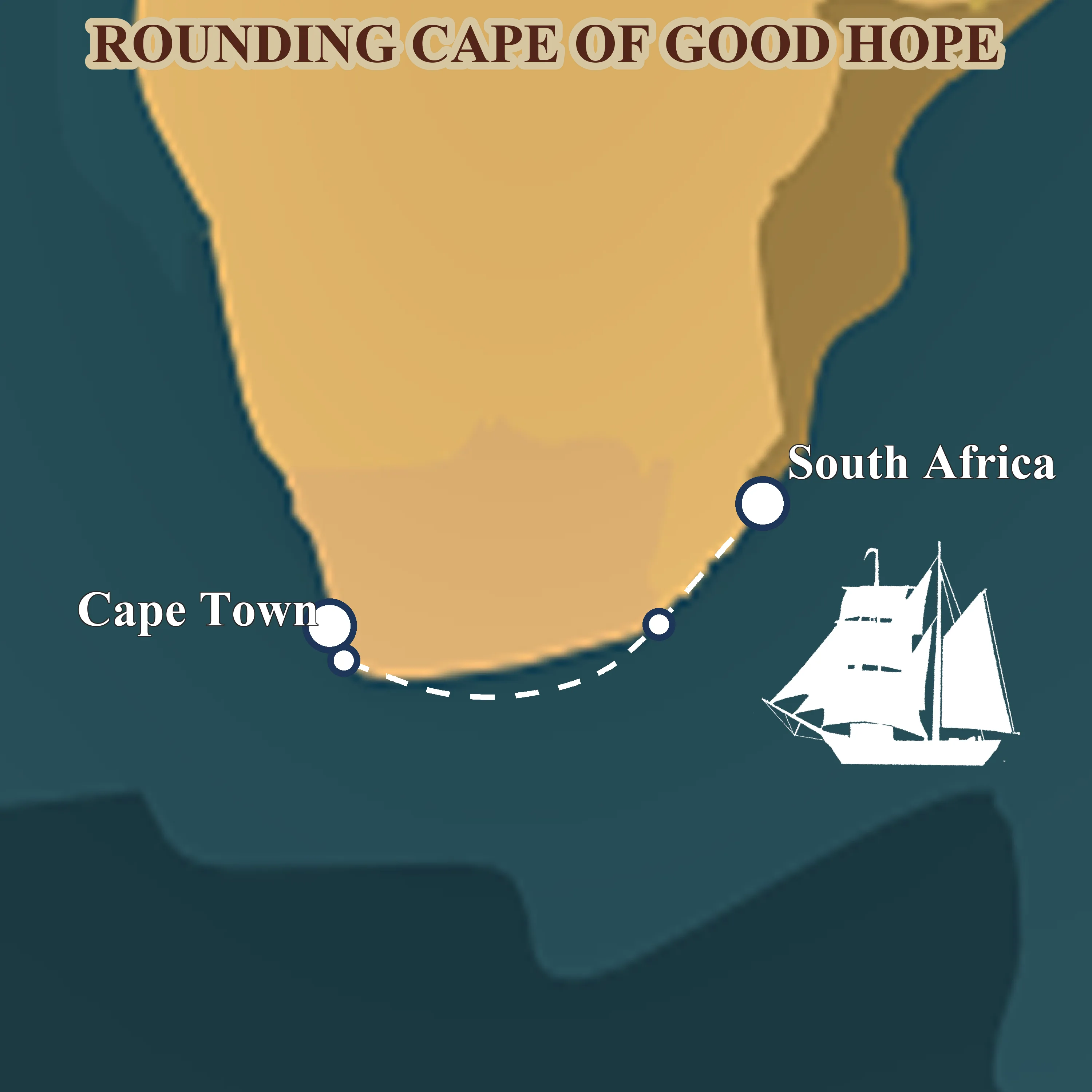
Leg 4: from Durban around the Cape of Good Hope
Nov 2026 — Dec 2026 · Durban, South Africa → Cape Town, South Africa
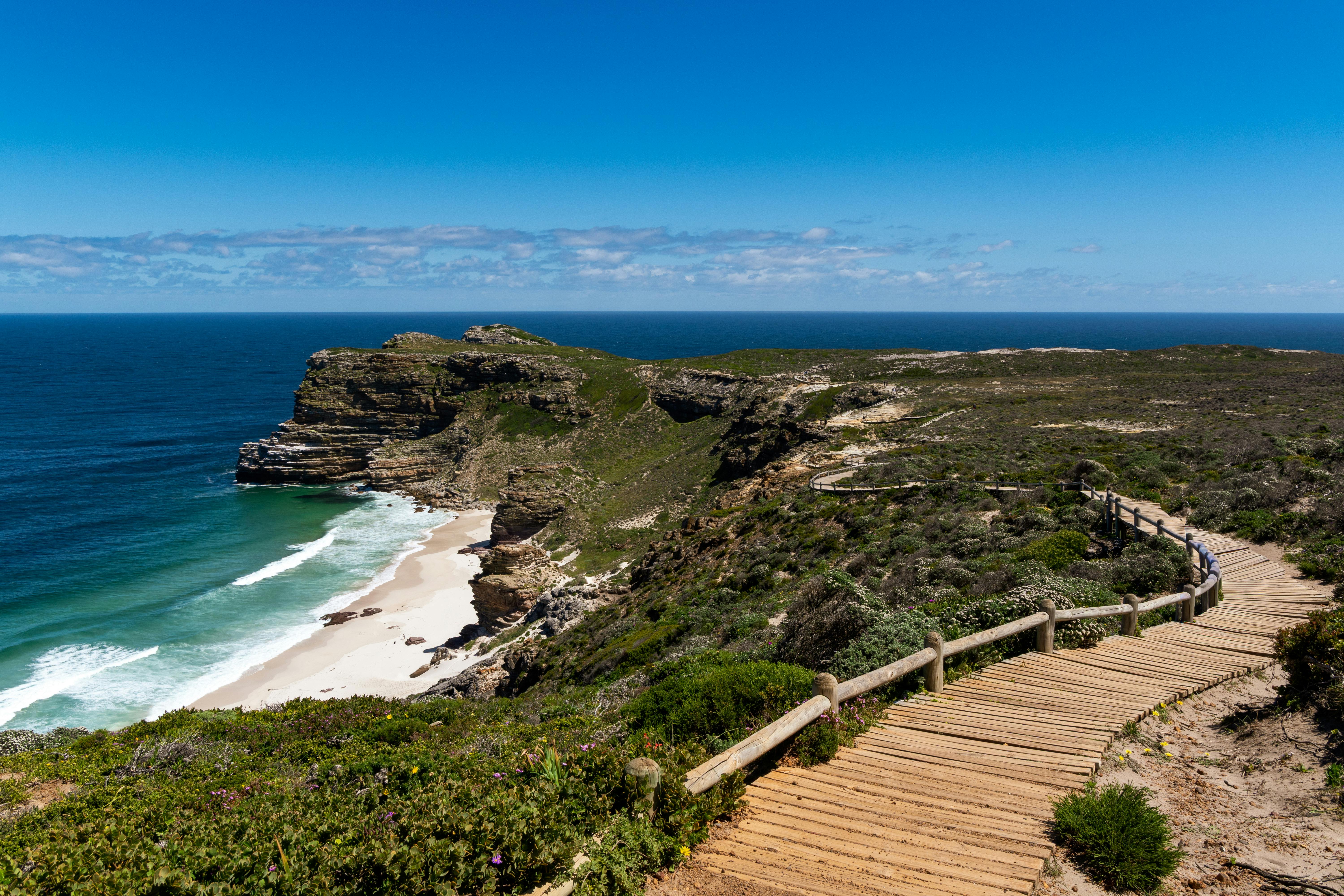
Thirty-eight days of serious seamanship, the Agulhas current, the Cape of Good Hope and the Southern Ocean at the tip of Africa, finishing quietly in Cape Town for Christmas.
Read more about this leg → about Leg 4: from Durban around the Cape of Good Hope10:00–12:00, sail trim, the plot, and the noon sight
Mid-morning
The noon sight, two plots, one position
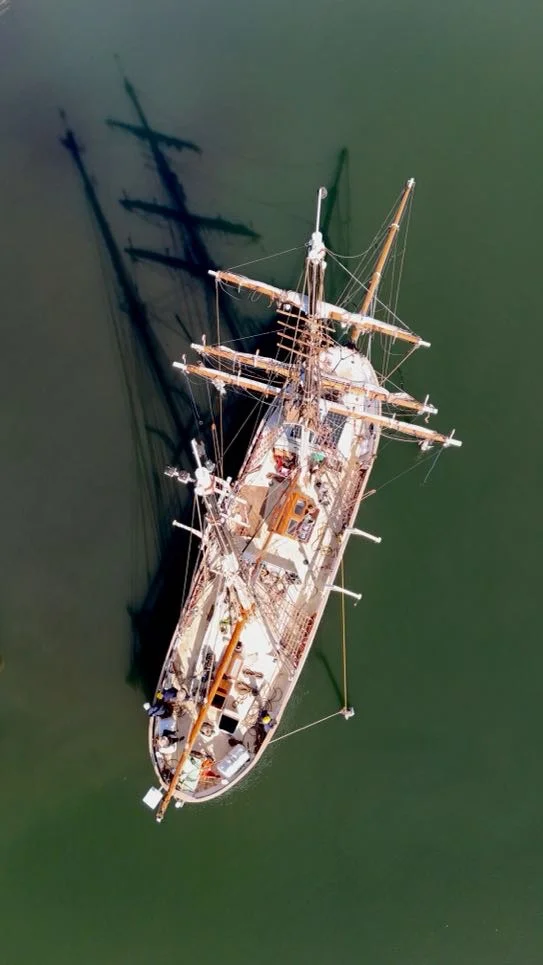
Mid-morning is when actual work happens on deck. Wind shifts; yards are braced; preventers are rigged; sheets eased; a staysail goes up as the course comes off. Below decks, the mate updates the DR plot, downloads a GRIB over satellite, and recalculates the ETA. Five minutes before local apparent noon the sextant comes out. Sun sights every thirty seconds, the highest one caught, latitude reduced from the noon altitude, a position line that intersects the morning's running fix. Neptun teaches celestial alongside GPS.
What "trimming the yards" actually means
On a square-rigger, the big rectangular sails are hung from horizontal spars called yards. As the wind direction shifts relative to the ship, the yards have to be rotated, braced, so the wind hits the sails at the right angle. It is a team job: one line controls each end of each yard, and a pull of 500-odd kilos is normal. There's a full piece in square sails explained if you want the mechanics. On deck, it means: four people on a brace, the mate calling the moment, and a sudden small jump in boat speed when the sail fills clean.
The noon sight is the oldest working routine on any ocean-going ship, and learning to take one is one of the reasons people come. For the full picture of celestial alongside GPS, see the companion article.
Want to learn this? See the sail-training programme.
12:00–16:00, the afternoon watch
The afternoon watch takes the hottest part of the day. Your four hours rotate through stations: an hour on the helm steering a compass course, an hour at the bow on lookout, two hours on standby and safety. Lunch is served around 12:30, a hot meal, both watches at the table, the off-going watch fed first so they can sleep.
Off-watch life in the afternoon is sleep for most people, at least in the first week. Later it becomes: a journal entry, a paperback finished, a gear repair, a rig climb with the mate if the weather holds. The afternoon is also when you first notice something a lot of trainees report, the moment you stop waiting for instructions and start anticipating the next sail change. That inflection is usually day four or five. It changes the rest of the voyage.

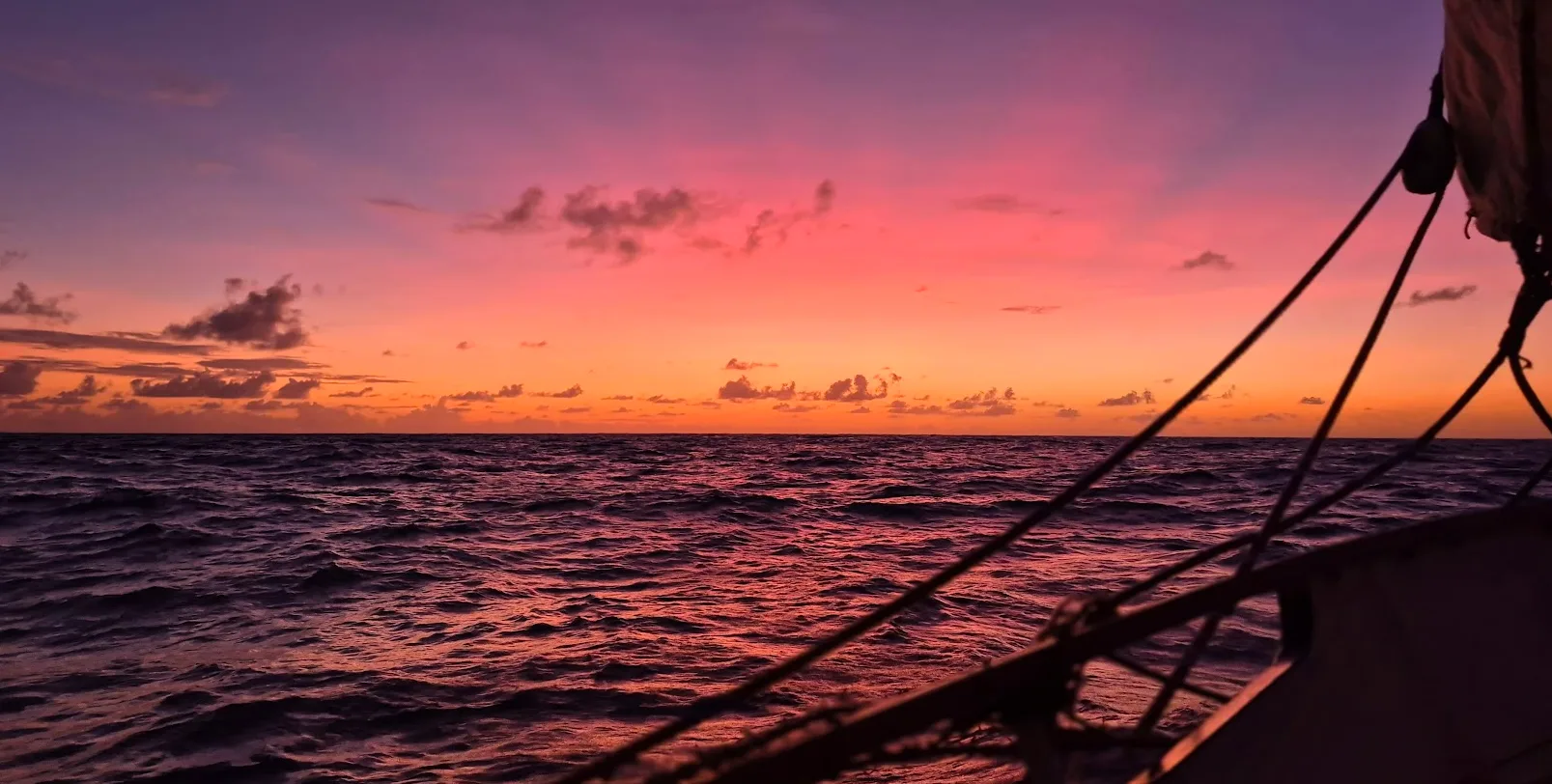
Dinner is at six; the sky does the rest.
16:00–20:00, the dog watch
This is the centrepiece of a day at sea. The four hours between 16:00 and 20:00 are split into two two-hour halves, first dog and last dog, and that split is the whole reason the watch rotation works. Without it, the same watch would always draw midnight–04:00; with it, the schedule shifts by one slot every day. The tradition is at least as old as the Royal Navy and is still carried by every sail-training vessel afloat.
The first dog, 16:00–18:00, is dinner-prep time. The cook pulls a hot meal together; the watch on deck handles the last sail change of daylight if weather is shifting. Dinner is served around 18:00 so both watches eat at a human hour.
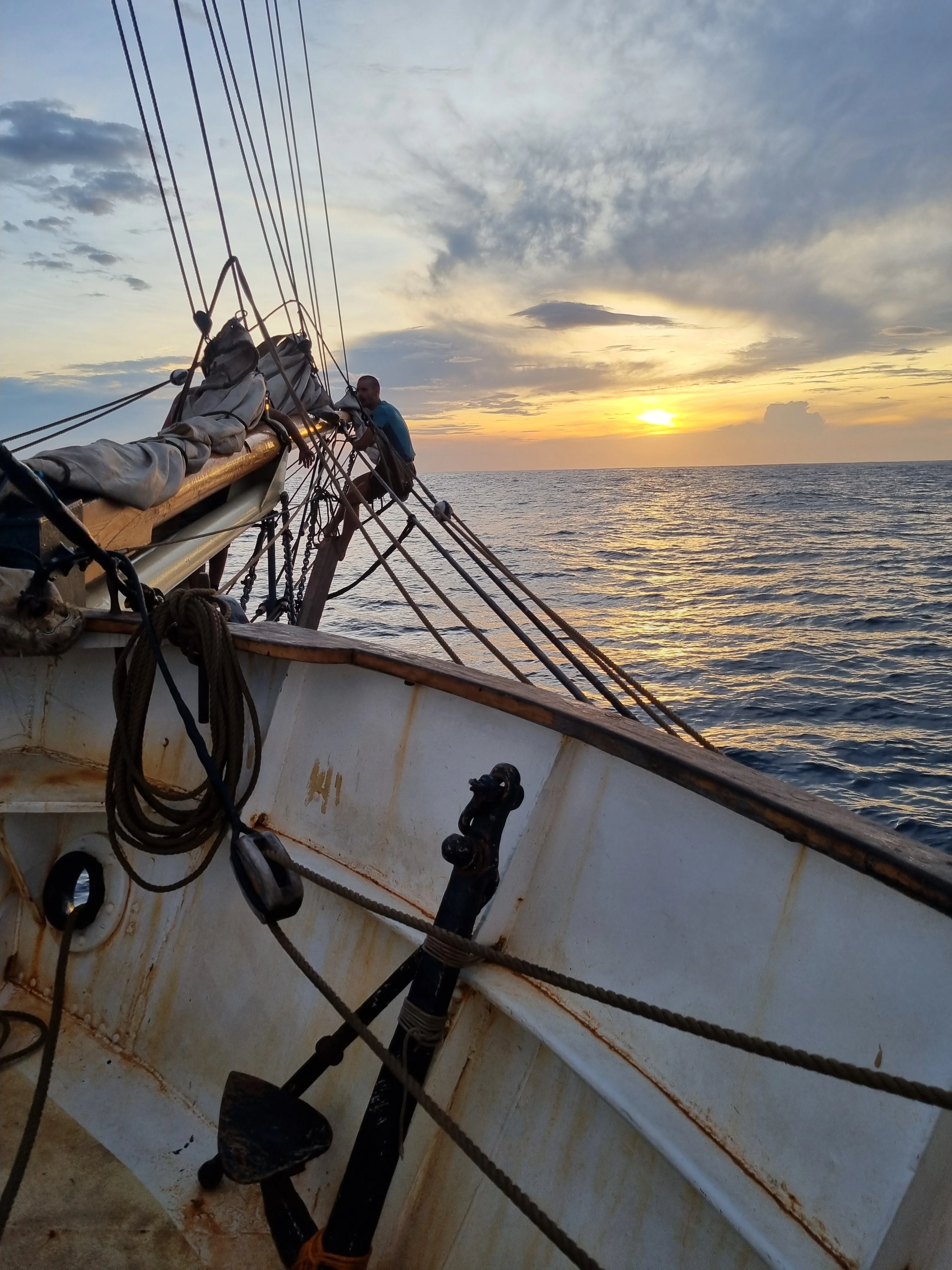
The last dog, 18:00–20:00, is the quietest block on deck. The sun sets; the wind often softens; the sea goes pink for ten minutes and then grey. This is when all hands drift on deck whether they are on watch or not, a guitar comes up, stories come out, smoko (tea and cake, traditionally) appears from the galley. It is the social hinge of the day. After five or six days at sea, the last dog is what you will remember as "the ship".
16:00, first dog begins
Watch change; dinner prep starts in the galley.
17:00, last sail change of daylight
Shake a reef, set a staysail, whatever the evening wants.
18:00, dinner on both watches
Hot meal together; the off-going watch eats first.
18:30, last dog begins
The quiet two hours. Sunset. Guitar on deck.
19:30, smoko
Tea and cake from the galley. The social hinge of the day.
20:00, first watch relieves
Night begins. Stars arrive in order of brightness.
See yourself in this rhythm? Join as crew on the 2026-2027 voyage.
20:00–04:00, the night watches and the sky
Night
The middle watch, flat water, full sky
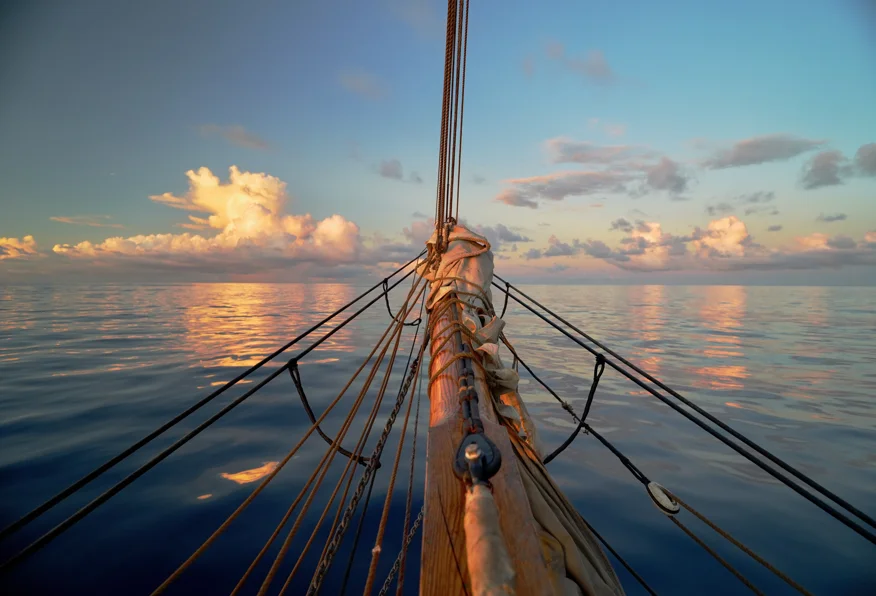
First watch runs 20:00 to midnight. Middle watch runs midnight to 04:00. The sail plan is reduced for the night, a conservative set that needs no attention for hours at a time. Lookout is by eye; the mate watches AIS and radar below. A cup of tea every hour. Conversations that go somewhere because there is nowhere else to go. In the tropics the Milky Way is so bright it throws shadows; bioluminescence in the wake; the Southern Cross on southern legs. The stakes are in the specifics, not the adjectives.
You can follow the ship yourself at any hour: track NEPTUN on AIS, position, heading, speed, updated whenever the satellite hears from us. For people with someone at sea, it is the one tab that stays open. For the curious, it is the most honest preview of what a day on a tall ship looks like from the outside.
The middle watch, midnight to 04:00, is the hard one. It is also the one most people end up loving. You are handed a ship steering itself under reduced canvas; you stand it for four hours with two or three other people; you hand it to the next watch and sleep a sleep you will remember for years.
If the ship is where you want to be, apply to join a leg.
How this differs from yacht cruising
If your frame of reference is a 45-foot cruising yacht, a tall ship works differently on four axes:
- Three watches instead of two. You sleep eight hours off, not four.
- Ten to fifteen trainees, not a couple. You are never alone on deck.
- A professional cook. Hot meals come out of a galley, not a microwave between naps.
- Sail handling is a team task. Bracing yards, sweating halyards, and striking square sails build the social life of the ship into the work itself.
For a structural deep-dive into how our watch system is organised, see the companion piece.
Tall ship vs. cruising yacht, at sea
Apply for a berth on the 2026-2027 voyage →
Common questions about life at sea
How many hours a day do you work on a tall ship?
Watches are four hours on, eight hours off, three times around the clock, eight hours of duty per 24, plus Happy Hour cleaning and meals. It leaves enough sleep if you use the off-watch.
What is the dog watch on a sailing ship?
A four-hour block between 16:00 and 20:00 split into two two-hour halves. Splitting it rotates the watch schedule so no single watch always draws the midnight shift.
When do you sleep on a tall ship?
In your eight-hour off-watch block. Most trainees split it, four hours after the watch, four more after the next meal. After two days you sleep through the ship noise.
What do you eat on a tall ship?
Three cooked meals a day from the ship's cook, plus smoko (tea and cake) each watch. Early weeks: fresh fruit, eggs, bread baked at night. Later: more tinned, dried and fermented. Dietary needs accommodated with notice.
Can you shower on a tall ship?
Yes, short fresh-water showers, usually every other day on an ocean passage. Water comes from a watermaker but is budgeted carefully. You adapt faster than you expect.
Is it boring being at sea for weeks?
Very rarely. Watches structure the day; meals and the dog watch structure the evening; sail changes, weather, wildlife and navigation fill the gaps. Most trainees describe the pace as full, but not hurried.
Pick a leg and walk through a day of it
Nine legs across 2026 and 2027. Each one, a variation on the same 24 hours.
Leg 1: from Bali to Réunion across the Indian Ocean
May 2026 — Aug 2026 · Bali, Indonesia → Réunion, France
The opening chapter of Neptun's 482-day world voyage, a 4,078-nm trade-wind passage from the temples of Bali to the volcanic cliffs of Réunion.
Read more about this leg → about Leg 1: from Bali to Réunion across the Indian OceanLeg 2: from Réunion to Zanzibar via Madagascar
Aug 2026 — Sept 2026 · Réunion, France → Zanzibar, Tanzania
Forty days across the western Indian Ocean, volcanic Réunion, lemur-haunted Nosy Be, the Mozambique Channel, and the spice-scented stone alleys of Zanzibar.
Read more about this leg → about Leg 2: from Réunion to Zanzibar via MadagascarLeg 3: from Zanzibar to Durban down the Mozambique Channel
Sept 2026 — Nov 2026 · Zanzibar, Tanzania → Durban, South Africa
Sixty-three days coasting the African shore, spice islands, mangrove anchorages, Portuguese praças and the long trade-wind run down the Mozambique Channel to Durban.
Read more about this leg → about Leg 3: from Zanzibar to Durban down the Mozambique ChannelLeg 4: from Durban around the Cape of Good Hope
Nov 2026 — Dec 2026 · Durban, South Africa → Cape Town, South Africa
Thirty-eight days of serious seamanship, the Agulhas current, the Cape of Good Hope and the Southern Ocean at the tip of Africa, finishing quietly in Cape Town for Christmas.
Read more about this leg → about Leg 4: from Durban around the Cape of Good Hope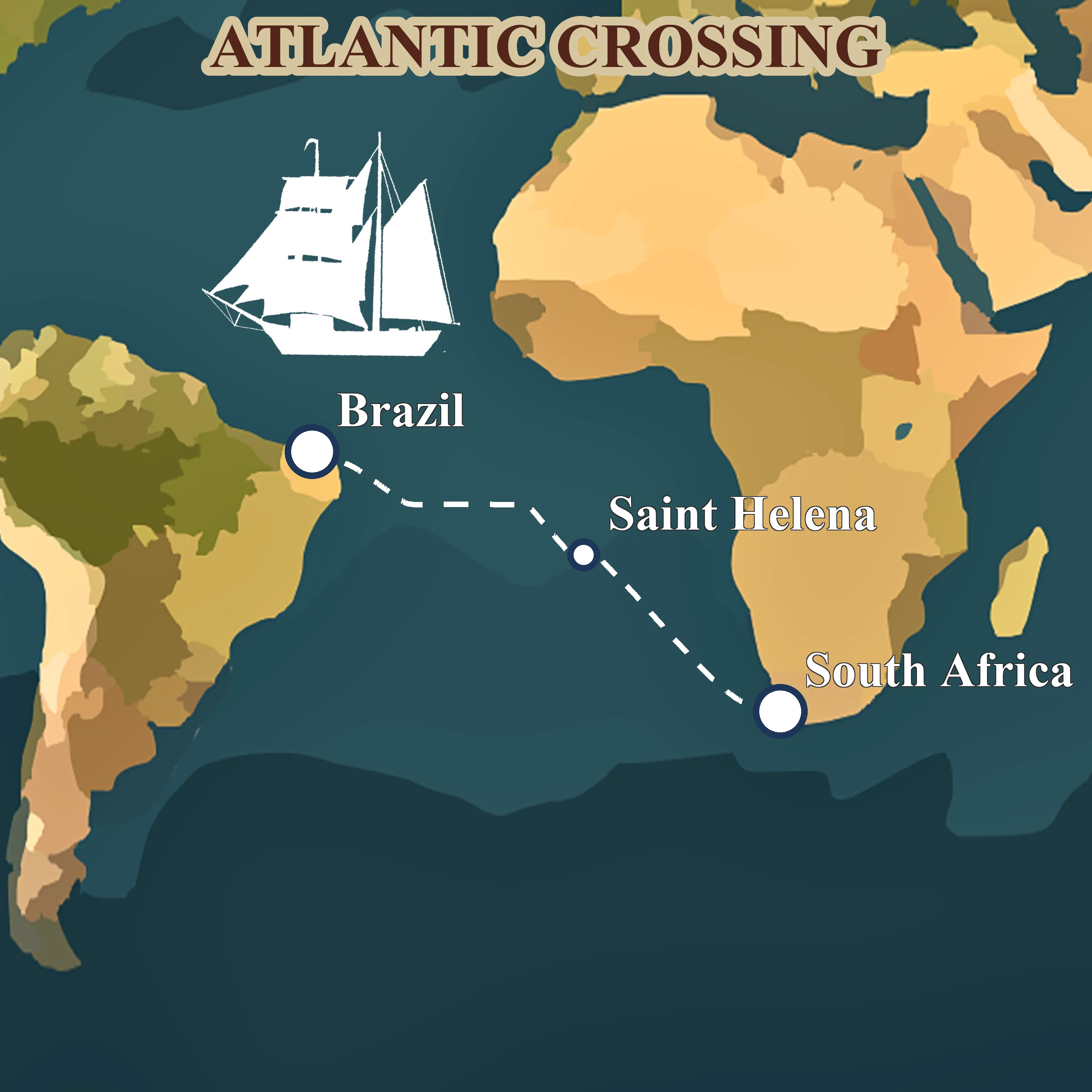
Leg 5: across the South Atlantic from Saldanha to Fortaleza
Jan 2027 — Mar 2027 · Saldanha Bay, South Africa → Fortaleza, Brazil
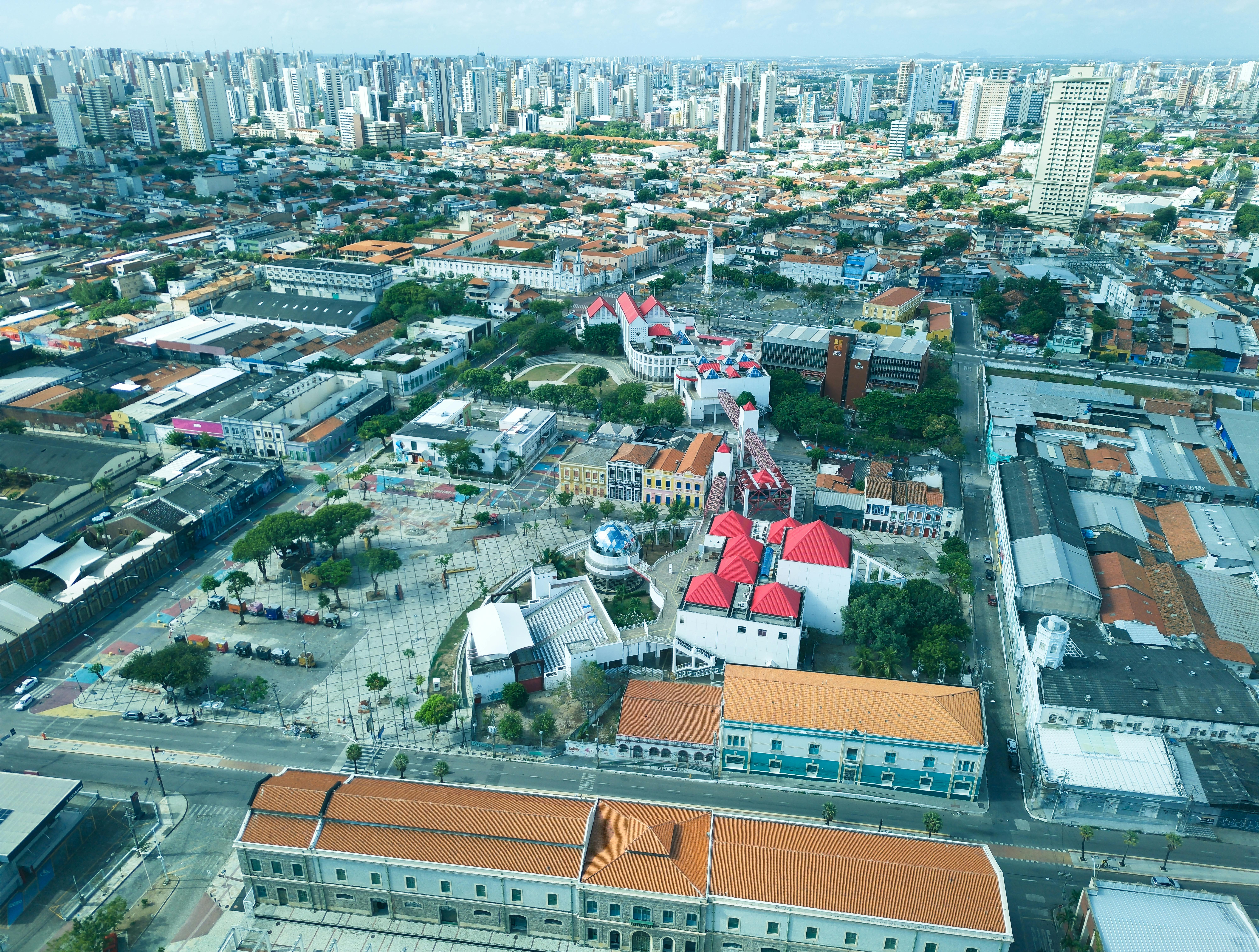
Forty-four days before the southeast trades, Napoleon's exile at St. Helena, the equator crossing, and landfall in tropical Brazil. The ocean chapter of the voyage.
Read more about this leg → about Leg 5: across the South Atlantic from Saldanha to Fortaleza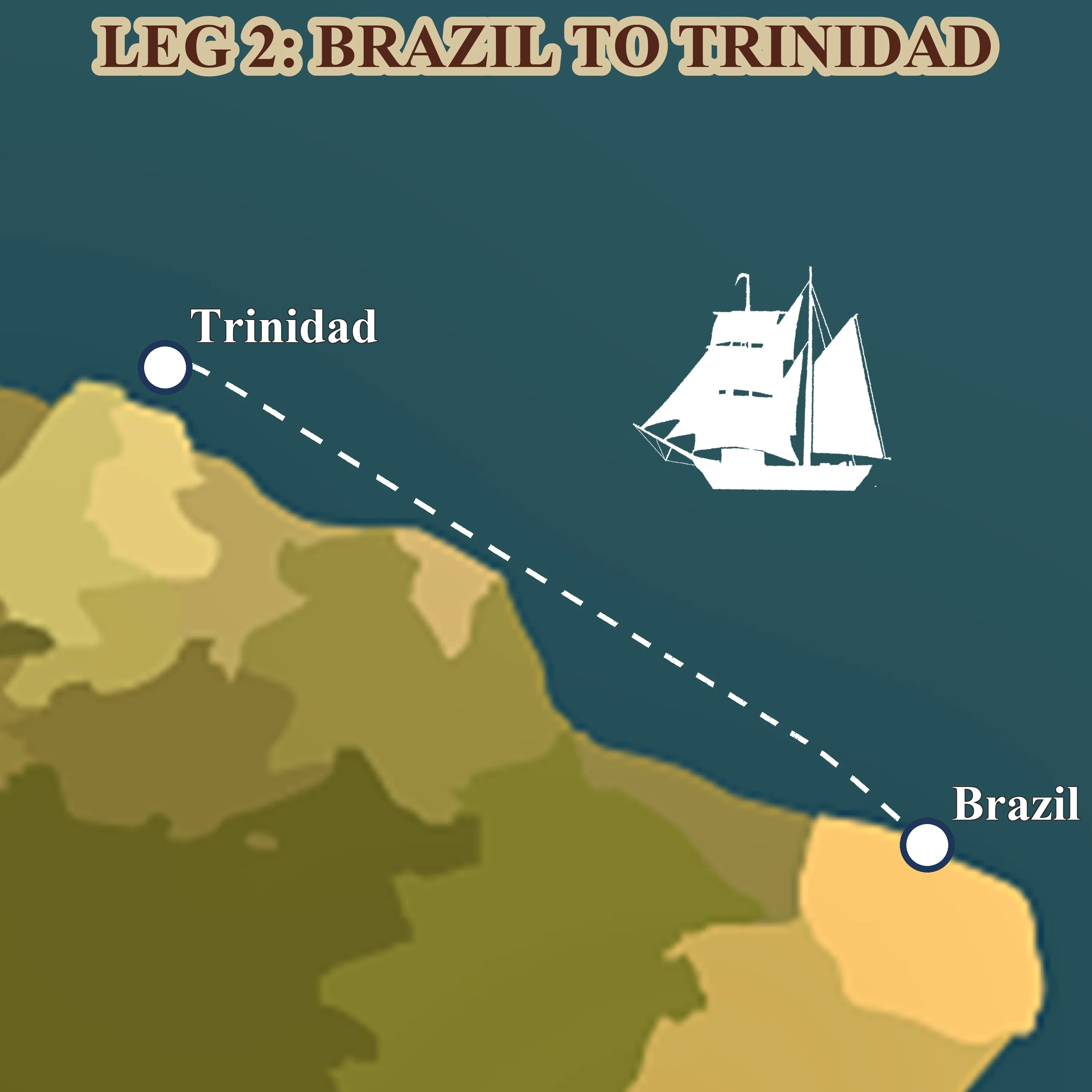
Leg 6: from Fortaleza to Trinidad along South America
Mar 2027 — Apr 2027 · Fortaleza, Brazil → Trinidad
A thousand miles of downwind trade running, the Amazon's brown water under the hull, the Guianas smudged on the horizon, and Trinidad's steelpan waiting at the end.
Read more about this leg → about Leg 6: from Fortaleza to Trinidad along South America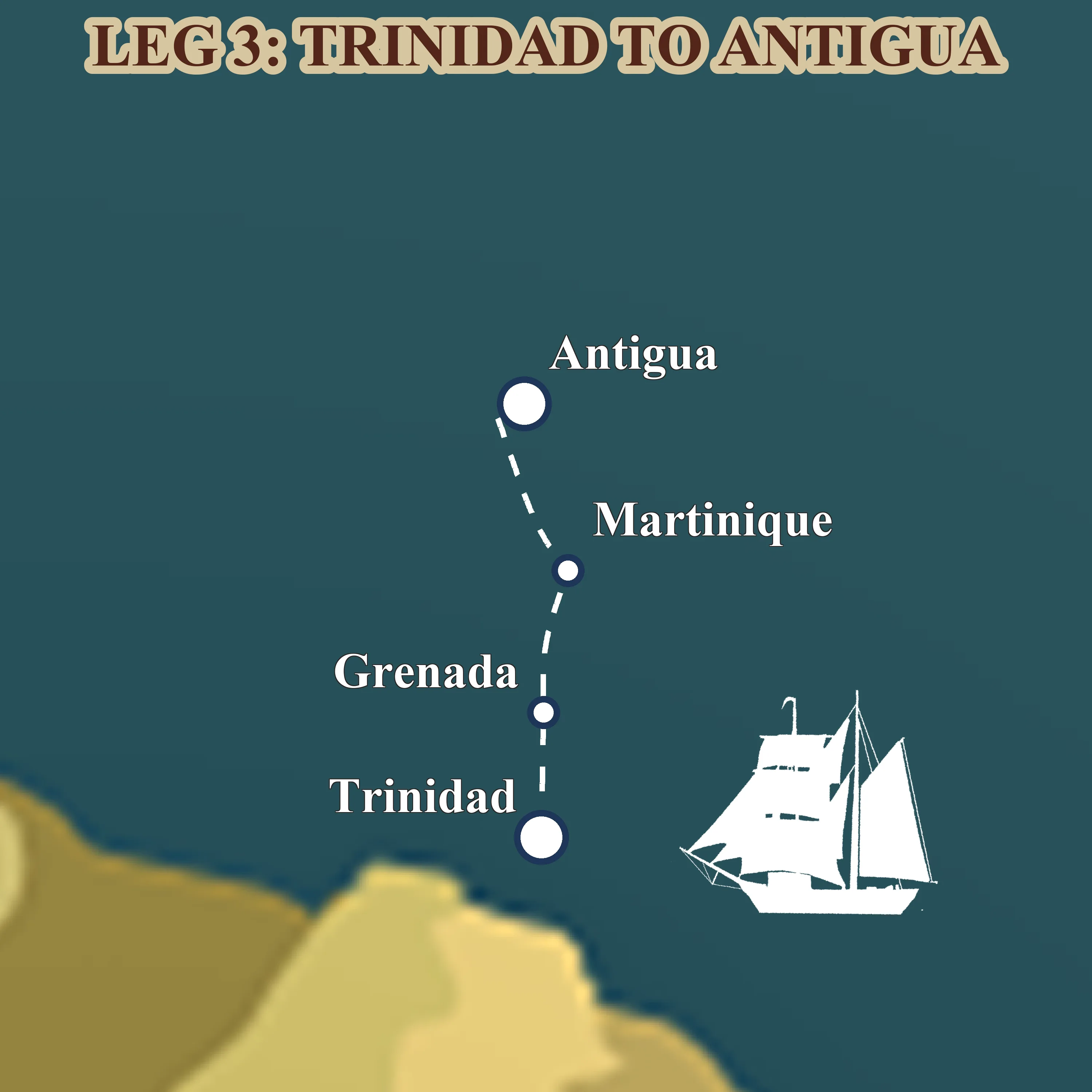
Leg 7: through the Windward Islands from Trinidad to Antigua
Apr 2027 — May 2027 · Trinidad → Antigua
Four weeks of short trade-wind daysails through the Lesser Antilles, turquoise anchorages, rum shops on the sand, French-Creole Martinique and the tall-ship scene in Antigua.
Read more about this leg → about Leg 7: through the Windward Islands from Trinidad to Antigua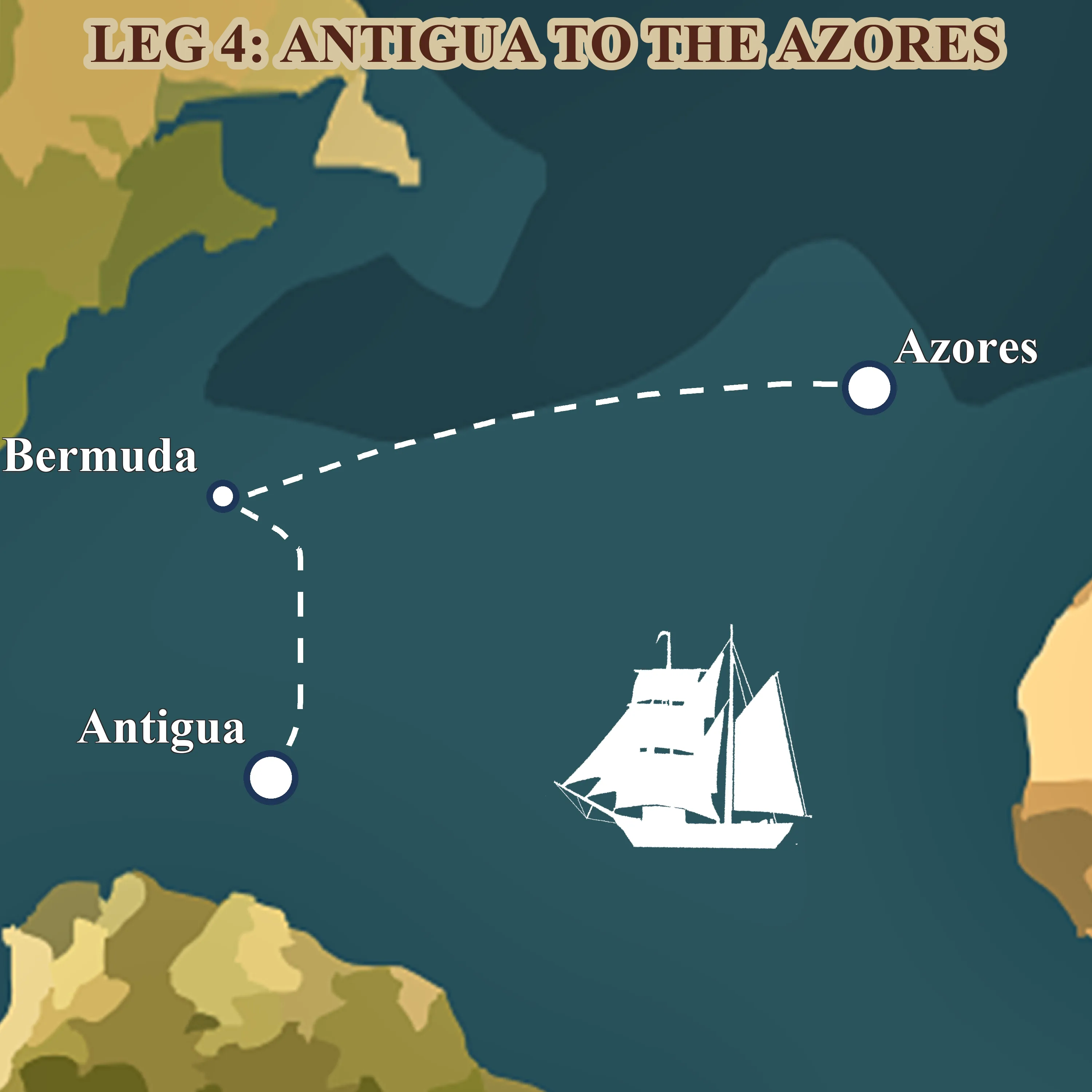
Leg 8: across the North Atlantic from Antigua to the Azores
May 2027 — Jul 2027 · Antigua → Ponta Delgada, Azores
Fifty-six days on the classic spring tall-ship route home, Antigua, a long reach to Bermuda's pink sand, then three weeks of open ocean to the volcanic Azores.
Read more about this leg → about Leg 8: across the North Atlantic from Antigua to the Azores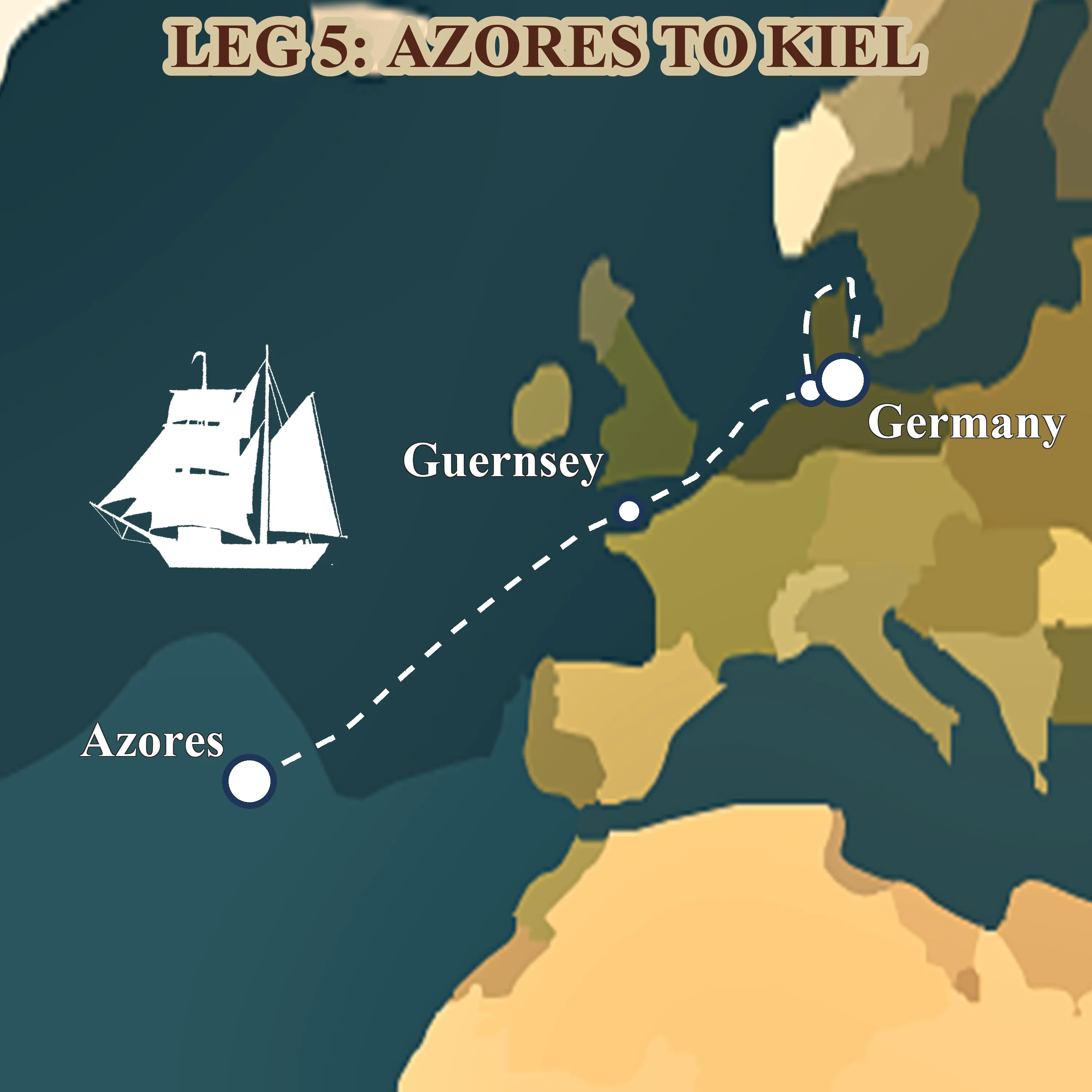
Leg 9: homecoming from the Azores to Kiel
Jul 2027 — Aug 2027 · Ponta Delgada, Azores → Kiel, Germany
The final 1,878 nm, from volcanic São Miguel to the Baltic, up the English Channel through the Dover TSS, past Helgoland's red cliffs and home to Kiel.
Read more about this leg → about Leg 9: homecoming from the Azores to KielRead also
- Square sails explained, how a brigantine actually pulls
- Life onboard, what the programme actually includes
- The 2026 world voyage, nine legs, one ship
- How to join a tall ship crew
- Apply for a berth on the 2026 voyage
Want to sail with us?
Brigantine NEPTUN is a non-profit training ship, every voyage takes 10 crew members through real ocean sailing, no experience needed.